Charleston, South Carolina
Charleston does not hurry. The city that calls itself the Holy City — for the steeples that have defined its skyline since the seventeenth century — operates at a pace that is not laziness but choice. The antebellum architecture on the Battery is genuinely extraordinary, the shrimp and grits have been getting better for thirty years, and the light in late afternoon is amber.
Two days here rewards the traveler who moves slowly enough to let the city come to them — the solo traveler, especially, will find Charleston opens quickly and warmly. Bar and restaurant staff throughout the city are accustomed to single diners, and the compact, walkable historic core means most of what you came for is within a square mile.
Your 48 Hours
| Day One — The Battery · Rainbow Row · The Market | |
| 8:30 AM | The Battery & White Point Garden The southernmost tip of the peninsula, where the Ashley and Cooper Rivers meet the harbor — antebellum mansions on one side, harbor views on the other. Best before 9am when the light is soft and the streets are quiet. |
| 9:30 AM | Rainbow Row Thirteen Georgian row houses painted in pastel colors, built 1740–1760, and Charleston's most photographed streetscape. The row faces east and catches the morning light directly — best photographed before 10am. |
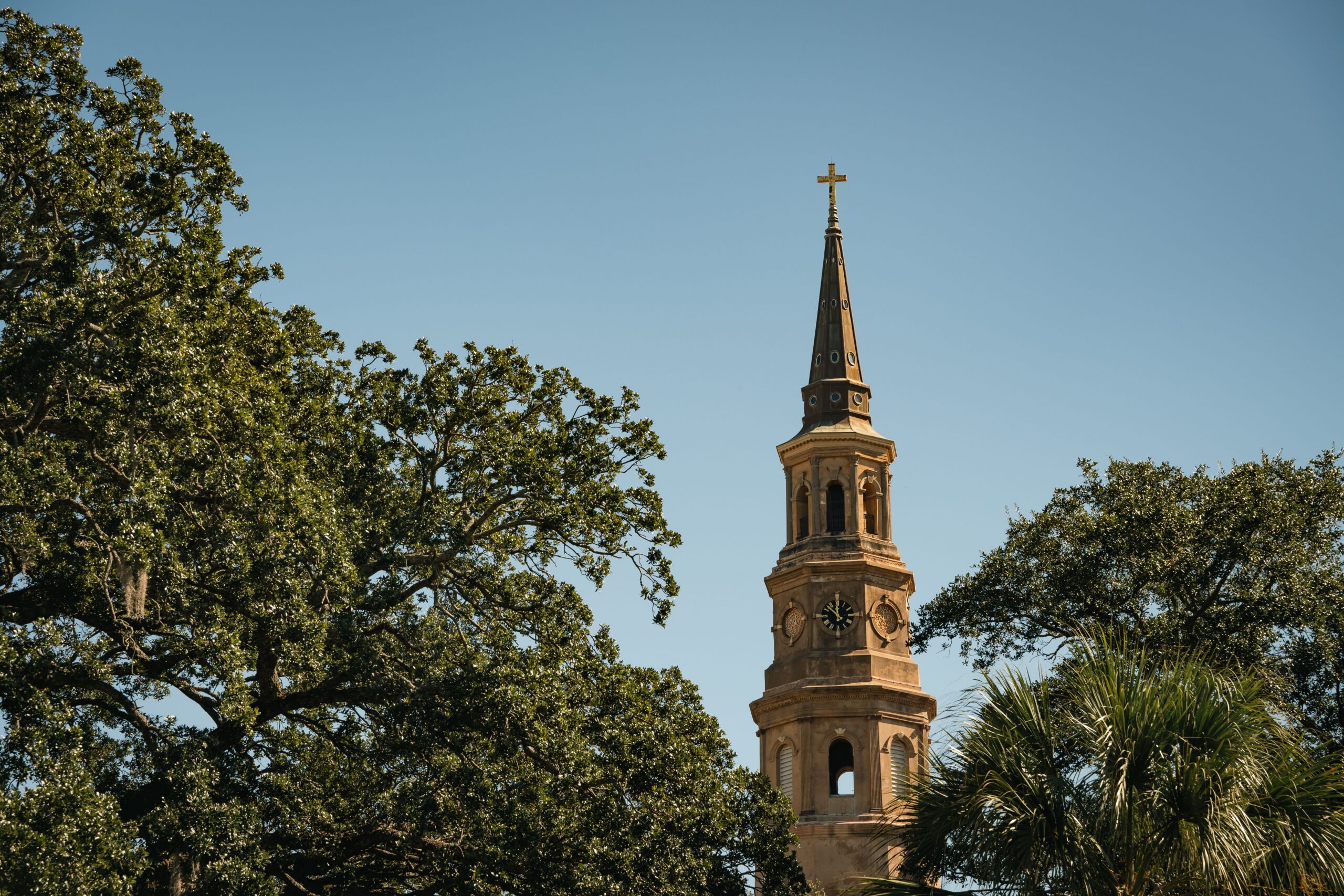
| 10:30 AM | Church Street & St. Philip's The oldest part of Charleston's street grid, laid out in the 1690s — St. Philip's Episcopal Church and the Dock Street Theatre, America's first purpose-built theater. St. Philip's churchyard holds the graves of John C. Calhoun and Edward Rutledge, a signer of the Declaration of Independence. |
| 12:00 PM | City Market Operating continuously since 1788 — sweetgrass basket weavers maintain a UNESCO-recognized craft tradition brought by enslaved West Africans. Watch how a basket is made before you buy — the weavers are almost exclusively Gullah Geechee women. |
| 1:00 PM | Lunch: 167 Raw or The Ordinary 167 Raw on East Bay for the finest oysters and lobster roll in Charleston, or The Ordinary in a converted bank building on King Street. |
| 2:30 PM | King Street Charleston's main commercial artery in three segments — Lower King for antiques, Middle King for boutiques, Upper King for the city's best food and drink. |
| 4:30 PM | Waterfront Park & The Harbor A linear park along the Cooper River with the Pineapple Fountain and the best mainland view of Fort Sumter. Fort Sumter is accessible by ferry from adjacent Liberty Square — allow three hours round trip. |
| 7:00 PM | Dinner & Evening Carriage Tour FIG for the finest farm-to-table cooking in Charleston, or Husk for the full Sean Brock tasting experience. Both require reservations weeks ahead. The evening carriage tours (last departure around 9pm) cover the same streets in better light with fewer tourists. |
| 9:30 PM | Late Night on Upper King The Gin Joint for serious cocktails with a Southern herb garden, or The Cocktail Club for one of the city's most thoughtful bar programs. |
| Day Two — Plantations · Gibbes Museum · Aiken-Rhett House | |
| 9:00 AM | Middleton Place or Magnolia Plantation Two of the finest historic plantation gardens in America, 15 minutes by rideshare. Middleton has the oldest landscaped gardens in the country. Middleton's Eliza's House exhibit makes the site a more complete and honest visit than a purely horticultural one. |
| 11:30 AM | McLeod Plantation Historic Site A former Sea Island cotton plantation on James Island focused honestly on the enslaved people who lived and worked here. Free admission. One of the most important historical sites in the region that most visitors never see. |
| 1:00 PM | Lunch: Leon's Oyster Shop or Butcher and Bee Leon's for the finest fried chicken and oysters in Charleston, eaten at the counter with a cold beer. |
| 2:30 PM | Gibbes Museum of Art Charleston's principal fine art museum, with the most complete collection of American portraiture in the South, documenting the city from the colonial era forward. |
| 4:30 PM | The Aiken-Rhett House The most intact antebellum urban complex in the US, preserved rather than restored — the main house, slave quarters, and kitchen exactly as the family left them. The peeling paint and bare plaster are intentional — one of the most historically honest sites in the American South. |
| 7:00 PM | Final Dinner Husk if you haven't been, The Ordinary for a final oyster dinner, or Edmund's Oast — the best restaurant in Charleston the tourist circuit overlooks. Edmund's Oast's brick warehouse room is one of the most comfortable spaces in the city for a solo dinner at the bar. |
Charleston's Table
Is Charleston Safe?
Charleston's historic peninsula is a beautiful, visitor-friendly area with a low crime rate. There's a sharp divide between tourist zones and residential neighborhoods — stay within the historic district, French Quarter, and King Street corridor and it's completely comfortable. The rule locals use: south of Calhoun Street, you're in safe territory for solo exploration.
| Area | Rating | Notes |
|---|---|---|
| Historic District / South of Broad | ★★★★★ | Very safe — the heart of Charleston. |
| French Quarter | ★★★★★ | Pedestrian-friendly, well-lit, safe. |
| Upper King Street | ★★★★ | Lively bar and restaurant strip. Safe. |
| Cannonborough-Elliotborough | ★★★★ | Residential, gentrifying. Safe by day. |
| Hampton Park / North Central | ★★★ | Transitional — use caution at night. |
| North Charleston | ★★ | Not part of this itinerary — avoid unless you have a specific reason. |
When to Visit
Navigating Charleston
| Walking | Free | The Historic District is compact, flat, and dense — most sights within easy reach. |
| DASH Trolley | Free | Free downtown loop, great for visitors. |
| Carriage Tours | ~$30 | Evening departures have better light and fewer tourists than morning tours. |
| Rideshare | Varies | Essential for plantation visits — Middleton and Magnolia are 15 minutes out. |
| CARTA Bus | Limited | Covers the main visitor areas. |