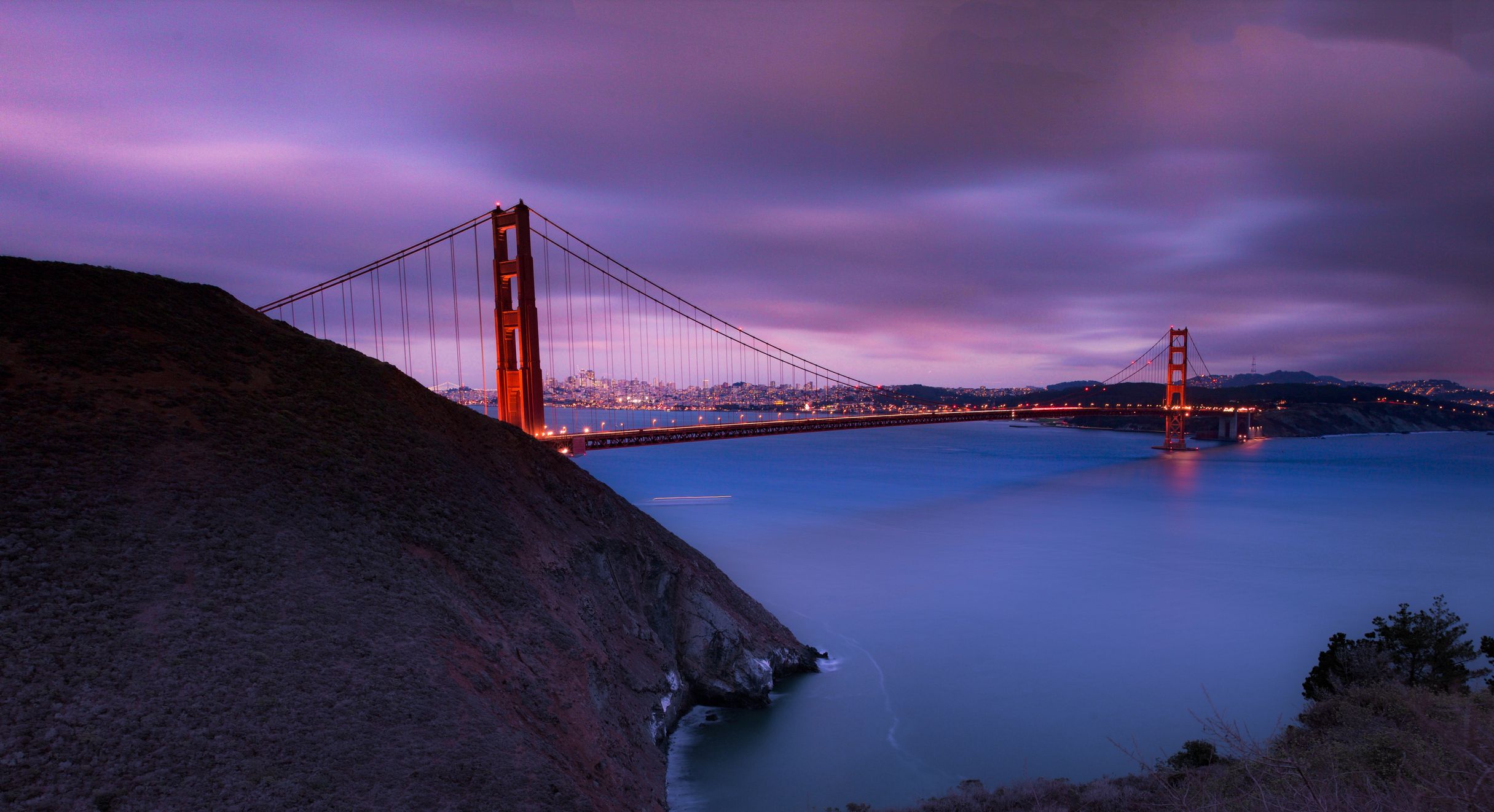
San Francisco, California
San Francisco occupies 49 square miles at the tip of a peninsula and contains more neighborhoods with distinct identities than cities ten times its size. The geography explains most of it: the hills that isolate one district from the next, the fog that arrives by noon in the Sunset and burns off by afternoon in the Mission, the bay that frames every view east and north.
The city was rebuilt after 1906 on a grid that ignored the topography, which is why walking it requires genuine effort and rewards it in equal measure. The Ferry Building farmers market, the Mission taquerias, the Japanese Tea Garden in Golden Gate Park, the view from the Marin Headlands — none of these is more than 45 minutes from any other by transit.
San Francisco rewards the solo traveler who moves slowly between neighborhoods, who takes the N-Judah to the ocean and walks back through the park, who eats a burrito at a counter in the Mission at noon and a tasting menu in Hayes Valley at eight.
Your 48 Hours in San Francisco
| Day One — Ferry Building · North Beach · Mission District · Hayes Valley | |
| 7:30 AM | Ferry Building & Farmers Market The 1898 Beaux-Arts ferry terminal is now SF's finest food market — Cowgirl Creamery, Blue Bottle Coffee, Acme Bread, Hog Island Oyster. The Saturday farmers market (7am–2pm) is the best in California. Saturday before 9am — coffee, oysters, bread — is one of the finest solo travel mornings in any American city. |
| 9:30 AM | North Beach & City Lights Bookstore San Francisco's Italian-American neighborhood and birthplace of the Beat Generation. City Lights Bookstore (261 Columbus Ave) published Ginsberg's Howl in 1953. Then walk to Coit Tower — the 1930s murals inside are extraordinary and the view is the best of Telegraph Hill and the bay. |
| 12:30 PM | Mission District: Dolores Park & 24th Street Take BART one stop to 16th Street Mission. Dolores Park is the neighborhood's living room. Walk south on 24th Street for the best burrito debate in the city. La Taqueria (2889 Mission St) for the purist version. El Farolito (2779 Mission St) for the traditional style — has been called the best burrito in America. |
| 4:30 PM | Haight-Ashbury & Cole Valley Haight Street from Stanyan to Masonic — the 1967 Summer of Love corridor, still genuinely distinct, with vintage stores and record shops that have resisted chain retail. |
| 7:00 PM | Dinner: Zuni Cafe San Francisco's most enduring restaurant — wood-fired oven, long copper bar. The solo diner at the bar gets the full menu and the best seat in the room. $65–85. 1658 Market Street. After dinner: Smuggler's Cove (650 Gough St) — the finest tiki bar in the US. Order the Jet Pilot. Go on a weeknight. |
| Day Two — Golden Gate Bridge · Marin Headlands · de Young Museum · Castro | |
| 7:00 AM | Golden Gate Bridge Walk Walk the bridge from the SF side to the Marin side — 1.7 miles each way, open daily from 5am. Dress for 15 degrees colder than you expect. Visit Fort Point first — the best low-angle view of the bridge's span. Hitchcock filmed Vertigo here. |
| 9:30 AM | Marin Headlands The 2,000-acre national park directly north of the bridge. Battery Spencer viewpoint is the most-photographed bridge view in existence. Return by Sausalito ferry ($15, 30 min) to the Ferry Building. The ferry approach to the Ferry Building matches what arriving passengers saw in the 1940s. |
| 1:30 PM | de Young Museum & Golden Gate Park SF's primary fine arts museum — strongest in American art and African/Oceanic art. Free observation tower with a 360° view. $30. The adjacent Japanese Tea Garden ($13) opened in 1894. The Japanese Tea Garden is best in late afternoon when tour groups have thinned. |
| 3:30 PM | The Castro San Francisco's historic LGBTQ+ neighborhood and one of the most socially significant urban communities in American history. The Castro Theatre (1922) is the city's most architecturally distinguished movie house. |
| 6:30 PM | Dinner: Tartine Manufactory or Rich Table Tartine Manufactory (Mission) — the bread that made SF's food culture legible, counter seats, $45–65. Or Rich Table (Hayes Valley) — seasonal California cuisine, bar seats, $75–95. |
San Francisco's Table
Is San Francisco Safe?
| Area | Rating | Notes |
|---|---|---|
| Embarcadero / Ferry Building | ★★★★★ | Well-managed waterfront. Active and safe at all hours during operating times. |
| North Beach | ★★★★★ | Safe residential and commercial neighborhood. Columbus Ave active and comfortable. |
| Hayes Valley | ★★★★★ | The city's most comfortable evening neighborhood. |
| Castro | ★★★★★ | Well-managed, active community. Safe and welcoming at all hours. |
| Mission District (16th–24th) | ★★★★ | Safe during restaurant hours. 16th Street BART plaza requires awareness. |
| Tenderloin / SoMa | ★★ | Not part of this itinerary. Route around via Union Square or Market Street. |
Key risk — property crime: Car break-ins and phone snatching are San Francisco's primary visitor risk. Do not leave anything visible in parked vehicles. Keep your phone inside a jacket pocket when walking; do not use it visibly while standing on a corner. Solo Women: The Ferry Building, North Beach, Hayes Valley, and the Castro are all welcoming and safe. Walk directly from 16th Street BART to your destination — do not linger at the station plaza.
When to Visit San Francisco
Navigating San Francisco
San Francisco is a walking-and-transit city. BART connects downtown, the Mission, and the airport; Muni buses and streetcars cover the rest. A car is not necessary for this itinerary and parking is genuinely difficult — leave it behind if you can.
| BART | $2.50–13 | SFO to downtown in ~30 min. Also serves the Mission (16th/24th St). |
| Muni Metro / Bus | $3/ride | Covers neighborhoods BART doesn't reach — N-Judah to the ocean, Haight, Castro. |
| Sausalito Ferry | $15 | 30 minutes from Marin Headlands back to the Ferry Building. |
| Walking | Free | Ferry Building to North Beach: 20 min. Expect hills. |