Scotland draws people in with a kind of pull that’s hard to explain until you’re there: dramatic landscapes, centuries-old castles, literary heritage, and cities that still carry their past in plain sight. It’s no surprise that over 3 to 4 million international visitors arrive each year, many coming for a mix of history, culture, and scenery that feels distinctly different from anywhere else in the UK. From the Highlands to coastal villages, there’s a lot to see, but if you’re planning a trip, one place inevitably rises to the top.
The capital, Edinburgh, one of the best European cities for solo travelers, is where most journeys begin. It’s compact yet layered, with a skyline shaped by castles, spires, and volcanic hills. You’ll find world-class festivals, atmospheric streets, and landmarks tied to royalty, religion, and literature. Most importantly, if you’re a history lover, this is where the city truly reveals itself, through preserved medieval quarters, underground streets, and buildings that have stood for centuries. Here are 10 historic sites in Edinburgh that are worth your time, just like our recent article on 10 historic sites in Prague.
Edinburgh Castle
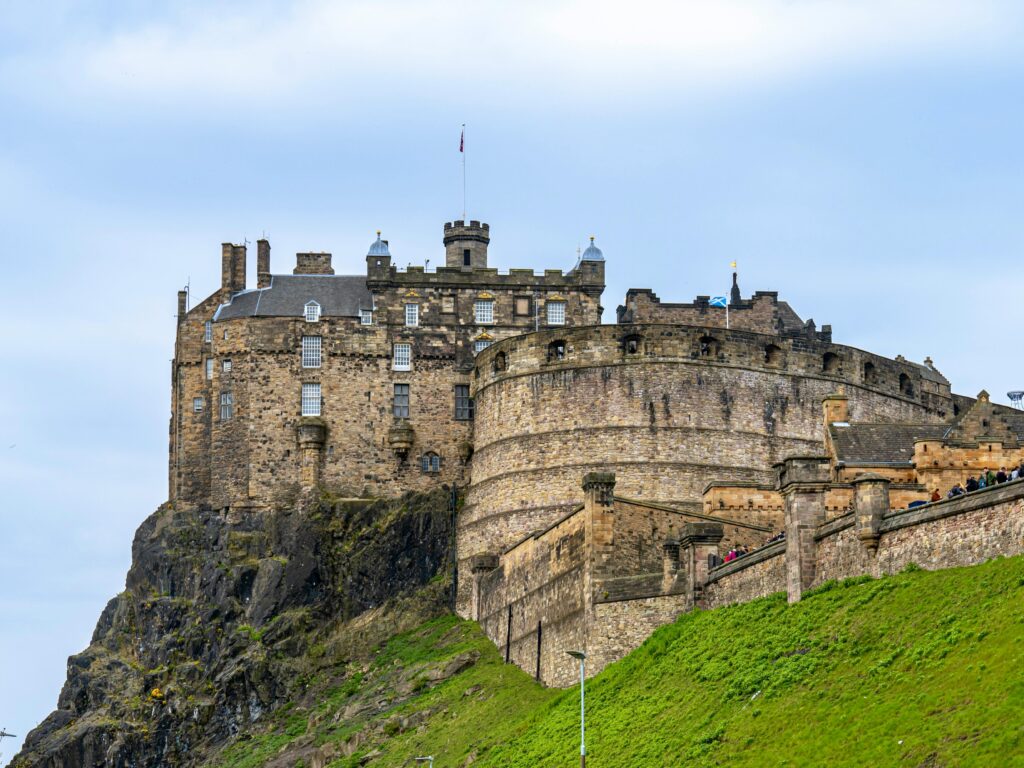
Set atop an extinct volcanic rock, Edinburgh Castle has been a royal fortress since at least the 12th century, though the site shows evidence of occupation as early as the Iron Age. It houses the Honours of Scotland, the oldest crown jewels in Britain, and the Stone of Destiny, used in royal coronations. Don’t miss St Margaret’s Chapel (c.1130), the oldest surviving building in Edinburgh, and arrive early to beat heavy crowds.
Royal Mile
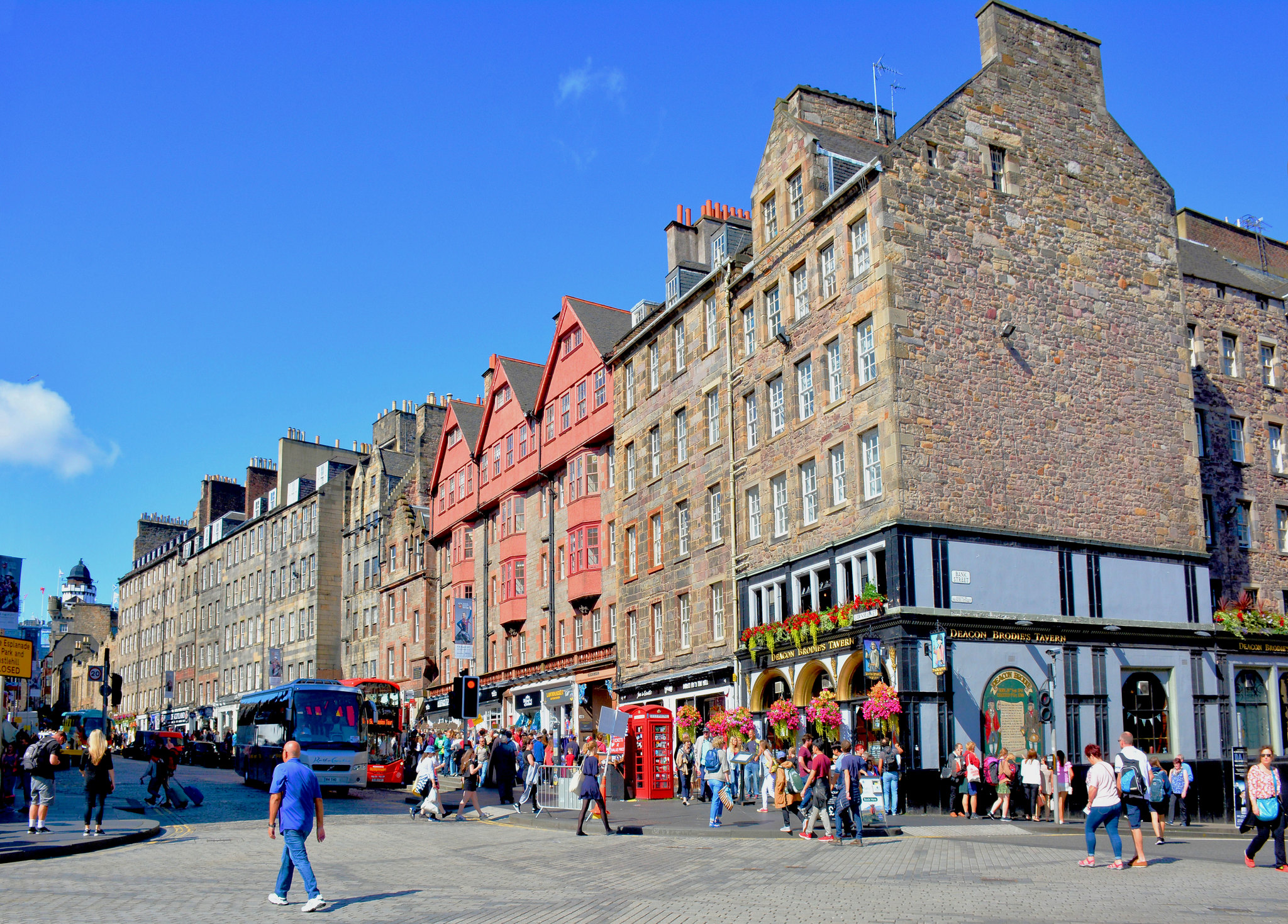
Did you ever think about walking a single street that captures centuries of history? Well, then one of the most important historic landmarks you need to see in Edinburgh is the Royal Mile. Stretching roughly one mile between Edinburgh Castle and Holyrood Palace, it formed the backbone of the medieval Old Town. Look for hidden “closes,” St Giles’ Cathedral, and preserved tenements, each revealing how people lived, worked, and moved through the city over hundreds of years.
Palace of Holyroodhouse
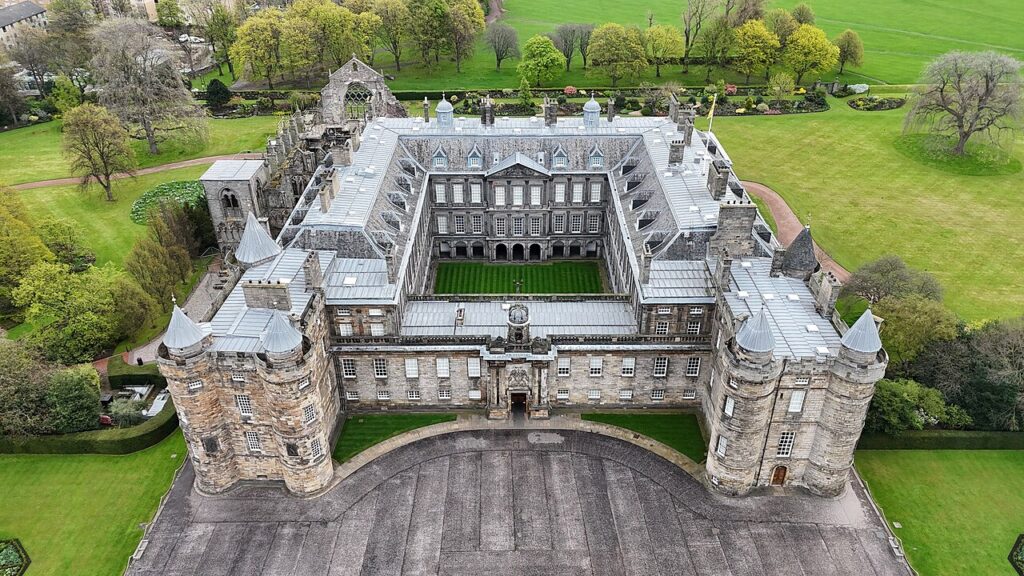
At the foot of the Royal Mile, the Palace of Holyroodhouse has served as the official residence of British monarchs in Scotland since the 16th century. It stands on the site of a 12th-century abbey, whose ruins remain beside the palace. Inside, the State Apartments and Mary, Queen of Scots’ chambers reveal political intrigue and royal life. Visit early or late in the day for fewer crowds, and combine it with a walk up Arthur’s Seat just behind it.
St Giles’ Cathedral
Stand on the Royal Mile and you can’t miss it: St Giles’ Cathedral doesn’t just sit there, it commands the street. First built in the 12th century and reshaped over centuries, it became the beating heart of the Scottish Reformation under John Knox. Look closely and you’ll spot its clock overlooking the Mile, quietly marking time in a place where history never really moved on. Inside, the Thistle Chapel stuns, carvings so detailed they feel almost unreal.
The Real Mary King’s Close
This one is a must-see because it’s one of the only preserved underground streets in Edinburgh, sealed beneath the Royal Mile in the 17th century. The close, named after merchant Mary King, was partially buried during the construction of the City Chambers in 1753, leaving entire homes and passageways frozen in time. Walking through it, you’ll see original rooms, narrow alleys, and learn how residents lived through overcrowding and plague outbreaks. Visits are only possible via guided tours, which run frequently but sell out, so book ahead online. Arrive early, as entry times are strict, and expect low ceilings, dim lighting, and an atmosphere that feels remarkably intact.
Craigmillar Castle
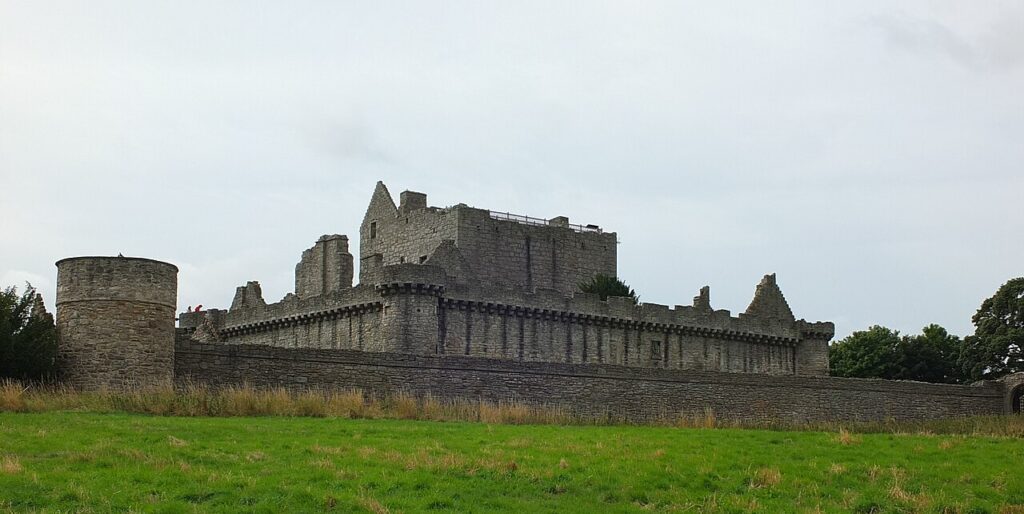
Now this landmark is definitely a hidden gem, often overlooked, yet one of the best-preserved medieval castles in Scotland. Built in the late 14th century by the Preston family, it later became closely tied to Mary, Queen of Scots, who stayed here in 1566 after the murder of her secretary, David Rizzio. The castle’s defensive walls, tower house, and surprisingly intact rooms give you a raw sense of medieval life without heavy restoration. You can freely explore staircases, chambers, and the courtyard at your own pace. It’s about a 15-minute drive from the city center, or reachable by bus, and far less crowded than Edinburgh Castle. Go early for near-total quiet.
Calton Hill & National Monument
You don’t come here for interiors. Instead, you come for perspective. Calton Hill rises just east of the city center, crowned with monuments that turn Edinburgh into something almost classical. The National Monument, begun in 1822 as a tribute to Scottish soldiers of the Napoleonic Wars, was never completed due to lack of funds, leaving behind its striking Parthenon-like columns. Around it, you’ll find the Nelson Monument and Dugald Stewart Monument, each adding to the skyline. The climb takes only a few minutes, access is free, and the payoff is one of the best panoramic views in the city, especially at sunrise or golden hour.
Gladstone’s Land
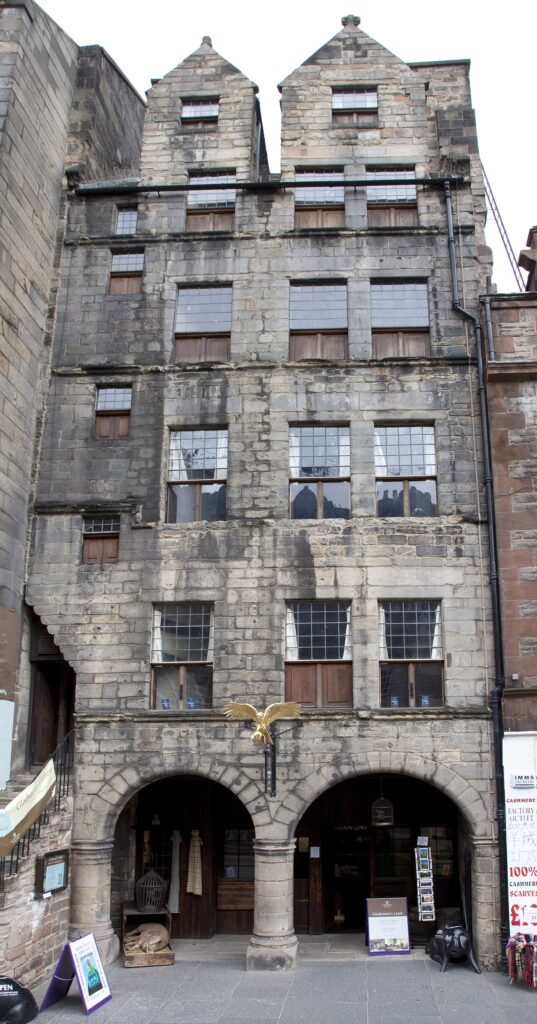
Right on the Royal Mile, Gladstone’s Land pulls you straight into 17th-century Edinburgh, and it does it brilliantly. Built in 1550 and later owned by merchant Thomas Gledstanes, this towering tenement shows how people lived vertically in the Old Town, with shops below and homes stacked above. Step inside and look up: the painted ceilings, dating back to 1620, are among the oldest in Scotland. Rooms have been carefully restored with period furnishings, giving a vivid sense of daily life. Entry is ticketed and managed by the National Trust for Scotland, so book ahead, go early, and take your time…this one rewards attention.
Dean Village
Just a short walk from the city center, Dean Village feels like you’ve slipped out of Edinburgh entirely. Dating back to the 12th century, it was once a grain milling hub powered by the Water of Leith, with over ten mills operating at its peak. Today, you’ll see restored buildings like Well Court and quiet riverside paths. Go early in the morning or late afternoon for fewer people, and follow the Water of Leith walkway for a peaceful, scenic detour.
Scott Monument
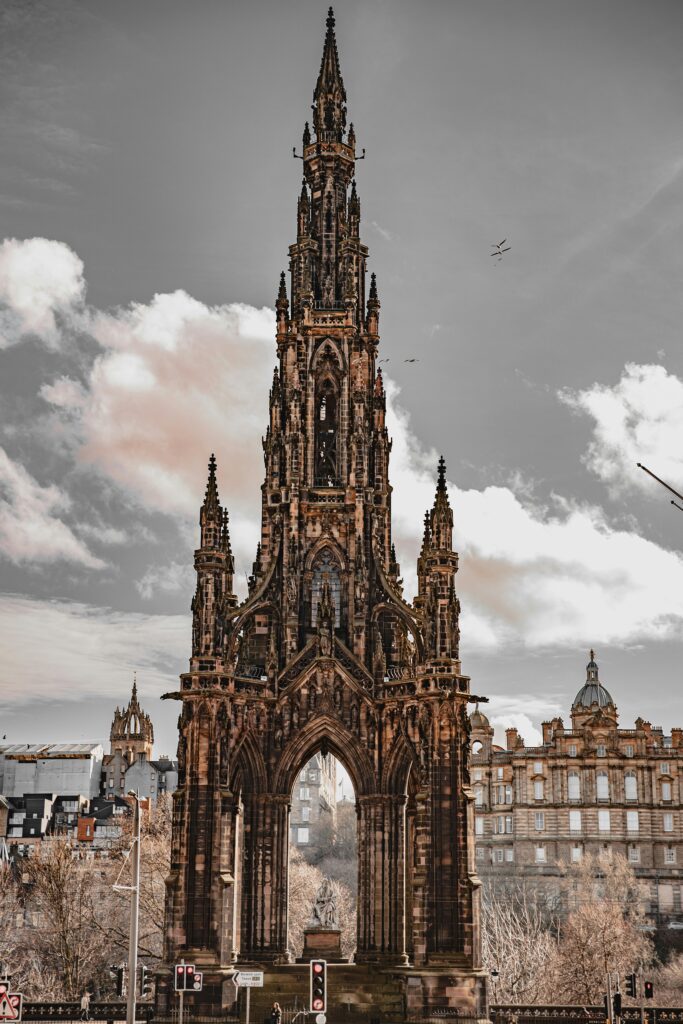
Rising dramatically above Princes Street Gardens, the Scott Monument was completed in 1844 as a tribute to Scottish author Sir Walter Scott, making it the largest monument dedicated to a writer in the world. Its striking Gothic design reaches over 60 meters, with a white marble statue of Scott seated beneath. You can climb its 287 narrow steps in stages to multiple viewing platforms, tight, winding, and not for the claustrophobic, but absolutely worth it for the views. Tickets are purchased on-site, and access can close in poor weather, so check ahead and go early to avoid queues.
Are you looking for more adventure? Check out our 48 Hour European city guides, including one of our reader’s favorites, 48-Hours in Vienna.
48-Hour City Guides
Ready to Go? Grab Your Guide.
Hour-by-hour itineraries built for independent travelers.
London, Paris, Vienna, Prague, Amsterdam and more — $14.99 each.
