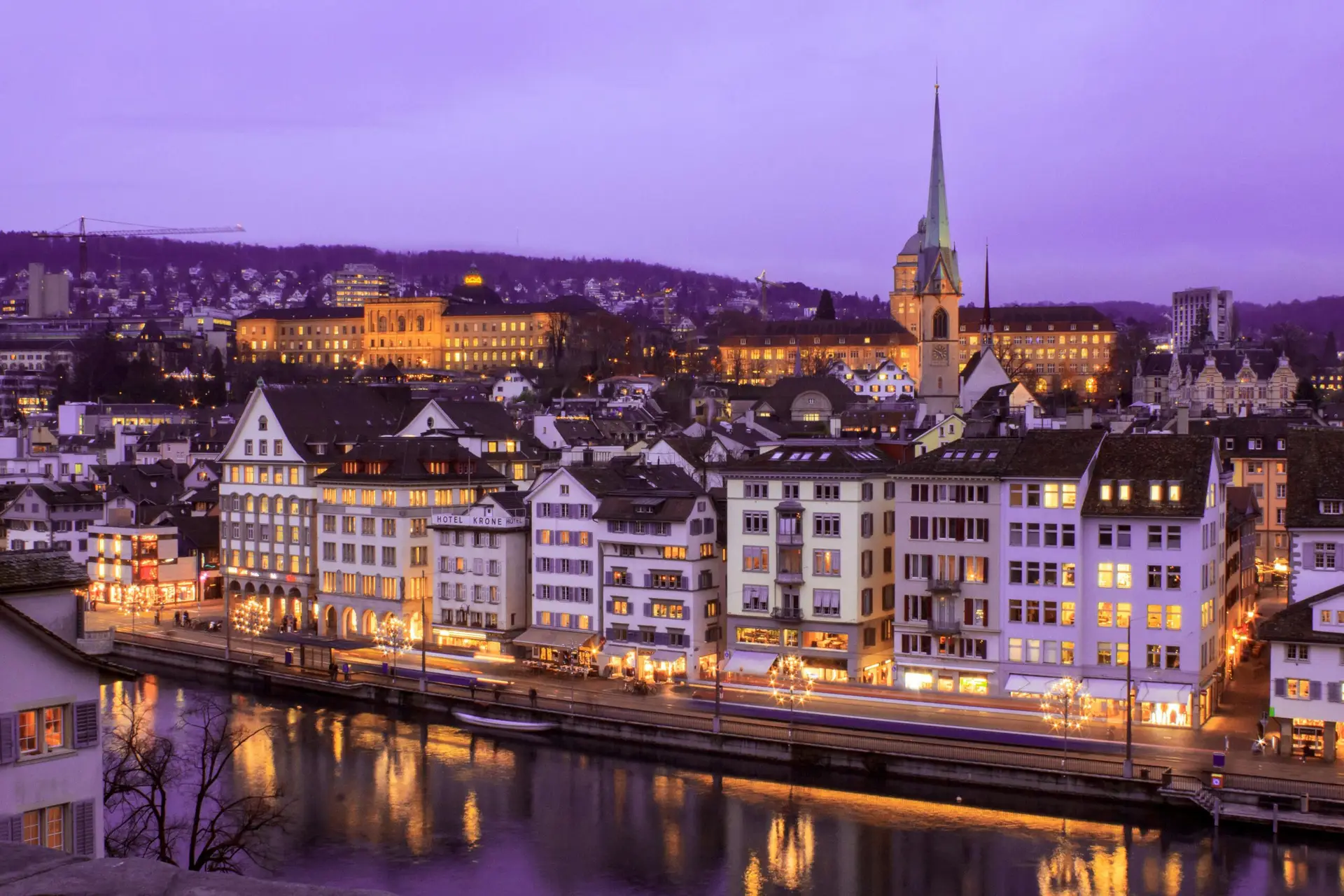
A persistent myth casts Zurich as a city of the present alone. Many see it as a hyper-efficient metropolis running on banking hours, premium chocolate, and Swiss precision. But try stepping off the train at the Hauptbahnhof and bypassing the glittering storefronts of the Bahnhofstrasse. If you let yourself slow down, you will discover the city’s true character. It belongs to the solo wanderer who likes to look a little closer.
Zurich was carved out by glaciers and anchored by water. The Limmat River splits it doworld’s sanityover two thousand years, the city has quietly reinvented itself. It evolved from a Roman tax post to a fierce medieval walled city, and then into a radical center of the Protestant Reformation. Eventually, it became the birthplace of Dadaism—the art movement that challenged the sanity of the world.
For the independent traveler over 50, Zurich offers an exceptionally rewarding solo experience. It is effortlessly safe and remarkably easy to navigate. It is also deeply layered with stories. These tales reveal themselves best when you aren’t rushing to keep up with anyone else.
Here is how to immerse yourself in the rich history and vibrant cultural pulse of Switzerland’s largest city on your own terms.
The Roman Footprints and Medieval Lanes of the Lindenhof
The best place to find your bearings is the Lindenhof. It lets you touch the earliest layers of Zurich’s past. This shaded hilltop oasis rises gently above the old town (Altstadt). It offers panoramic views of the river, the university, and the medieval skyline.
Two thousand years ago, this hill was a Roman customs station called Turicum. Today, the ancient fort is gone. A peaceful public square stands in its place, where locals gather beneath the trees to play giant chess. Coming here alone in the morning is a masterclass in European pace. Grab a fresh pastry and a coffee, take a seat on the stone wall, and watch the city wake up below you.
From the Lindenhof, wander down into the labyrinthine alleys of the Schipfe. This is one of the oldest quarters of the city. Historically the realm of boatmen and artisans, these narrow streets sit directly beneath the hill along the riverbank. The area is completely devoid of vehicle traffic, making it a dream for solitary exploration. You won’t find international chains here. Instead, you’ll discover small, independent workshops where local craftspeople still bind books, forge metal, and design bespoke clothing.
A Tale of Three Steeples: Chargin’ Through the Reformation
You cannot understand Zurich’s architectural identity or its historical grit without spending time with its three iconic churches, each dominating a different side of the riverbank. Exploring them solo allows you to sit in the quiet stillness of centuries-old stone and absorb their drastically different energies.
-
Grossmünster (The Great Minster): According to legend, Charlemagne discovered the graves of the city’s patron saints here and built the first church on the site. In the 16th century, it became the launching pad for Huldrych Zwingli’s Swiss Reformation. Zwingli’s fierce preaching stripped the church of its icons, statues, and organs, creating a stark, solemn space. Don’t miss the modern addition: the stunning, vibrant stained-glass windows by German artist Sigmar Polke, made from thinly sliced pieces of agate that glow like jewels when the sun hits them. If your knees are up for it, climb the Karlsturm (Charles Tower) for an unmatched view of the lake.
-
Fraumünster (Our Lady’s Minster): Directly across the river sits the former convent that once held immense political power over Zurich. While the architecture is striking, the real draw here is the chancel. In the 1970s, a 70-something Marc Chagall designed a set of five breathtaking stained-glass windows for the church. Sitting alone in the pews as the shifting daylight filters through Chagall’s deep blues, radiant reds, and earthy greens is an almost spiritual cultural experience, regardless of your beliefs.
-
St. Peter: Just a short walk away, this church boasts the largest church clock face in all of Europe (surpassing even Big Ben). The tower was used for centuries as a fire watch post, and the surrounding quiet square feels a world away from the bustling financial districts just blocks away.
Rebellion and Avant-Garde: The Legacy of Cabaret Voltaire
While Zurich might seem orderly today, it has historically been a sanctuary for political radicals, free-thinkers, and exiled artists. In 1916, amidst the chaos of World War I, a group of artists including Hugo Ball and Tristan Tzara met in a small tavern on Spiegelgasse in the Niederdorf district and launched Dadaism.
Dada was a satirical, nonsensical, and chaotic artistic rebellion against the societal structures that had led to the war. Today, Cabaret Voltaire still operates in that very same building. It is part museum, part cafe, and part performance space. It is an incredibly welcoming spot for a solo traveler to have an afternoon espresso or a glass of Swiss wine. You can browse their independent bookstore, view avant-garde exhibitions, and contemplate how a city known for banking simultaneously gave birth to anti-art.
Fun historical note: Just a few doors down at Spiegelgasse 14, Vladimir Lenin was living in exile during the exact same months Dada was being founded, plotting the Russian Revolution over plates of Swiss sausage.
Industrial Renaissance: Art and Modern Culture in Zürich West
Catch the tram out to Zürich West to see how the city balances history with contemporary vitality. This neighborhood was once a gritty district of shipyards and heavy machinery factories. Today, it has undergone a brilliant architectural renaissance, turning industrial decay into cultural gold.
The centerpiece of this transformation is Im Viadukt. This stretch of historic brick railway arches is now a vibrant cultural and shopping mile. Walk along the viaduct to find independent design boutiques and galleries. You will also find a bustling indoor Market Hall (Markthalle) filled with local food vendors, artisanal cheeses, and fresh produce. It is arguably the best spot in the city to grab a solo lunch. Simply pull up a stool to sample anything from traditional Swiss raclette to fresh international street food.
Nearby sits the Schiffbau, a former shipbuilding hall that now houses a state-of-the-art theater and jazz club. Just down the street, old shipping containers are stacked high to create the iconic Freitag flagship store. It’s an inspiring reminder that Zurich’s culture isn’t frozen in stone. It is a living, breathing entity.
The Solo Traveler’s Practical Toolkit for Zurich
-
The Power of the Lake: When your feet get tired, do what the locals do: take a Limmatschiff (river boat) or a lake steamer. If you purchase a Zürich Card, these public transport boats are completely included. It’s a wonderful, low-stress way to sit back, feel the breeze, and watch the Alps frame the southern horizon.
-
Digital and Independent: Zurich is incredibly safe and solo-friendly. You won’t face the uncomfortable pressures of pushy vendors or tourist traps. Most museums offer excellent digital audio guides, meaning you can dive as deep into the history as you like, moving completely at your own pace.
-
A Note on Dining Solo: Don’t shy away from traditional guild houses (Zunfthäuser) along the river for dinner. While elegant, Swiss dining culture is highly respectful of solo patrons. Alternatively, for a relaxed but historic meal, visit Haus Hiltl, certified by Guinness World Records as the oldest continuously open vegetarian restaurant in the world. Its upscale buffet style is perfect for an independent diner who wants to sample a bit of everything without the formality of multi-course table service.
Zurich doesn’t shout about its history, nor does it perform its culture for the masses. It simply curates it beautifully, leaving the doors open for those traveling solo to discover its quiet, radical, and timeless charm.
To get a better visual sense of how the city’s unique geography shapes its daily life, take a look at our new Zurich 48-hour travel guide. This video is a wonderful visual companion to the article, showcasing the seamless blend of medieval architecture, vibrant lake life, and public transport that makes exploring Zurich alone such an effortless pleasure.
48-Hour City Guides
Ready to Go? Grab Your Guide.
Hour-by-hour itineraries built for independent travelers.
London, Paris, Vienna, Prague, Amsterdam and more — $7.99 each.
