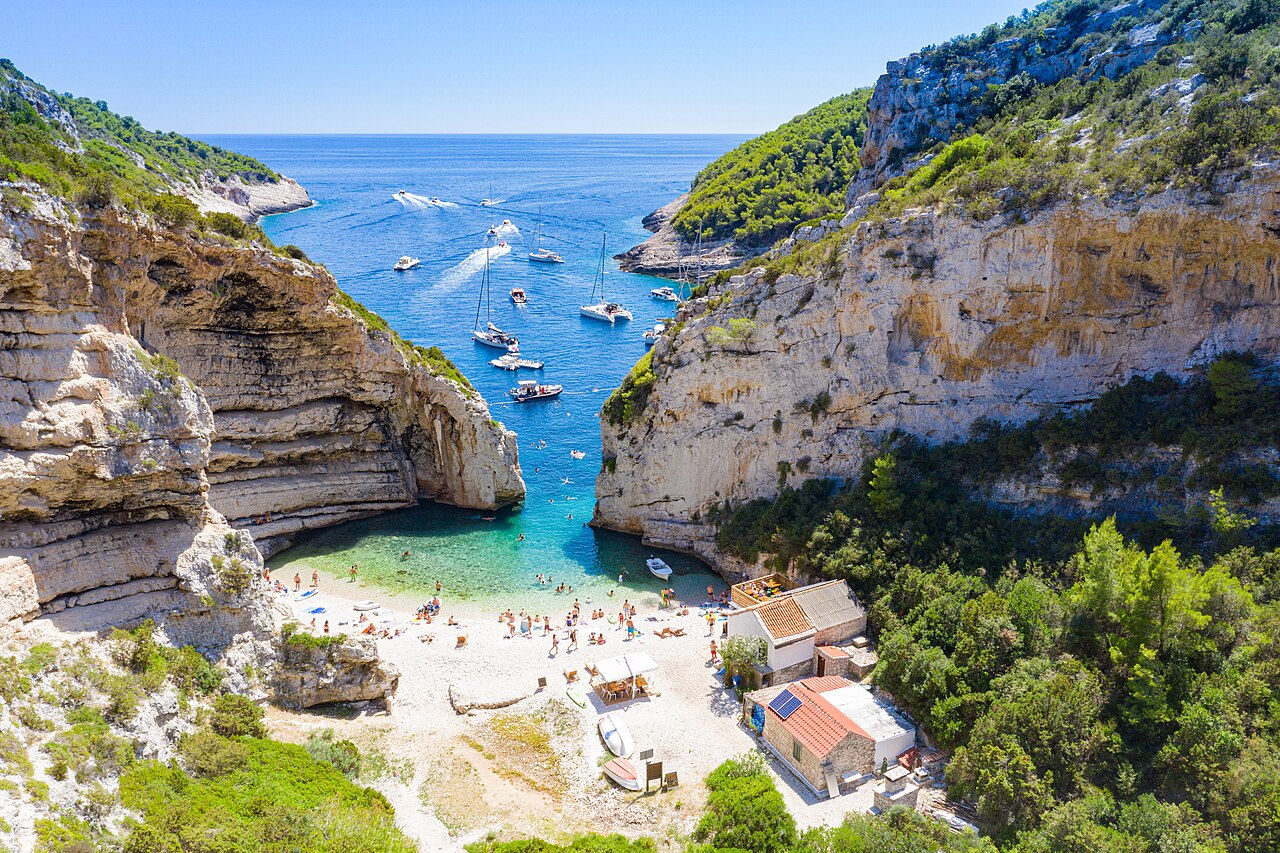
The Adriatic Coast stretches between Italy and the Balkan Peninsula, touching Italy, Slovenia, Croatia, Bosnia and Herzegovina, Montenegro, and Albania. It is one of Europe’s busiest sea corridors for tourism, with travelers drawn to Venice, Trieste, Istria, Dalmatia, Dubrovnik, Kotor Bay, Budva, Durrës, Vlorë, and the Albanian Riviera. Croatia alone recorded 89.4 million tourist nights in its Adriatic Region in 2025, while Montenegro passed 15.3 million overnight stays and Albania welcomed more than 12 million foreign visitors. People come for old towns, islands, beaches, Roman ruins, seafood, ferries, limestone cliffs, national parks, and warm coastal cities with walkable centers. For solo travelers, the region works especially well because many destinations are compact, public transport is usable on the main routes, hostels and guesthouses are common, and coastal towns naturally make it easy to join boat trips, walking tours, beach days, food tours, or hiking routes without needing a group.
Best Adriatic Coast Countries for Solo Travel
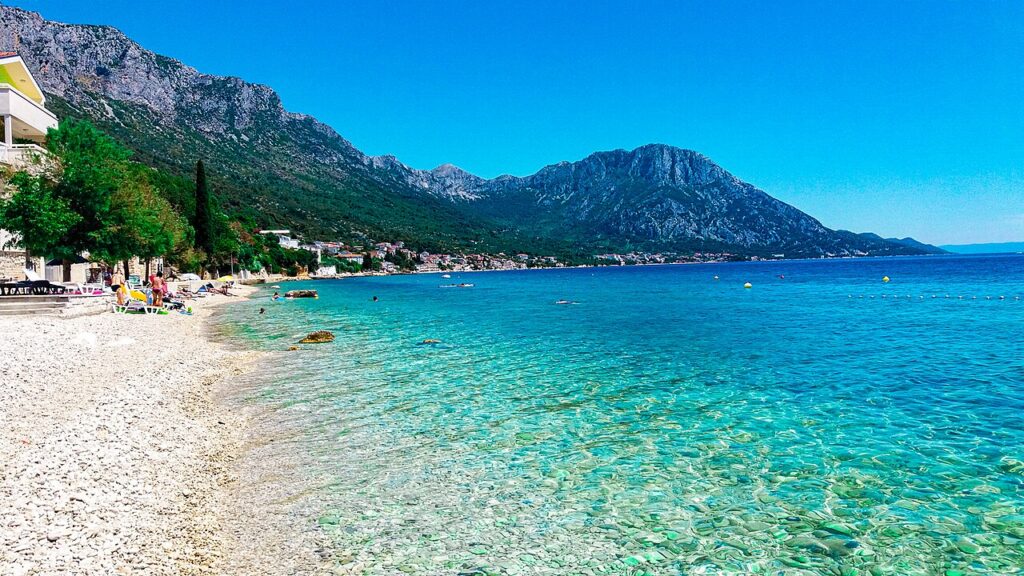
Croatia is the easiest Adriatic country for first-time solo travelers because its tourism infrastructure is the most developed. Split, Zadar, Dubrovnik, Šibenik, Rovinj, Pula, and Hvar all have strong accommodation options, frequent tours, reliable ferry links in season, and plenty of travelers to meet. Montenegro is smaller and easier to cover in less time, especially along Kotor Bay, Budva, Perast, and Sveti Stefan. Albania is better for travelers who want lower prices, beach towns with growing tourism, and a less polished feel, especially around Vlorë, Himarë, Dhërmi, Sarandë, and Ksamil. Slovenia’s coast is short but very easy, with Piran, Koper, Izola, and Portorož working well for slower solo trips. Italy’s Adriatic side is best for city-based travelers who want Venice, Trieste, Rimini, Ravenna, Ancona, Bari, or Puglia.
Best Time to Visit the Adriatic Coast Alone
May, June, September, and early October are the best months for most solo travelers. The weather is warm enough for coastal walks, ferries, swimming, terraces, and boat trips, but prices and crowds are usually easier to manage than in July and August. Peak summer brings the strongest social atmosphere, especially in Split, Hvar, Dubrovnik, Budva, Sarandë, and Rimini, but it also brings higher accommodation costs, packed beaches, busier ferries, and hotter days. Winter is quieter and cheaper, but some island routes, beach hotels, restaurants, and tours reduce schedules. Venice, Trieste, Bari, Split, Dubrovnik, Kotor, and Durrës still work outside summer because they are real cities, not just resort stops.
Best Adriatic Coast Route for First-Time Solo Travelers
A strong first solo route starts in Venice or Trieste, continues into Slovenia’s Piran, then moves south through Croatia’s Istria, Zadar, Split, and Dubrovnik before crossing into Montenegro’s Kotor Bay. Travelers with extra time can continue to Albania through Shkodër, Tirana, Vlorë, Himarë, and Sarandë. This route gives a clear north-to-south structure, avoids unnecessary backtracking, and mixes major cities, smaller coastal towns, islands, beaches, and historic centers. Two weeks is enough for Venice or Trieste, Piran, Split, Dubrovnik, and Kotor. Three to four weeks allows Istria, Zadar, an island such as Hvar or Korčula, Montenegro’s coast, and Albania’s Riviera without rushing.
Croatia Adriatic Coast Solo Travel Highlights
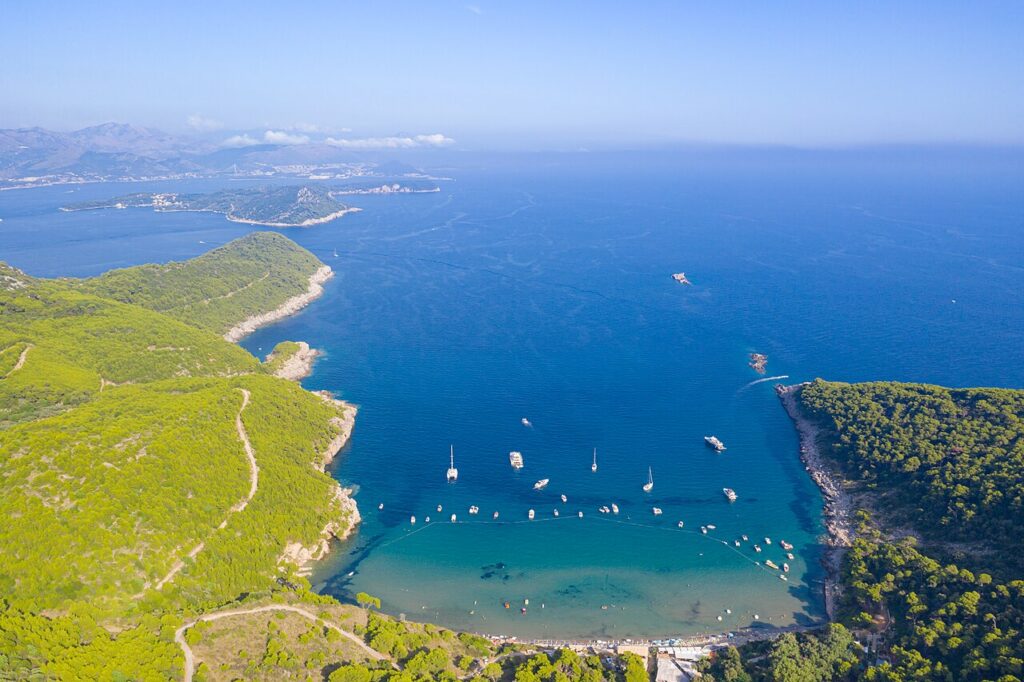
Croatia is the Adriatic’s strongest solo travel base because it combines city life, islands, beaches, heritage sites, and national parks. Split is one of the best starting points because Diocletian’s Palace sits inside the living city, ferries leave for Hvar, Brač, Vis, and Korčula, and day trips reach Trogir, Krka National Park, and the Blue Cave. Zadar is smaller, easier, and less overwhelming, with Roman ruins, sea views, the Sea Organ, and access to Kornati Islands. Dubrovnik is expensive and crowded, but its walls, Old Town, cable car views, Lokrum Island, and day trips to Montenegro or Bosnia make it worth planning carefully. Istria works well for food-focused solo travelers, especially Rovinj, Pula, Poreč, Motovun, and Grožnjan.
Montenegro Adriatic Coast Solo Travel Highlights
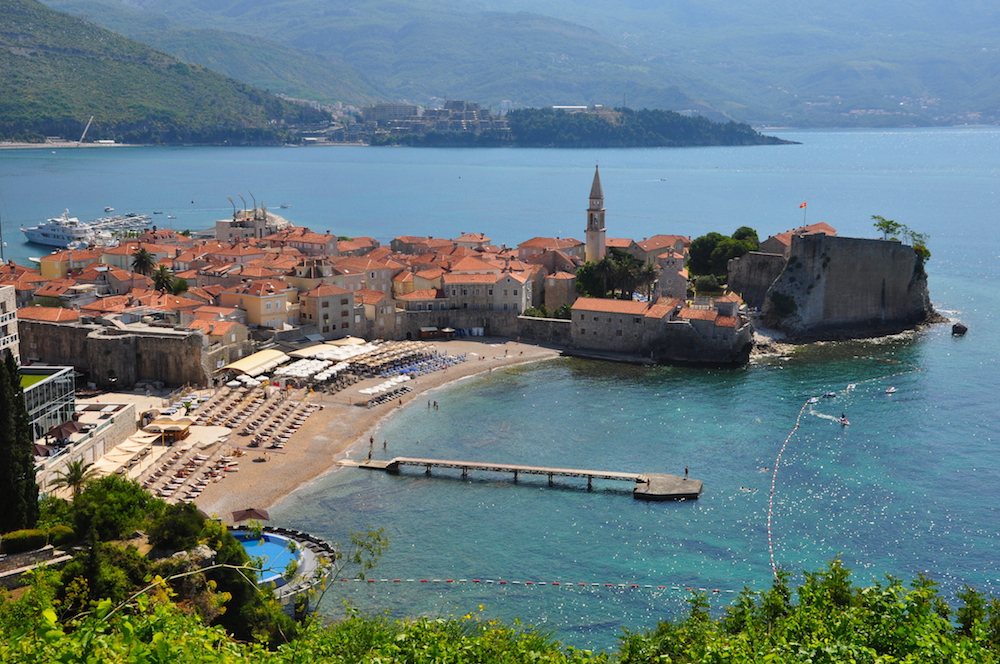
Montenegro is compact, dramatic, and practical for travelers who want big scenery without long distances. Kotor is the best solo base because its walled Old Town, hostels, boat trips, fortress hike, and bay villages make it easy to fill several days without renting a car. Perast is quieter and better for a half-day visit or peaceful overnight stay. Budva has beaches, nightlife, and a more resort-like feel, while Sveti Stefan is best seen as a scenic stop rather than a budget base. Herceg Novi is useful for travelers entering from Croatia. Montenegro’s coast can feel crowded in high summer, so solo travelers who prefer calmer streets should consider May, June, or September.
Albania Adriatic Coast Solo Travel Highlights
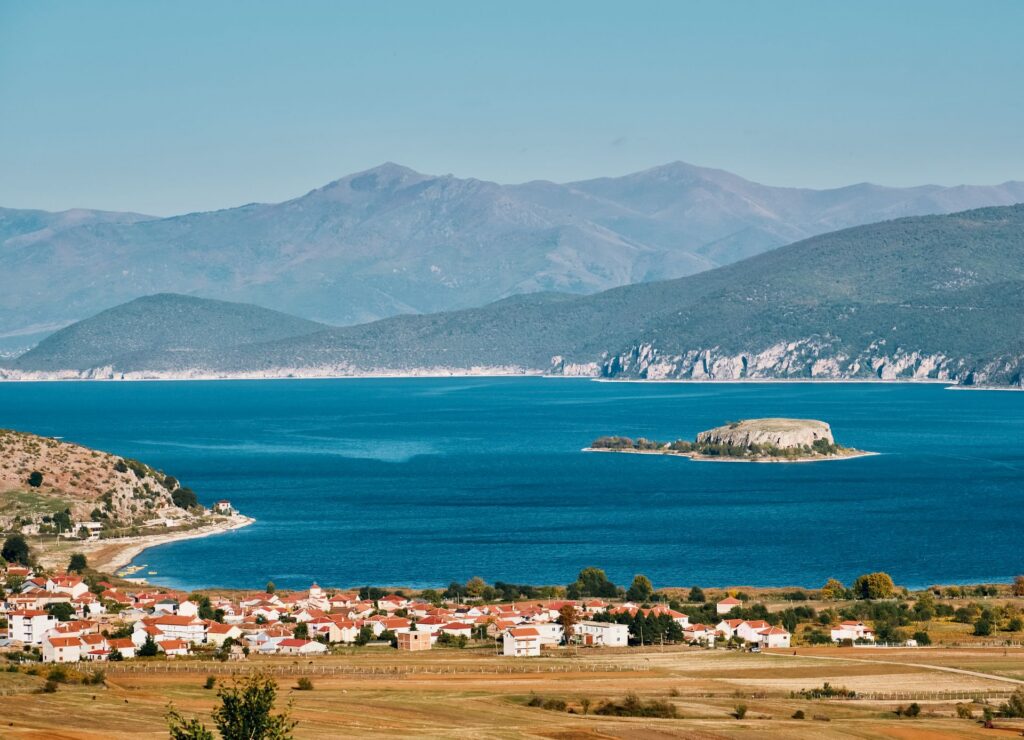
Albania’s coast has become one of Europe’s fastest-growing beach destinations, but it still feels different from Croatia or Italy. Durrës is close to Tirana and useful for easy access, but Vlorë is a better gateway for the southern coast. Himarë and Dhërmi suit travelers looking for beaches, guesthouses, boat trips, and a slower coastal rhythm. Sarandë is busier and more built-up, but it gives access to Ksamil, Butrint, the Blue Eye, and ferries to Corfu. Solo travelers should expect more uneven transport than in Croatia, especially between beach towns, but costs can be lower and local guesthouses often give the trip a more personal feel.
Slovenia Adriatic Coast Solo Travel Highlights
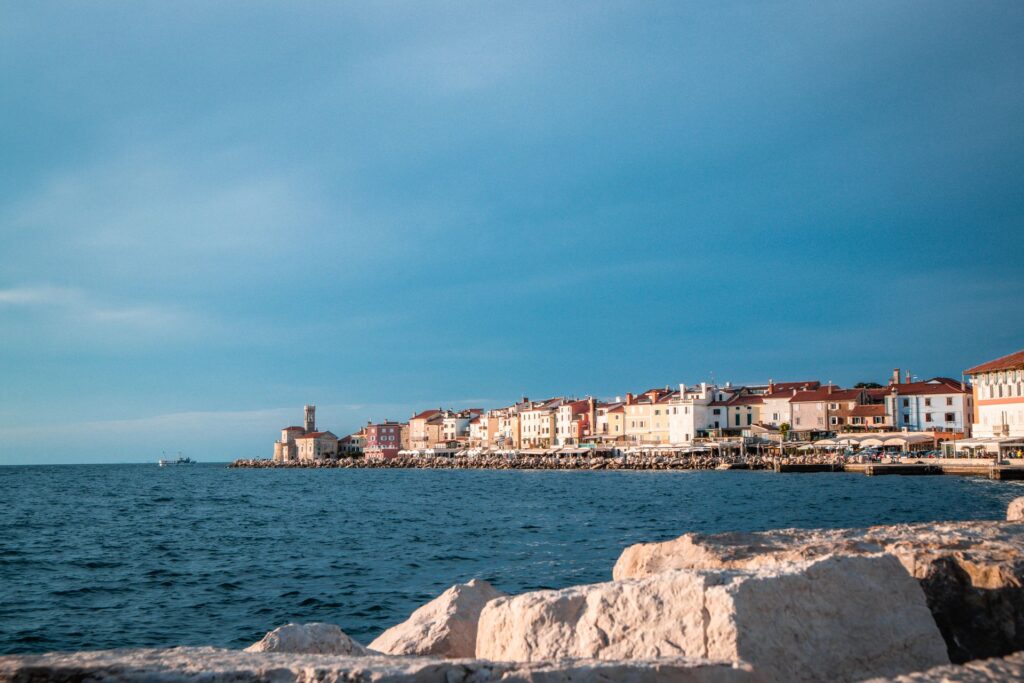
Slovenia has only a small stretch of Adriatic coastline, but it is one of the easiest parts of the region for a solo traveler. Piran is the main highlight, with Venetian-style architecture, Tartini Square, sea walls, swimming spots, and sunset views from the old town walls. Koper is more practical for transport and has a working-city feel. Izola is quieter, good for cafés and coastal walks, while Portorož is more resort-oriented. Slovenia’s coast works best as a two- or three-day stop between Trieste and Croatia, especially for travelers who want something calmer before continuing toward Istria, Rijeka, or Zagreb.
Italy Adriatic Coast Solo Travel Highlights
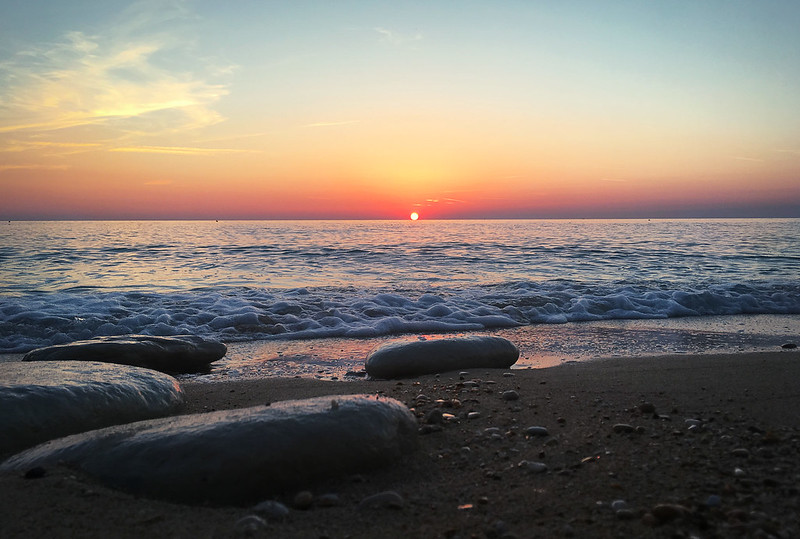
Italy’s Adriatic side is ideal for solo travelers who prefer cities, trains, food, and historic architecture over island hopping. Venice remains the biggest draw, but Trieste is often easier, cheaper, and more relaxed, with Austrian, Italian, Slovenian, and maritime influences. Ravenna is excellent for Byzantine mosaics, while Rimini works for beach nightlife and easy train connections. Ancona is useful for ferries, and Bari is one of the best southern Adriatic bases, especially for travelers heading into Puglia. From Bari, solo travelers can visit Polignano a Mare, Monopoli, Alberobello, Lecce, and the Gargano Peninsula.
Best Adriatic Islands for Solo Travelers
Croatia has the strongest island network on the Adriatic. Hvar is the most social, with nightlife, boat trips, beaches, and a polished summer scene. Brač is easier and more relaxed, especially around Bol and Supetar. Korčula is better for history, wine, and a slower pace. Vis suits travelers who want quieter beaches and boat excursions, but transport is less frequent. Mljet is best for nature and national park scenery. Solo travelers should book island accommodation early in summer because prices rise quickly and ferry-friendly locations matter. Staying near the port can save time, especially when leaving early for the next island or mainland city.
Adriatic Coast Transport Tips for Solo Travelers
The easiest way to move along the Adriatic is by combining buses, ferries, trains, and occasional flights. Croatia’s coast relies heavily on buses and ferries, while Italy is better by train. Slovenia is simple by bus or train for short hops, and Montenegro’s coast is usually covered by bus, taxi, or organized tours. Albania has buses and minibuses, but schedules may be less formal, so travelers should confirm locally. Ferries are essential for Croatian islands and useful between Italy and Croatia, Italy and Albania, and sometimes onward connections through the region. In peak summer, book ferries and long-distance buses ahead, especially Split–Hvar, Dubrovnik–Korčula, Bari–Durrës, and Ancona–Split routes.
Adriatic Coast Safety Tips for Solo Travelers
The Adriatic Coast is generally manageable for solo travelers, but normal city and beach precautions matter. Pickpocketing risk is higher in crowded tourist areas, ports, buses, nightlife zones, and old towns during peak season. Solo travelers should avoid leaving phones, wallets, or bags unattended on beaches and should keep documents secure during ferry and bus transfers. Summer heat can be intense, especially in stone-built towns such as Dubrovnik, Kotor, Split, and Bari, so early starts are smarter for hikes and city walls. Nightlife areas in Hvar, Split, Budva, Sarandë, Rimini, and Dubrovnik are social but require sensible judgment, especially when returning alone late at night.
Best Adriatic Coast Cities for Meeting People
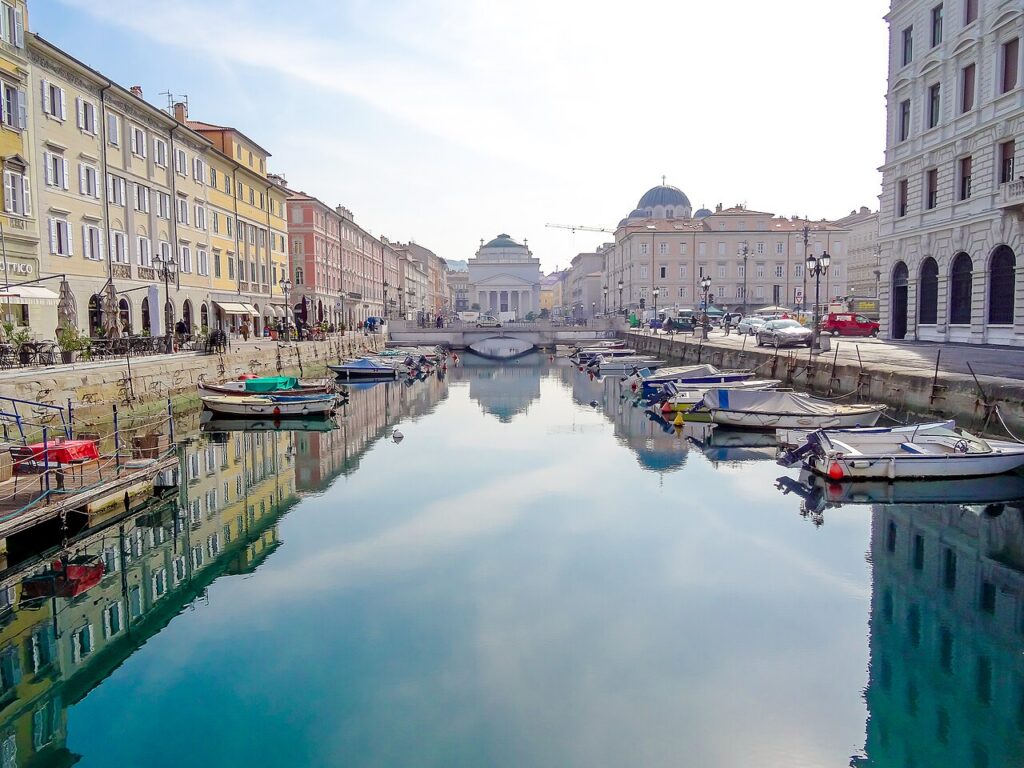
Split, Dubrovnik, Hvar, Zadar, Kotor, Budva, Sarandë, Venice, Trieste, and Bari are among the easiest places to meet other travelers. Split is especially strong because it combines hostels, ferries, day trips, food tours, pub crawls, beach clubs, and walking tours. Kotor is smaller but very social because most travelers follow similar routes through the bay. Hvar is the best Croatian island for nightlife, while Zadar is better for a less intense solo base. Sarandë is social in summer because many travelers use it for Ksamil, Butrint, and Corfu connections. Venice is busy but less naturally social unless staying in hostels or joining tours.
Best Adriatic Coast Beaches for Solo Travelers
Solo travelers usually do better on beaches close to towns, where food, bathrooms, transport, and other people are nearby. In Croatia, good options include Bačvice in Split, Banje in Dubrovnik, Zlatni Rat on Brač, and beaches around Rovinj and Makarska. Montenegro has Mogren Beach near Budva, Jaz Beach, and smaller swimming spots around Kotor Bay. Albania’s strongest beach areas include Himarë, Gjipe, Dhërmi, Jale, Ksamil, and beaches near Vlorë. Italy’s Adriatic side offers long sandy beaches around Rimini, Riccione, Pescara, and parts of Puglia. Rocky beaches are common in Croatia and Montenegro, so water shoes can be useful.
Best Adriatic Coast Food Experiences Alone
Eating alone is easy on the Adriatic because cafés, bakeries, seafood restaurants, markets, wine bars, and casual taverns are part of daily life. In Croatia, look for grilled fish, black risotto, octopus salad, peka, Pag cheese, Istrian truffles, and local wines. Montenegro offers seafood, grilled meats, burek, kačamak, and wines from the Lake Skadar region. Albania is strong for grilled fish, byrek, tavë kosi, village salads, olive oil, and seafood along the Riviera. Italy’s Adriatic coast adds cicchetti in Venice, seafood brodetto, handmade pasta, Puglian orecchiette, focaccia barese, and fresh burrata. Food tours are a useful solo option in larger cities.
Best Adriatic Coast Day Trips for Solo Travelers
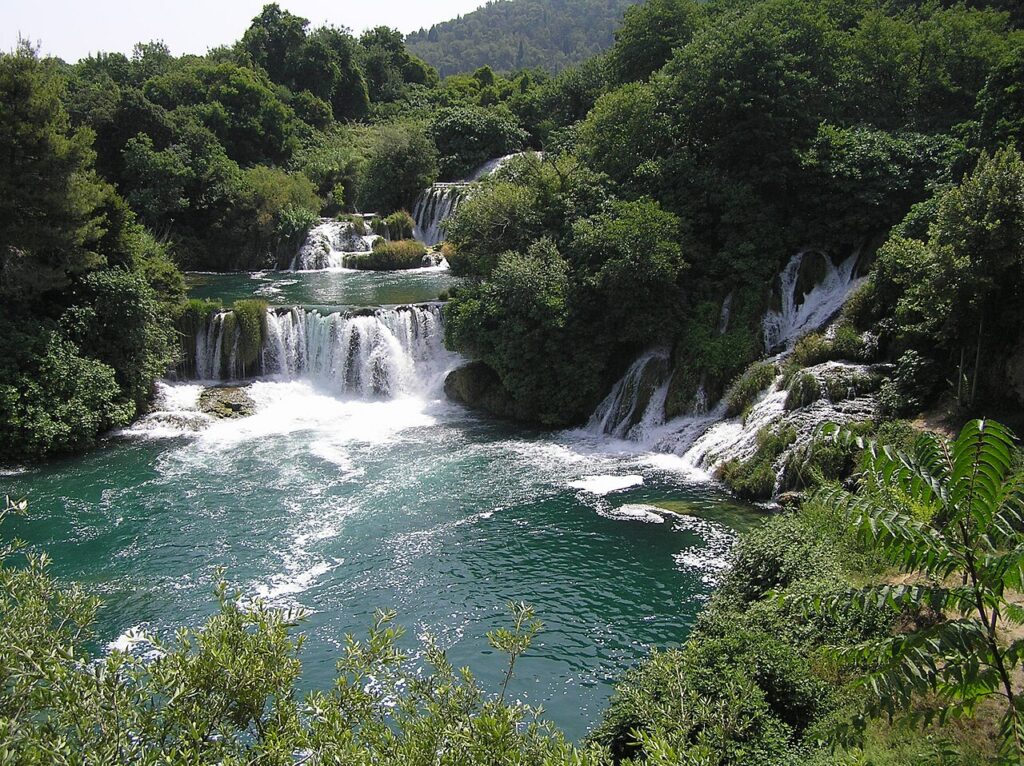
The best day trips depend on where travelers base themselves. From Split, Trogir, Krka National Park, Hvar, Brač, and the Blue Cave are popular. From Dubrovnik, travelers can visit Lokrum, Cavtat, the Elafiti Islands, Mostar, or Kotor. From Kotor, Perast, Our Lady of the Rocks, Lovćen National Park, and Budva are easy options. From Sarandë, Butrint, Ksamil, the Blue Eye, and Gjirokastër are common choices. From Bari, Polignano a Mare, Monopoli, Matera, Alberobello, and Lecce work well by train or tour. For solo travelers, organized day trips can reduce transport stress and add built-in social time.
Adriatic Coast Budget Tips for Solo Travelers
The Adriatic is no longer uniformly cheap. Croatia’s most famous stops, especially Dubrovnik, Hvar, and parts of Split, can be expensive in July and August. Venice is also costly year-round, especially near major sights. Better-value bases include Zadar, Šibenik, Rijeka, Pula, Kotor outside peak dates, Herceg Novi, Vlorë, Himarë, Durrës, Bari, and Trieste. Solo travelers can save money by booking rooms early, staying slightly outside old towns, using bakeries and markets for breakfast, choosing ferries carefully, and traveling in shoulder season. Private rooms often cost much more than dorms in summer, so hostels, guesthouses, and apartments should be compared early.
Adriatic Coast Packing Tips for Solo Travelers
Pack light because Adriatic travel often involves stairs, cobblestones, ferries, buses, and old-town apartments without elevators. A carry-on backpack or small suitcase is easier than a large checked bag. Useful items include water shoes, reef-safe sunscreen, a hat, a reusable water bottle, a quick-dry towel, swimwear, light layers, a power bank, and comfortable sandals or walking shoes. For Croatia, Montenegro, and Albania, beach surfaces are often pebbly or rocky rather than soft sand. For city days in Venice, Dubrovnik, Kotor, Split, and Bari, shoes matter because stone streets become tiring. Shoulder-season travelers should bring a light jacket for wind and ferry crossings.
Adriatic Coast Mistakes Solo Travelers Should Avoid
The biggest mistake is trying to cover the whole coast too quickly. Distances look short on a map, but buses, borders, ferries, and summer traffic can slow everything down. Another mistake is treating every coastal town the same. Dubrovnik, Kotor, Sarandë, Bari, Venice, and Piran offer very different experiences. Solo travelers should also avoid booking island stays without checking ferry times first. A cheap room far from the port can become inconvenient fast. In Albania and Montenegro, relying only on online schedules can cause problems, so local confirmation helps. Finally, travelers should not underestimate heat, crowds, stairs, and luggage fatigue in July and August.
Final Adriatic Coast Solo Travel Advice
The Adriatic Coast is one of Europe’s best regions for solo travel because it can be shaped around many styles: island hopping, beaches, old towns, food, ferries, nightlife, hiking, history, or slower coastal stays. Croatia is the easiest starting point, Montenegro is the most compact, Albania gives strong value and growing beach appeal, Slovenia adds a calm short-coast break, and Italy’s Adriatic side brings strong rail access and historic cities. The best solo trips do not rush the whole coastline. They choose a clear route, leave room for weather and ferry changes, and balance famous stops with smaller towns where the Adriatic feels less crowded and more personal.
48-Hour City Guides
Ready to Go? Grab Your Guide.
Hour-by-hour itineraries built for independent travelers.
London, Paris, Vienna, Prague, Amsterdam and more — $7.99 each.
