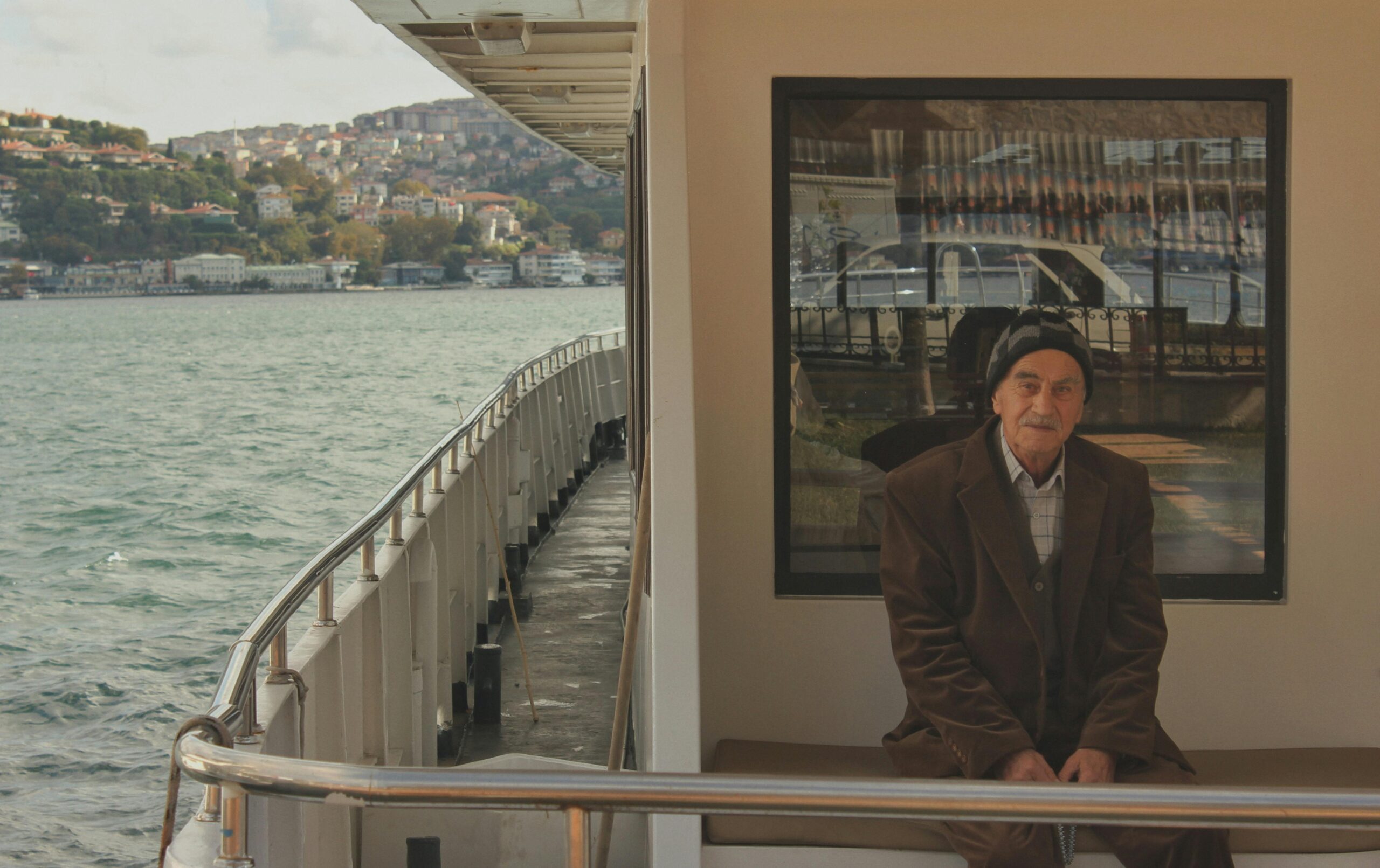
Everyone warns you about it before you go. Won’t you be lonely? Your sister asks. Your neighbor, who has not left the state since 2019, asks. Your doctor asks, which is the one that stays with you on the flight over.
Here is what they don’t know, because they haven’t done it: loneliness, in solo travel, is almost entirely a Day Two problem.
Day One you’re moving. You’re navigating arrivals, finding your hotel, orienting yourself to a new city. The logistics occupy you completely and that’s fine — that’s what Day One is for.
Day Two is the test. The novelty hasn’t fully arrived yet and the routine hasn’t formed. You sit down to dinner and the table feels large and the room feels loud and you think: this was a mistake. This is normal. Almost every experienced solo traveler has a version of this story. The ones who kept going are the ones writing the travel blogs. The ones who booked the first flight home are not.
Day Three is different
By Day Three something shifts. It’s not dramatic. You’ve ordered coffee the right way twice. You know which exit to take from the metro. You have a table you like at a place nobody told you about. The city starts to feel like a place you are inhabiting rather than a place you are observing, and that distinction matters more than any itinerary item.
What’s actually happening after fifty
There’s a particular quality to solo travel in your fifties and beyond that younger travelers don’t have access to: you’ve already done the hard work of figuring out who you are. You’re not traveling to find yourself. You’re traveling because you already know yourself well enough to enjoy your own company for an extended period — and to know what you actually want to see, eat, and do without negotiating with anyone.
The loneliness that new solo travelers fear is usually the absence of witness — no one to turn to on the ponte and say look at that. This is real, and it doesn’t fully go away. But what replaces it is something the paired traveler rarely experiences: total presence. You look at the view for as long as you want. Nobody is bored. Nobody needs to eat yet. Nobody prefers the other museum.
The practical side
Loneliness, when it does arrive, usually arrives in the evening and in transit. These are the moments to plan around, not avoid.
Dinner alone is the adjustment most people take the longest to make. The fix isn’t to eat early or eat fast — it’s to eat at the bar when there is one, to bring something to read, to book tables at restaurants where solo diners are welcome and the room has enough energy to carry you. A good book and a good meal in a beautiful city is not a consolation prize. It is, for a great many people, exactly what they came for.
Transit loneliness — long train journeys, airport hours — dissolves with a single good conversation, which happens more often in transit than anywhere else. Trains are excellent for this. The person across from you has nowhere to go and neither do you. One of you will say something eventually.
The number nobody talks about
In a 2023 AARP survey, 24 percent of solo travelers over 50 said they felt less lonely traveling alone than they did in their regular lives at home. Not just comparable — less.
The absence of a familiar routine turns out to be the presence of something else: a genuine encounter. With strangers, with places, with the version of yourself that exists without context. Most people find that version more interesting than they expected.
Day Three. Give it until Day Three.
GoingSolo.Life publishes practical guides and honest resources for independent travelers 50 and over. Find our 48-Hour City Guides at goingsololife.etsy.com.
48-Hour City Guides
Ready to Go? Grab Your Guide.
Hour-by-hour itineraries built for independent travelers.
London, Paris, Vienna, Prague, Amsterdam and more — $7.99 each.
