You’ve probably heard the phrase “America 250” tossed around lately. Here’s the short version: on July 4, 2026, the United States turns 250 years old. That’s two and a half centuries since a group of colonists signed a document that changed the world, and the country isn’t letting it pass quietly.
Washington DC, more than any other city, is the epicenter of the celebration. A full calendar of events, new museum exhibits, once-in-a-generation programming, and crowds that could number in the millions are all coming to the capital this year. Whether you’re planning a quick 48-hour trip or stretching it into a longer stay, understanding what’s happening at each of the city’s major landmarks will help you get more out of every hour you’re there.
Here’s what’s waiting for you.
Washington Monument
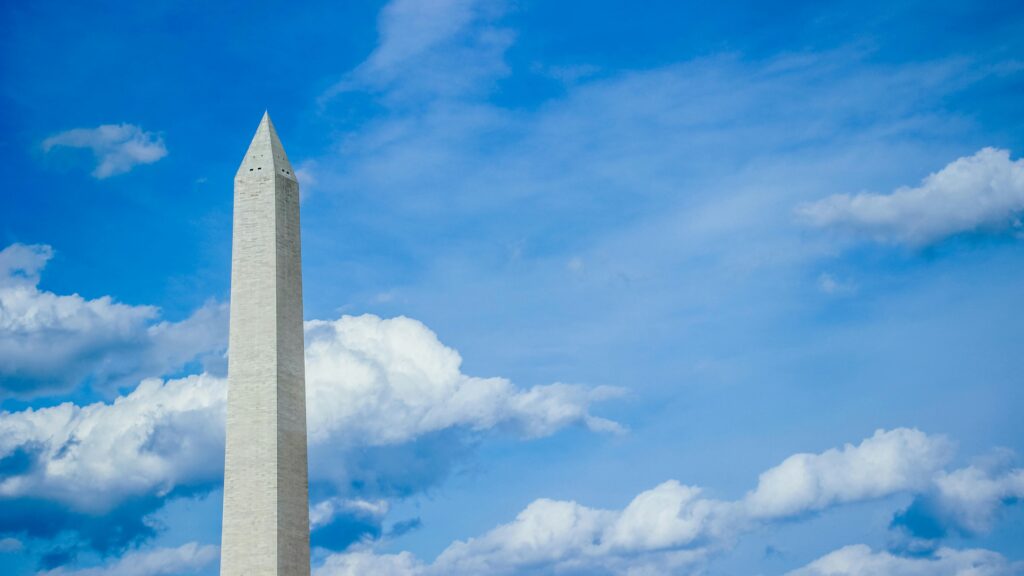
Hours: 9 am to 5 pm daily (September through May). Extended to 9 pm Memorial Day weekend through Labor Day. Free with timed-entry ticket. Closed July 4 and December 25.
You need a ticket to ride to the top, and those tickets go fast. Reserve them at recreation.gov as early as possible, especially for summer visits. The monument also closes for maintenance one day per month, and the exact date varies, so check the National Park Service website before you plan your morning around it.
From the observation deck, you can see the Capitol to the east, the Lincoln Memorial to the west, and the Jefferson Memorial to the south. It’s one of the best views in the city, and in 2026, that view will include a National Mall in full celebration mode for much of the summer. The Great American State Fair, a massive all-50-states festival, takes over the Mall from June 25 through July 10, which means the ground below the monument will look like it hasn’t in decades.
Lincoln Memorial
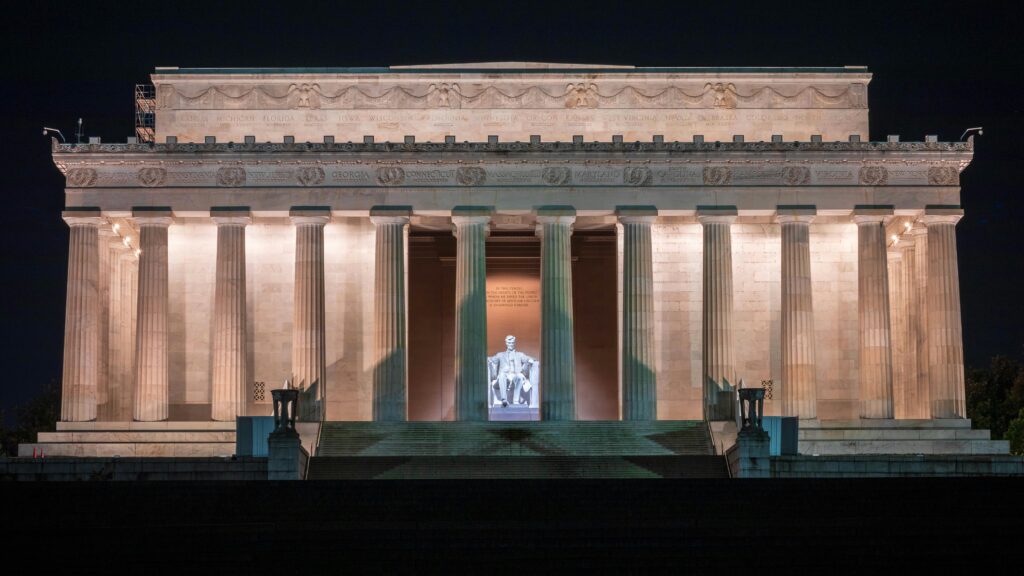
Hours: Open 24 hours. Park rangers are on duty from 9:30 am to 10 pm daily. Free.
This one never closes, which means you can stand on those steps at any hour and look east down the length of the Mall. Early morning and late evening are the best times. Crowds thin, the light changes, and the place becomes something other than a photograph you’ve already seen a thousand times.
For America 250, the Lincoln Memorial has even more to offer than usual. A brand-new underground museum space called the Lincoln Undercroft is set to open in July 2026 just below the memorial, turning the site into a full civic experience with exhibits exploring the Mall’s history as a gathering place for Americans across generations. If your visit falls anywhere near the summer, this is worth building your itinerary around.
There’s also “A Monumental Salute to America,” a free musical event staged at the memorial and surrounding monuments, celebrating the country’s birthday with performing ensembles from across the nation. The scale of what’s being planned here is unlike anything the Mall has seen in recent memory.
National Museum of African American History and Culture
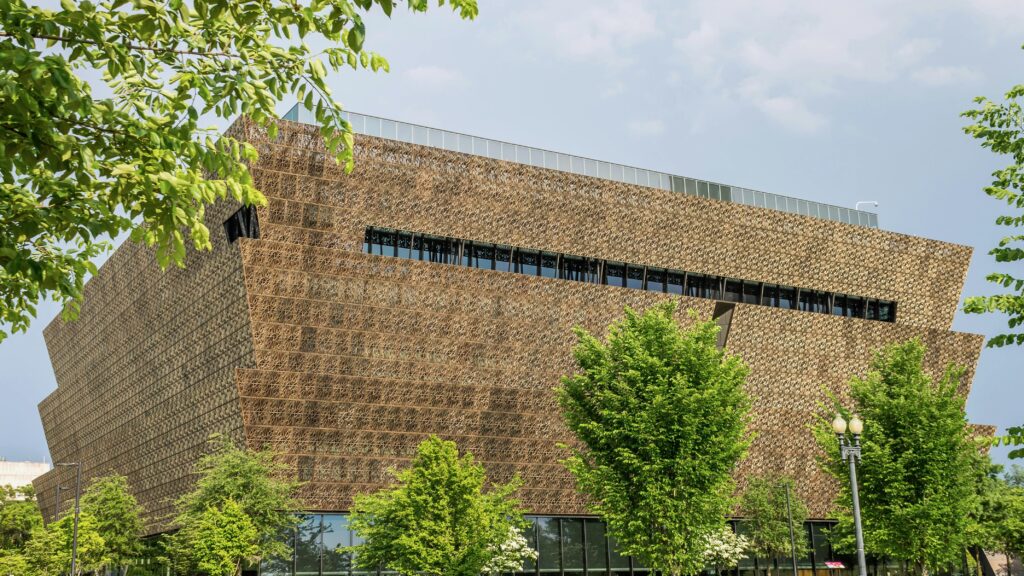
Hours: Tuesday through Sunday, 10 am to 5:30 pm. Monday, 12 pm to 5:30 pm. Closed December 25. Free with timed-entry pass.
This is the museum that consistently earns the longest pauses from visitors. Plan your time here generously. The history galleries alone take about two hours and cover roughly a mile of walking. The passes are always required, and they fill up weeks in advance, especially on weekends and during peak season. Book as soon as you know your travel dates.
The museum turns 10 years old in 2026, and Smithsonian programming tied to the America 250 celebration will mark both milestones throughout the year. No institution in Washington does a better job of showing that the American story isn’t a single narrative. It’s hundreds of intersecting ones, and this building holds more of them than any other stop on the Mall.
Grab a same-day pass online by 8:15 am if you missed the advance window. They’re limited but worth checking for every morning of your trip.
National Museum of American History
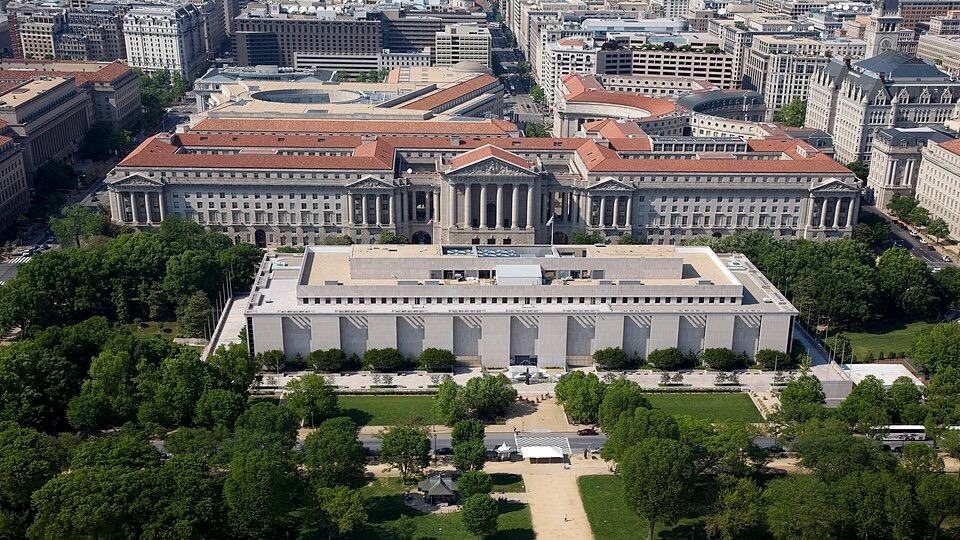
Hours: 10 am to 5:30 pm daily. Closed December 25. Free. No tickets required.
This is the place where the Star-Spangled Banner lives, displayed in a darkened gallery that asks you to slow down. Dorothy’s ruby slippers are here, too, as are more than 1.7 million other artifacts. It’s also one of the most walkable options on a full itinerary day because no advance reservation is required.
For America 250, the museum is opening a new exhibit, “In Pursuit of Life, Liberty & Happiness,” in May 2026, featuring 250 objects from the collection, including pieces that have never been publicly displayed. The exhibit is designed as a tour through American moments big and small, and it reads like a scavenger hunt through two and a half centuries. It’s one of the most direct ways to engage with the semiquincentennial inside a museum rather than on a lawn.
National Archives
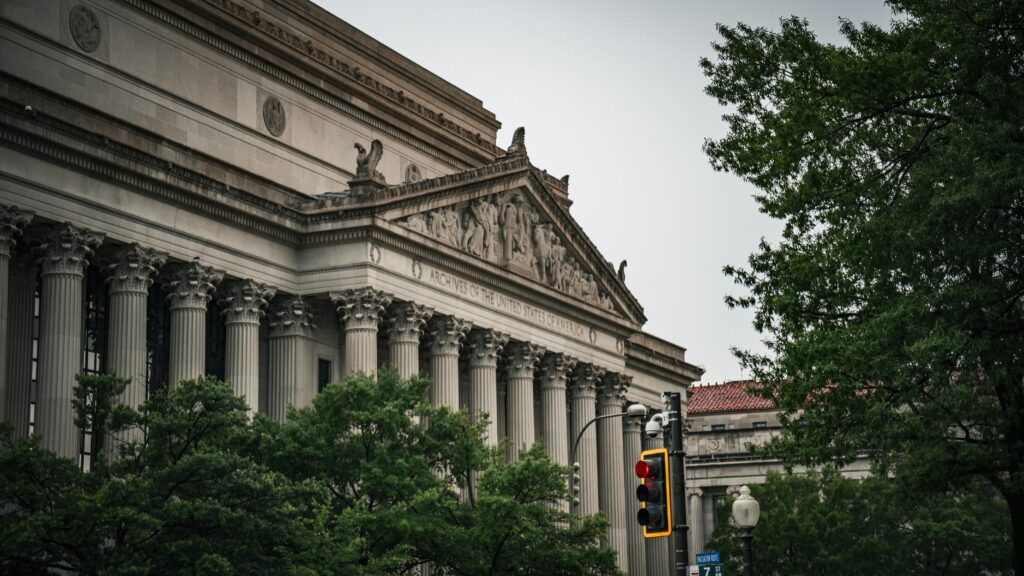
Hours: Generally 10 am to 5:30 pm daily (extended hours seasonally). Timed entry recommended for peak periods.
The actual Declaration of Independence is here. So is the Constitution and the Bill of Rights, all displayed in the Rotunda Gallery. People underestimate how different it feels to stand in front of the real documents versus seeing reproductions. It’s a short stop, but it lands.
In 2026, the Archives is running a rotating exhibition, “Road to Revolution,” through August 6, using original documents to tell the story of colonial resistance leading up to independence. It goes well beyond the Founding Fathers, including voices that are often left out of the standard version of the story.
On July 4, 2026, the Archives steps host a formal public reading of the Declaration of Independence, a tradition that’s been expanded for the 250th to include sign language interpreters and multiple translations. If you happen to be in town that day and can get close, this is the moment.
The US Capitol
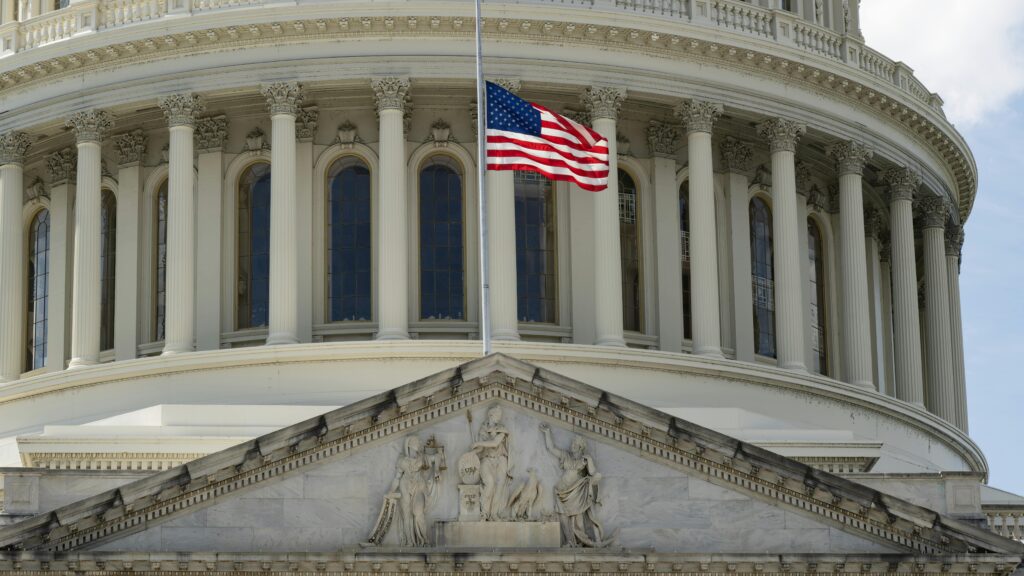
Hours: Capitol Visitor Center open Monday through Saturday, 8:30 am to 4:30 pm. Closed Sundays and federal holidays. Free. Tours require advance reservations.
Reserve a Capitol tour through your member of Congress, ideally weeks before you arrive. Same-day passes at the visitor center are available only while supplies last, and availability is not guaranteed. Even without a formal tour, the visitor center has exhibits, a café, and direct access to the crypt level of the building.
Capitol Hill as a neighborhood rewards lingering. The streets immediately surrounding the building are full of rowhouses, a covered market at Eastern Market, and the kind of domestic scale that makes Washington feel like a city people actually live in rather than just visit. After a morning on the Mall, that shift matters.
National Gallery of Art
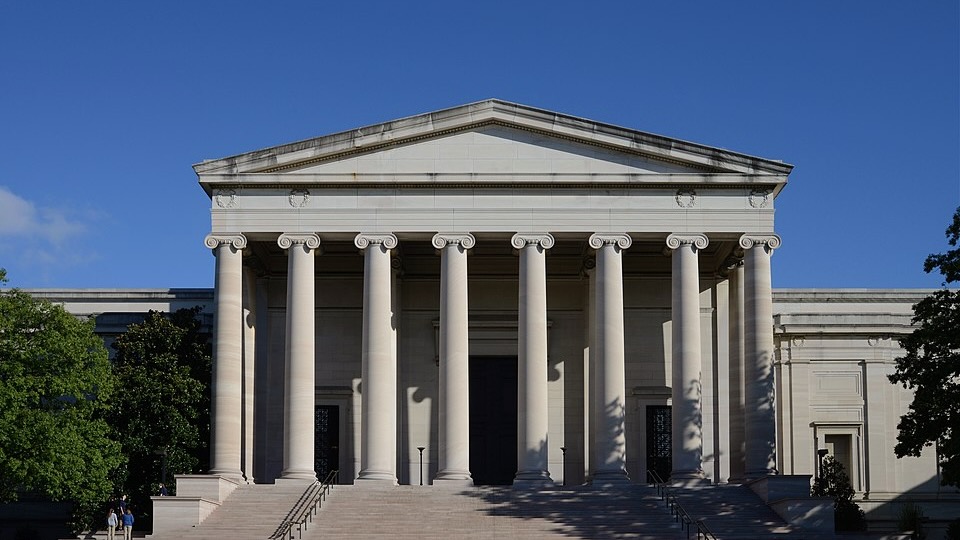
Hours: 10 am to 5 pm daily. Closed December 25 and January 1. Free.
The National Gallery sits just off the Mall and is one of the most reliable two-hour stops in the city. It’s a separate institution from the Smithsonian, requires no reservations, and is less crowded on weekday mornings than most of its neighbors.
For America 250, the museum is hosting a block party on the weekend of June 6 described as its largest ever public program, spanning the West Building, East Building, and Sculpture Garden with outdoor art-making, food, film, and music. A new exhibition, “American Icon: The US Flag in Art,” opens the same weekend and runs through December, featuring more than 30 works from the late 1800s to today that explore how the flag has been interpreted and reimagined across American culture.
Ford’s Theatre
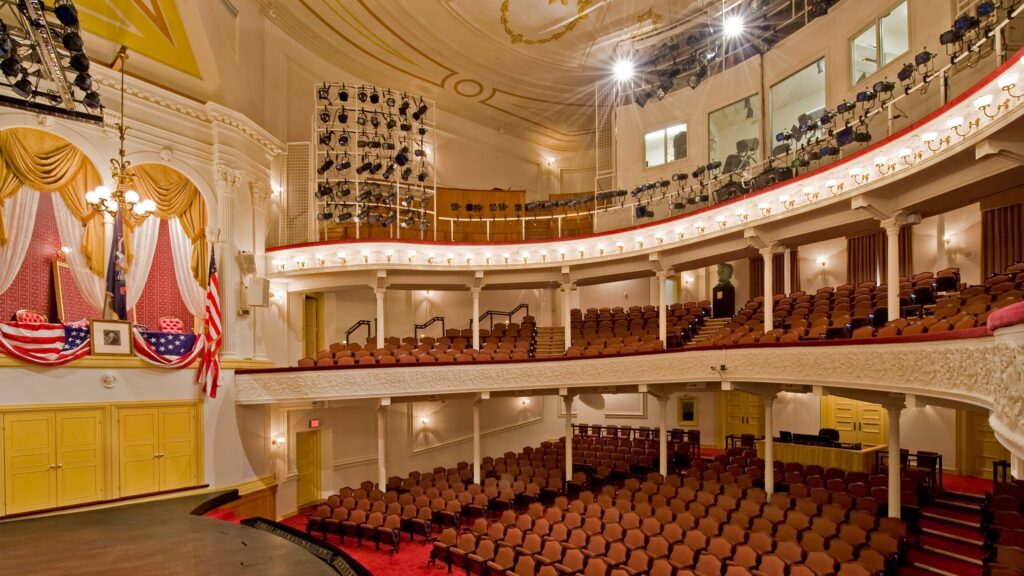
Hours: Daily, 9 am to 5 pm. Timed entry every 30 minutes. Free. Reservations strongly recommended.
This is the most concentrated single stop in the city. After a day of grand symbols and wide-open spaces, Ford’s Theatre returns everything to a room, a staircase, and one night that altered the country’s direction. The scale is intimate in a way that the Mall never is.
Book your timed entry at fords.org before your trip. Same-day passes are available, but this is a high-demand attraction, and running out of availability on your only afternoon would be a waste.
A note on timing all of this
The America 250 celebrations are spread across the full year, not just the July 4 weekend. The most intense programming runs from late June through early July, but exhibits like “Road to Revolution,” “In Pursuit of Life, Liberty & Happiness,” and “American Icon” give visitors through the end of 2026 genuine reasons to engage with the anniversary outside of the summer peak. These celebrations are happening across the United States, especially in the Northeast Corridor.
If you’re able to choose your visit dates, late May and early June offer solid weather, somewhat shorter lines than peak summer, and the run-up energy of a city preparing for its biggest birthday party in 250 years. But honestly, there’s no wrong time to come. Washington has spent two and a half centuries getting ready for this moment, and right now, you can feel it.
Planning your trip? Read our full 48 Hours in Washington DC guide at GoingSolo.Life for the complete day-by-day itinerary.
read alone, travel alone —
Ready to Go? Grab Your Guide.
Hour-by-hour itineraries built for independent travelers.
Free 48-hour guides, safety guides, and interactive maps — every city.
