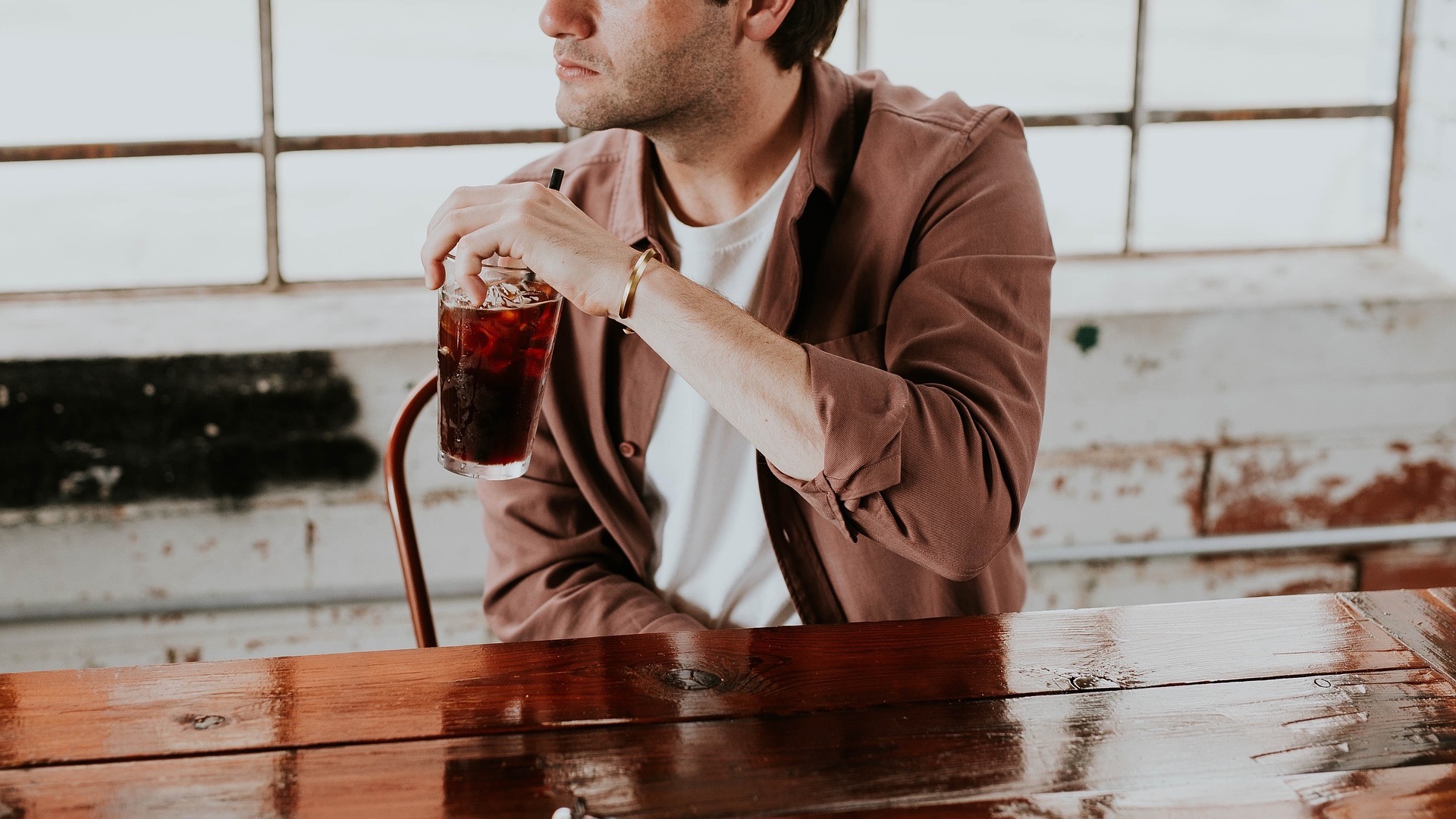
The first time I did solo dining at a proper restaurant — cloth napkins, a server expecting two — I lasted four minutes before reaching for my phone. I wasn’t seeking content; I just wanted comfort from the awkwardness.
That was years ago. Now, eating alone is one of my favorite parts of solo travel: a quiet table, a good meal, no menu negotiations—pure freedom. Getting from that first awkward time to enjoying it took practice and a few lessons I wish I’d known.
If you’re a solo traveler who’s been avoiding restaurants or defaulting to room service and street food, here’s how to overcome discomfort and unlock the freedom and enjoyment of dining alone. Here’s how my approach changed over time—and how yours can too.
Master the Solo Dining Mindset
You are not as visible as you think. The couple at the next table isn’t watching you eat alone. The group in the corner isn’t talking about the solo diner. Everyone’s focused on their own meal and conversation, not yours.
This is obvious, but internalizing it is hard. The self-consciousness of eating alone comes from within. The audience you imagine isn’t real.
Once you accept that, something relaxes. You stop performing “someone waiting for a friend” and start just… eating. And it turns out that’s quite nice. Next, let’s talk about the kind of restaurant that makes this even easier.
How to Choose the Best Restaurants for Solo Travelers
Not every restaurant is equally comfortable for solo dining, and part of the skill is knowing which environments suit you best. Loud, busy, informal spots are almost always easier than quiet, formal ones. A buzzing brasserie where everyone is packed in, and noise levels are high, is a completely different experience from a hushed fine dining room where you’re conspicuously the only table of one.
For solo dining, I gravitate toward counter-service spots where eating alone is the default, busy neighborhood bistros where the energy is high and no one notices anyone, sushi bars and ramen shops where solo dining is culturally normal and even expected, and cafés that blur the line between restaurant and workspace.
This doesn’t mean you can’t enjoy a proper restaurant solo — you absolutely can. But when starting out, choosing an environment that favors you makes it easier. Another strategy comes down to where you sit.
The Pro Move: Why You Should Always Sit at the Bar
This is the single best piece of advice I can give you. If a restaurant has a bar with food service — and most decent ones do — ask to sit at the bar. Eating at the bar transforms the dynamic entirely.
At the bar, you aren’t a solo diner at a table for two. You’re just eating at the bar, which is normal and often preferred. You have something to watch. Bartenders talk more naturally than floor servers. The bar’s energy and activity make the experience feel social, even when alone.
Some of my best meals on the road have been at restaurant bars. If sitting at the bar isn’t an option, there’s another way to make solo meals comfortable and enjoyable.
Using Books and Phones as Companions, Not Shields
There’s nothing wrong with bringing a book, a journal, or, yes, your phone to a solo meal. Having something to engage with between courses takes the edge off, and for many people it’s part of what makes solo dining genuinely enjoyable — uninterrupted reading time with a good meal in front of you is actually a luxury.
There’s a difference between using a book as a companion versus a shield. A companion improves the meal; a shield signals defensiveness. The room doesn’t need that signal. You do.
If you find yourself using your phone purely to look occupied, notice it as a cue that you may still feel self-conscious. Try putting your device away and focus on the meal—the discomfort passes more quickly than you expect, and you’ll adjust faster each time. Engaging with your server is another way to make the most of solo dining.
Turning Solo Dining into a Social Connection
Solo dining gives you a rare chance to talk to restaurant staff. In groups, you talk at your table. When alone, you’re open.
Ask your server for their recommendations or about the neighborhood. Most servers will happily engage if you show interest, regularly sharing the best local tips I’ve received, from secret bars to off-menu dishes, all because I was eating alone and had the chance to ask.
Solo dining, when you embrace it, isn’t isolating. In fact, it’s a connective travel experience—because you’re more open and available, you often make important connections with staff and locals that you wouldn’t otherwise. And if it feels awkward at first, know that the process gets easier every time you try.
Solo Dining in Europe: Where It Feels Most Natural
Europe is where solo dining stops being something you manage and starts being something you genuinely enjoy. The continent has a long tradition of eating alone in public — not as a consolation but as a legitimate way to experience a city. A few places where it works particularly well.
Vienna is the gold standard. The Viennese coffeehouse was designed, culturally and architecturally, for exactly this. You sit. You order. Nobody hurries you, nobody gives you a look, and the table is yours for as long as you want it. UNESCO named Viennese coffeehouse culture an Intangible Cultural Heritage — which is another way of saying that sitting alone with a Melange and a newspaper is not just acceptable, it is the point.
We already have 48-hour travel guides for Vienna and Paris published, with more to come.
Paris rewards the solo diner who ignores the tourist circuit. Skip the brasseries on the main boulevards and find a zinc bar in the 11th or the 6th. Sit at the bar, order a glass of something, point at whatever looks good behind the counter. The French understand completely that eating alone and eating well are not mutually exclusive.
Madrid runs on tapas culture — which is, structurally, perfect for solo dining. You move from bar to bar, order one dish and a glass at each, stay as long as you like, move on when you’re ready. Eating alone in Madrid isn’t a table-for-one situation. It’s just how dinner works.
Prague and Edinburgh both have strong pub cultures that function as natural solo dining environments — communal tables, strangers who talk to each other, no expectation that you arrived with anyone.
If you’re planning a solo trip to any of these cities, the GoingSolo.Life guide to the 10 best European cities for solo travel covers each one in depth — including where to eat, which neighborhoods to base yourself in, and how to move through each city on your own terms.
Practice Makes Perfect: Why Solo Dining Gets Easier
The first solo restaurant meal is the hardest. By the fifth or sixth, you’ll look forward to it — choosing restaurants for solo appeal, booking bar seats intentionally, lingering over a second glass of wine with a book, enjoying that you have nowhere else to be.
That’s the rewarding version of solo dining waiting for you on the other side of early awkwardness: a more confident, enjoyable experience with each meal. The key takeaway is that practice leads to authentic enjoyment.
48-Hour City Guides
Ready to Go? Grab Your Guide.
Hour-by-hour itineraries built for independent travelers.
London, Paris, Vienna, Prague, Amsterdam and more — $7.99 each.
