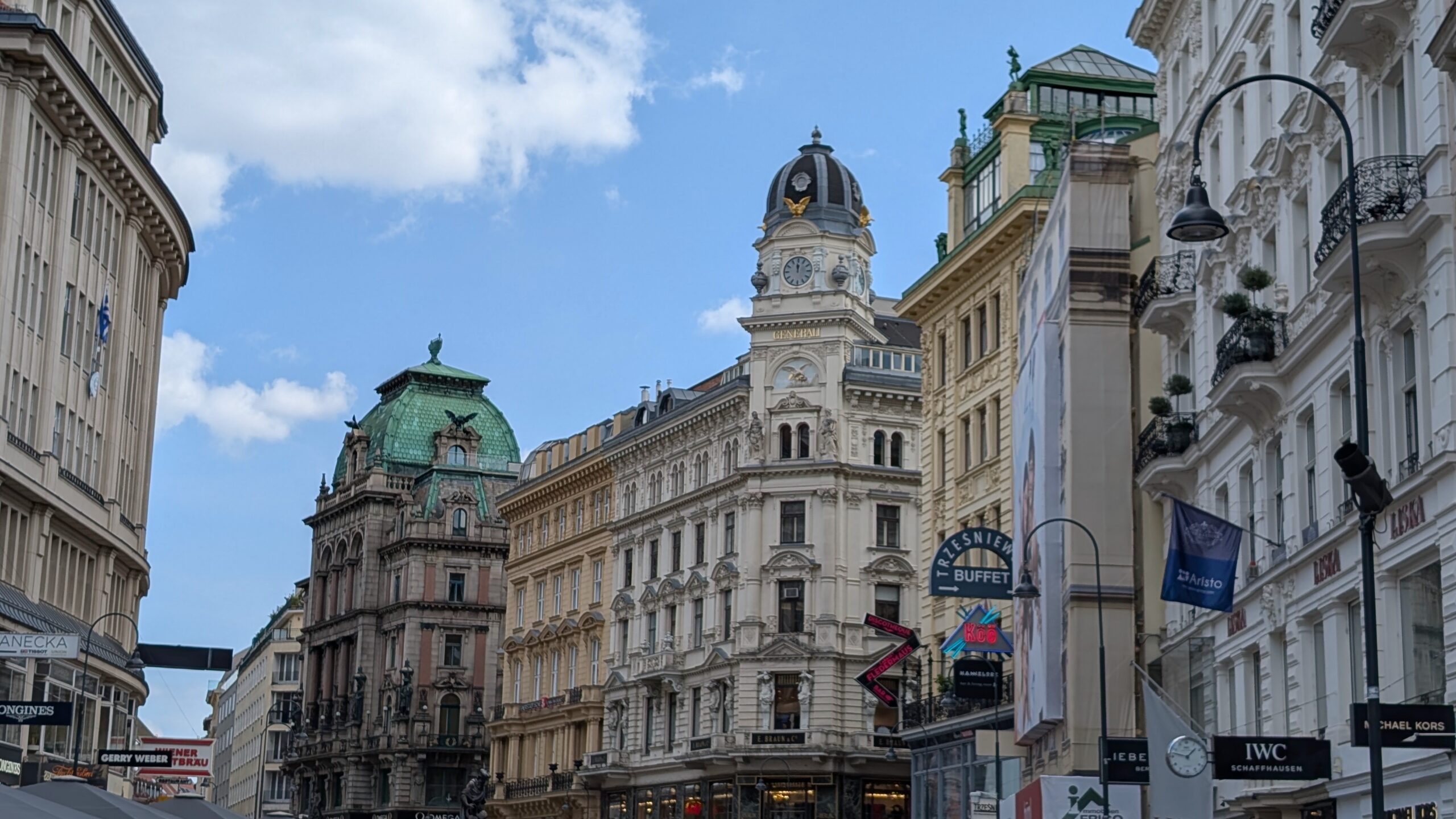
There is a moment — it happens on almost every visit, in almost every city — when you stop walking and just stand there. In Vienna, that moment tends to arrive somewhere between the Kunsthistorisches Museum and the Café Central, when you realize the city is not performing for you. It simply is. And you are simply in it.
Vienna is one of those rare European capitals that reward the solo traveler almost unfairly well. There is no awkward table for one at a grand coffeehouse — solo dining is practically a cultural institution here. The museums are immense but navigable. The public transit is so logical that it feels like a gift. And the city moves at a pace that never makes you feel like you’re chasing it.
For travelers in their 50s and beyond — the ones who have finally stopped apologizing for wanting to linger, to sit, to watch — Vienna is close to perfect.
Because we love Paris so much, we’ve published a 48-Hour guide for the city.
Why Vienna Made the List
When I started building the GoingSolo.Life 48-Hour European City Guide series, Vienna was never in question. It had to be here. It is the kind of city that feels purpose-built for independent travelers who want depth over volume — fewer Instagram checkboxes, more genuine encounters with extraordinary things.
Vienna also happens to be one of the most walkable major European capitals. The First District — the historic core inside the Ringstraße — is compact enough that a pair of comfortable shoes and a decent map will take you everywhere that matters. That matters a great deal when you’re setting your own pace.
What’s Inside the Guide
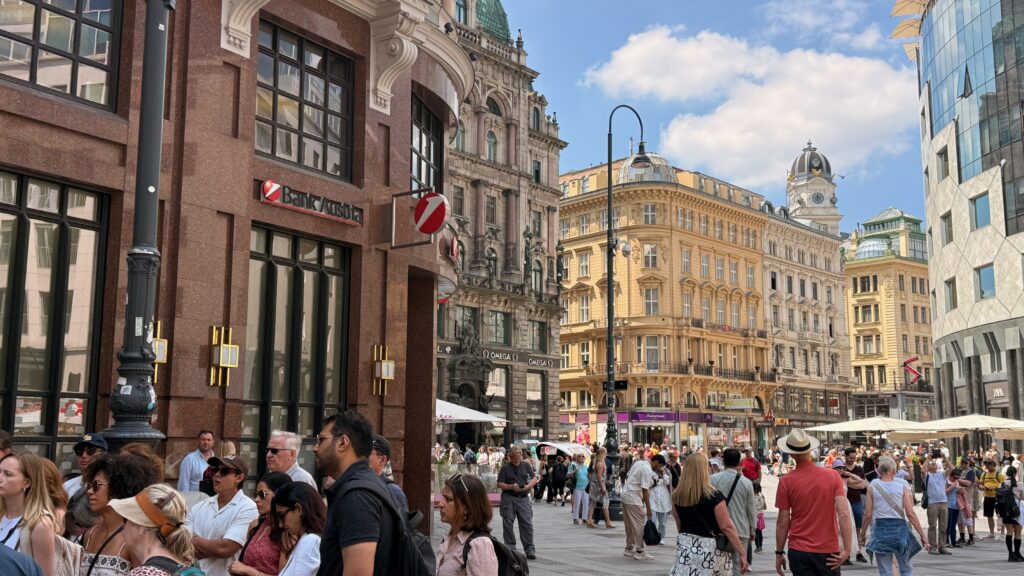
The Vienna 48-Hour City Guide is built around one simple premise: two days, done right. Not a highlights reel. Not a checklist. A real itinerary, organized around how people actually move through a city when they’re traveling alone and making their own decisions.
Inside, you’ll find a day-by-day framework you can follow as written or pull apart and rebuild around your interests. The guide covers where to stay (and the neighborhoods worth considering), which museums are genuinely worth your time versus which ones are more obligation than experience, the coffeehouse culture that defines Vienna’s social rhythm, and how to eat well — alone — without feeling like an afterthought.
There’s also a practical section on getting around, a few hard-won notes on what to skip (yes, even in Vienna, there are tourist traps), and my honest take on when to go and what to expect from the city’s quieter seasons.
A Word About Coffeehouses
I want to say something directly: the Viennese coffeehouse is one of the great solo travel institutions in the world. You sit. You order. You read, or you write, or you watch the room. Nobody hurries you. Nobody gives you a look. The newspaper rack is there if you want it. The waiter will return when you signal, not before.
UNESCO named Viennese coffeehouse culture an Intangible Cultural Heritage for a reason. The guide gives you the ones worth your time, including the grand historic rooms and a few that the locals actually use.
Part of Something Bigger
The Vienna guide is the latest in the GoingSolo.Life 48-Hour European City Guide series, which already includes London, Paris, and Munich, with Rome, Amsterdam, Barcelona, Edinburgh, Lisbon, Prague, Berlin, and Madrid coming this year. Each guide is written for the traveler who is done with being an afterthought in someone else’s itinerary.
You travel alone. That doesn’t mean you travel without a plan.
The Vienna 48-Hour City Guide is now available alongside those for London, Paris, and Munich. Travel alone. Live fully.
48-Hour City Guides
Ready to Go? Grab Your Guide.
Hour-by-hour itineraries built for independent travelers.
London, Paris, Vienna, Prague, Amsterdam and more — $7.99 each.
