Allow me tell you something that took me an embarrassingly long time to figure out as a solo traveler: that extra charge on your cruise invoice — the one that quietly doubles your cabin fare — is not inevitable. It is not a law of nature. It is not written inside the fabric of the universe. It’s a pricing policy, and, like most, it is starting to change.
If you’ve ever looked into cruising alone and balked at the “solo supplement,” I’m with you. For years, it kept solo travelers either paying extra or skipping cruises. But things are changing. Here’s what you need to know.
What Is a Solo Supplement on a Cruise — and What Does It Actually Cost?
Single Supplement vs. Solo Supplement: Is There a Difference?
A solo supplement—sometimes called a single supplement—is an extra charge for solo travelers booking a cabin built for two. Cruise lines and many hotels price their rooms for double occupancy. If you take that space alone, you’ll usually pay 50% to 100% more on top of the per-person rate to make up for the cruise line’s “lost” revenue.
In practice, this means a solo traveler can pay 150% to 200% of the standard per-person fare—paying for a room built for two, even though there’s only one of you. This stings—financially and philosophically—because you’re penalized for traveling on your own terms. So, how did this policy start?
Why Do Cruise Lines Charge a Solo Supplement?
The Double-Occupancy Business Model Explained
To understand why solo supplements exist, you have to go back to how the cruise industry was built. When modern cruising took shape in the 1960s and 70s, it was marketed almost exclusively as a couples’ and family experience. The ships were designed around double-occupancy cabins. The business model’s economics depended on two passengers per room, two at the dinner table, and two buying drinks at the bar.
Cruise lines didn’t design ships for solo travelers. Single cabins were nearly nonexistent. If you wanted to sail alone, you had to find a roommate or pay extra to sleep solo.
For decades, this extra charge was simply accepted as the cost of solo travel. The supplement became as normalized as port fees or gratuities, rarely questioned. Cruise companies kept it in place because solo travelers who wanted to cruise usually paid. But as the industry evolved, so did traveler expectations.
Which Cruise Lines Are Waiving the Solo Supplement in 2026?
Norwegian Cruise Line Studio Cabins: The Solo Traveler Game-Changer

Now, solo travel is booming, and the cruise industry has noticed. More people travel alone than ever, driven by changes in relationships and a growing interest in solo adventure. Solo travelers are finally recognized as a market.
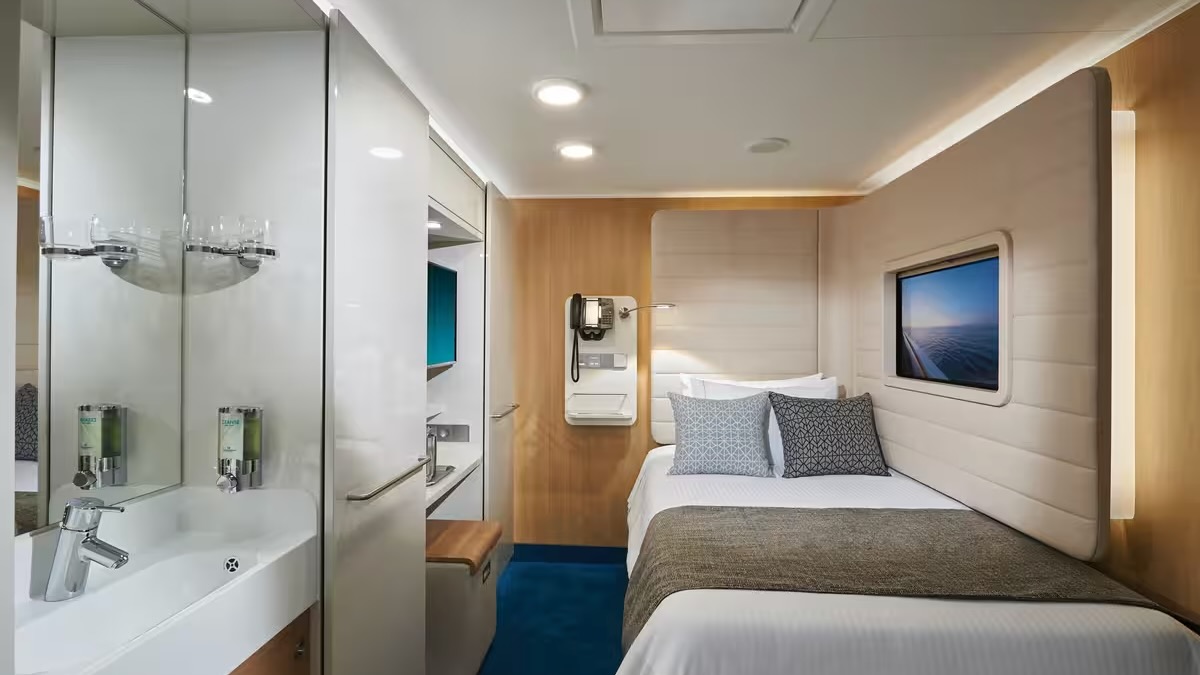
And cruise lines have noticed. Norwegian Cruise Line was one of the first major operators to make a genuine structural devotion to solo travelers, introducing dedicated Studio cabins on several ships — single-occupancy rooms designed specifically for one person, priced accordingly, with no supplement. The Studios even have their own exclusive lounge. It was a bold move, and it worked.
Bryan is actually booked into a Studio cabin on the Norwegian Luna this September — his first sailing with NCL — and the no-supplement pricing was a big part of what made the decision easy. Other lines have been paying attention.
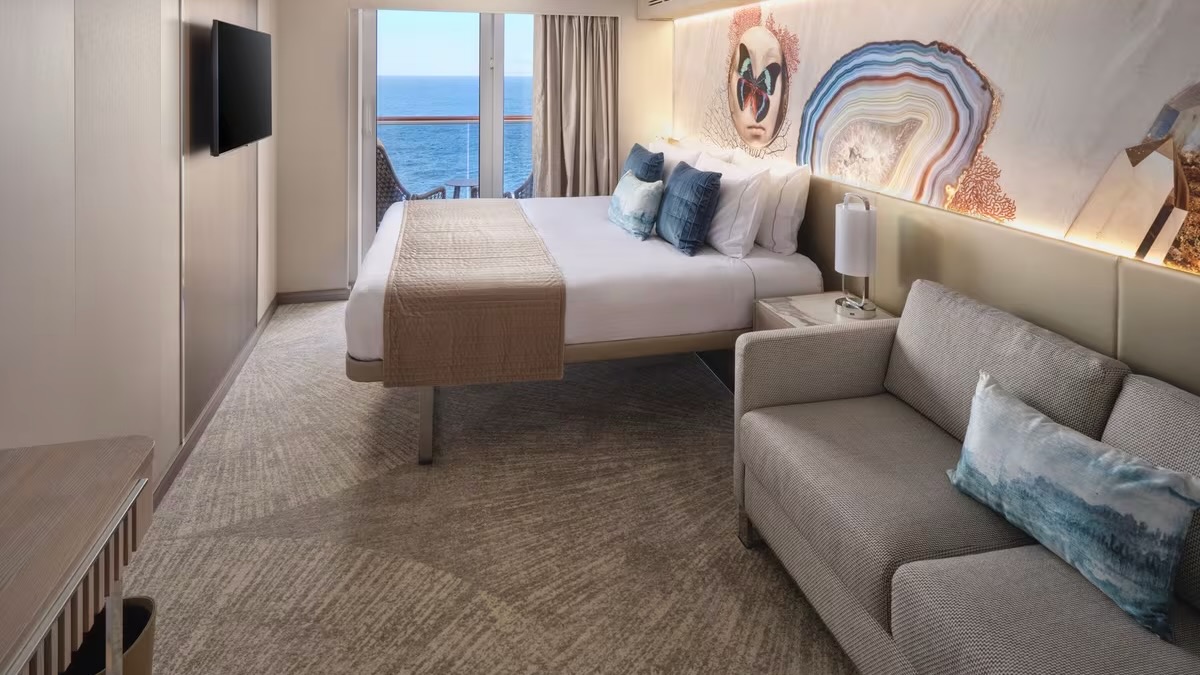
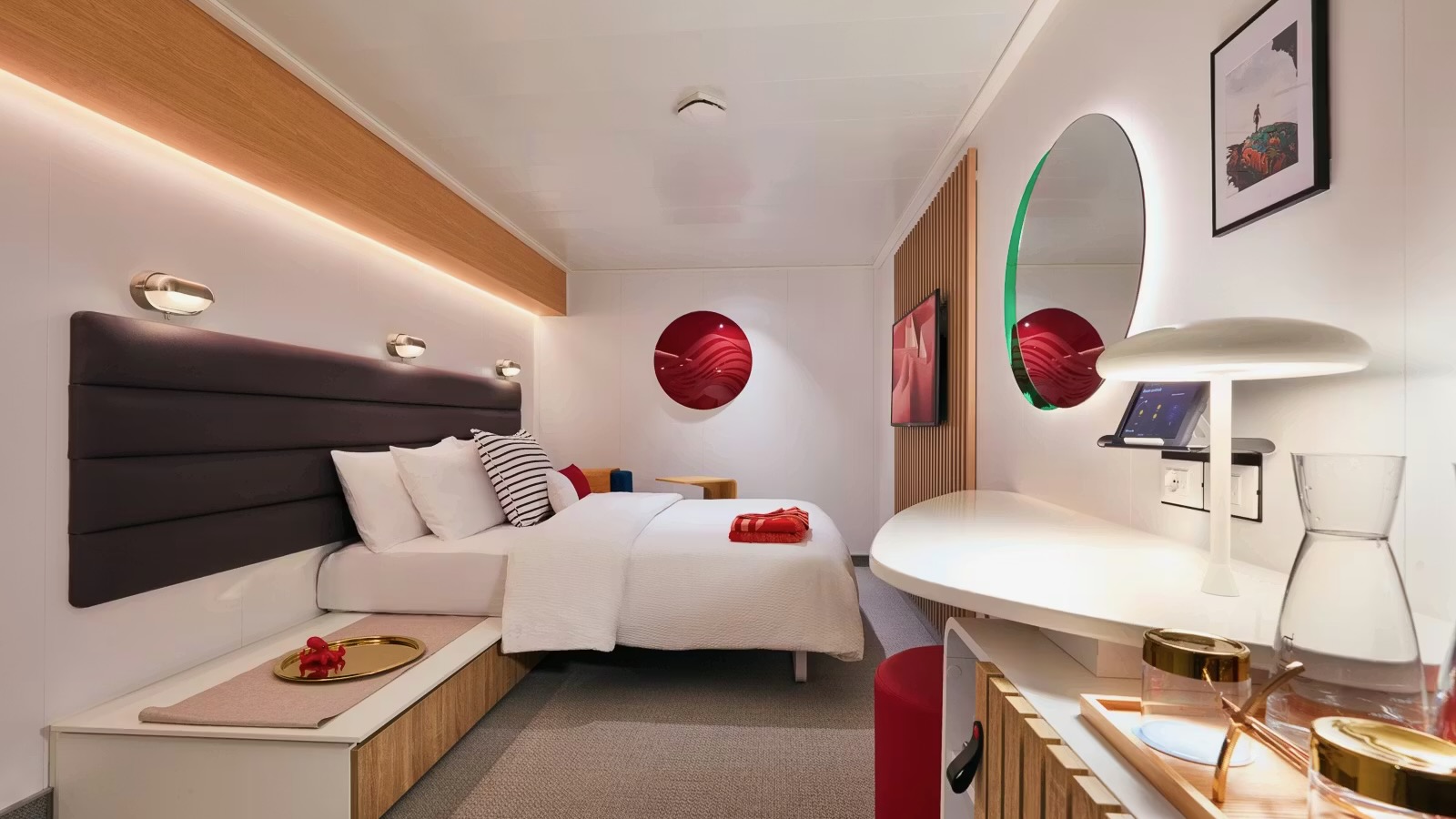
Celebrity Cruises, Virgin Voyages, and MSC now offer solo-friendly pricing and single cabins on select ships. Virgin Voyages has built its reputation on making solo travelers a priority, with some of the most generous solo policies in cruising.
Beyond dedicated cabins, cruise lines now offer periodic promotions that waive or reduce the solo supplement—sometimes dropping it to 110% or even 100% of the per-person rate. These deals become more common during wave season (January through March), thus flexibility can mean significant savings for solo cruisers.
How to Avoid the Solo Supplement: 5 Strategies That Actually Work
Book a Single-Occupancy Cabin When Available

This is the practical part, so let’s get into it. There are several real strategies for minimizing or eliminating the solo supplement, and none require compromising the quality of your trip.
Book a single cabin if available. Norwegian’s Studio cabins are the gold standard; other lines are adding solo options. Single cabins are smaller, but they’re designed and priced for one person—no supplement. The space trade-off is usually worth it.
Watch for solo supplement waivers. Cruise lines run these more often than you think, especially during slow periods. Sign up for email alerts, follow deal sites, and work with cruise-focused travel advisors—they’ll know about promotions first.
Consider repositioning cruises, where ships move between regions. These sailings are less popular, so cruise lines often reduce or waive solo premiums. The trips can also be spectacular.
Look at inside cabins on longer cruises. On these sailings, cruise lines want to fill all rooms and may offer better solo pricing on interior cabins. You save money without paying for a view you rarely use.
Try Virgin Voyages. Their solo pricing differs from traditional cruise pricing. The ships serve solo travelers far beyond just the fare.
Is the Cruise Industry Finally Becoming Solo-Traveler Friendly?
How to Advocate for Yourself Every Time You Book
The solo supplement isn’t dead yet. On many ships and many itineraries, you’ll still encounter it, and on some luxury lines, it remains firmly fixed at 200%. But the direction of travel — no pun intended — is clear. The cruise industry is slowly but meaningfully restructuring itself around the reality that solo travelers are here, they’re spending, and they deserve a fair deal.
The best thing you can do as a solo traveler is to stop assuming the supplement is unavoidable and start asking the question every time you book. Call the cruise line. Ask your travel advisor. Check the current promotions. The answer will surprise you more often than you expect.
Traveling solo is one of the most rewarding things you can do—and with the cruise industry catching up, more fair prices and options are finally available. Remember: the solo supplement is not a given. Always check, ask, and look for deals. Being proactive can open a cruise adventure on your terms, without needless extra costs. Don’t let an outdated pricing policy keep you from your solo journey—the opportunity is yours now more than ever.
48-Hour City Guides
Ready to Go? Grab Your Guide.
Hour-by-hour itineraries built for independent travelers.
London, Paris, Vienna, Prague, Amsterdam and more — $7.99 each.
