Portugal has quietly become one of Europe’s most irresistible destinations. Each year, tens of millions of travelers are drawn to its Atlantic coastline, mild climate, rich cuisine, and layered history — from Roman settlements to the Age of Discovery. In 2025 alone, the country welcomed around 32.5 million visitors, with nearly 20 million arriving from abroad. Many come for the beaches of the Algarve or the wine regions of the north, yet cities remain the true cultural anchors. Many of these are solo travelers.
And if there’s one city you cannot skip, it’s the capital. Lisbon — perched across seven hills overlooking the Tagus River — blends old-world charm with effortless energy. Visitors come for its iconic yellow trams, tiled façades, historic districts like Alfama, and landmarks such as Belém Tower and Jerónimos Monastery.
For history specifically, Lisbon stands apart. It covers multiple periods in one city: Roman foundations, medieval Moorish influence, the Age of Discoveries, and post-1755 earthquake reconstruction. Most visitors stick to the obvious sites, but much of that history sits just outside the standard routes. Here are 10 hidden historic sites in Lisbon worth seeking out.
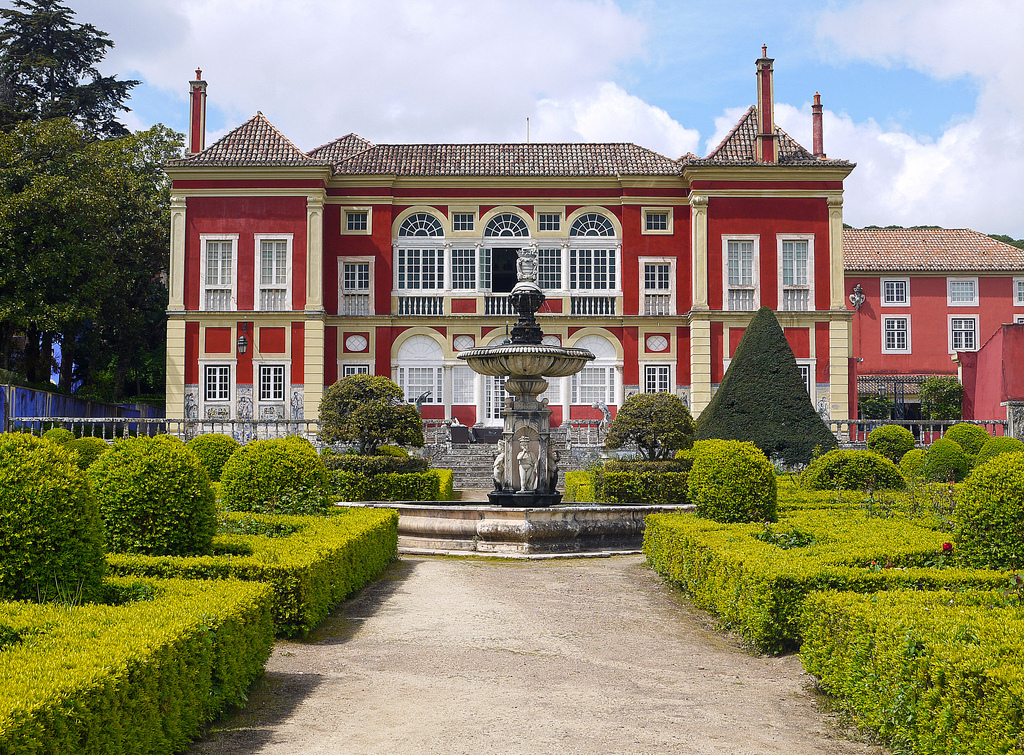
1. Palácio dos Marqueses de Fronteira
Built in 1671–1672 as a hunting pavilion for João de Mascarenhas following the Portuguese Restoration War, the palace later became the family’s main residence after the 1755 earthquake. Today it remains privately inhabited but partially open to visitors. What stands out is its original 17th-century azulejos — the largest in-situ collection in Lisbon — particularly in the “Battle Room,” which depicts real war scenes in extraordinary detail.
The baroque gardens, with fountains, busts of Portuguese kings, and tiled terraces, are among the most carefully preserved historic garden designs in the city.
2. Mãe d’Água das Amoreiras
Before modern infrastructure, Lisbon’s water supply ran through one of the most ambitious engineering projects in the city’s history. Mãe d’Água das Amoreiras, completed in 1834 as the terminal reservoir of the Águas Livres Aqueduct, stored and distributed water across the city. Inside, a vast 7.5-meter-deep tank sits beneath symmetrical stone arches. Visitors can walk the perimeter galleries and access the rooftop for views of Lisbon’s historic aqueduct network.
3. Reservatório da Patriarcal
Built in 1864 to regulate water from the Águas Livres system, the Reservatório da Patriarcal sits hidden beneath Príncipe Real Garden. Unlike larger reservoirs, it features a compact circular design with a central column supporting a vaulted dome. Visits are limited and available only through the Water Museum, which keeps crowds minimal. Inside, expect low light and narrow access — wear sturdy shoes. Combine it with nearby viewpoints for a practical stop in the same neighborhood.
4. Igreja de São Domingos
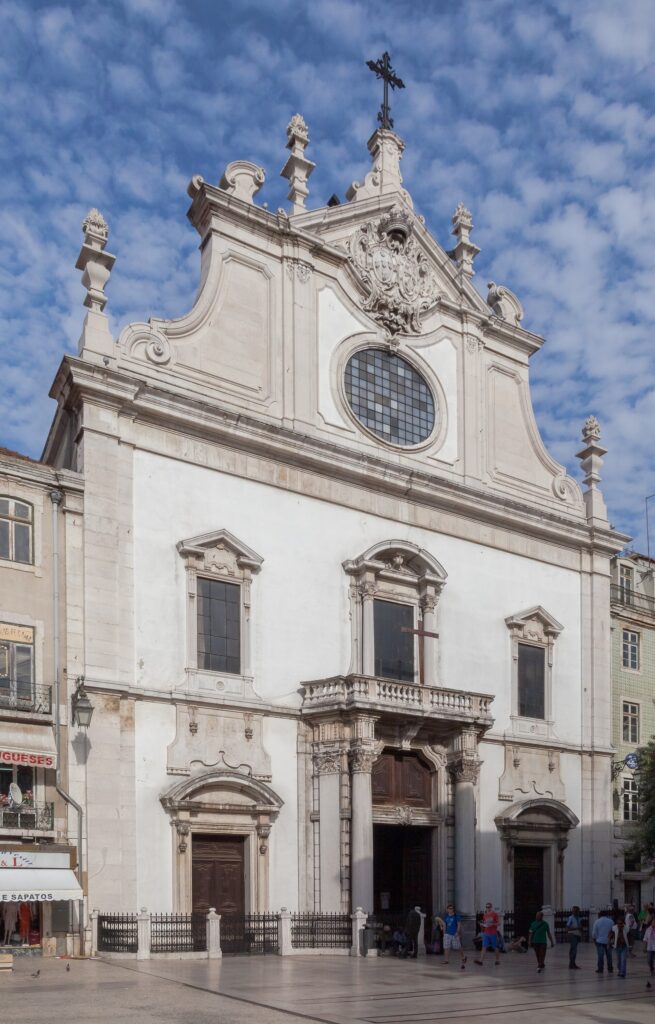
Few places in Lisbon carry history as visibly as Igreja de São Domingos. Originally built in the 13th century, it has survived earthquakes, fires — including a devastating 1959 blaze — and centuries of upheaval. Its scarred red interior remains deliberately unrestored, preserving layers of damage. The church also stands on the site linked to the 1506 Lisbon massacre. Visit for its raw atmosphere, towering columns, and one of the most affecting historical spaces in the city.
5. Roman Theatre of Lisbon
The Roman Theatre of Lisbon is the city’s clearest physical link to its ancient past. Built in the 1st century AD during the reign of Emperor Augustus, the theatre once seated around 4,000 spectators in what was then known as Olisipo. Buried for centuries and only rediscovered after the 1755 earthquake, its remains are now partially exposed in Alfama. Visit the adjacent museum to understand the original layout, then step outside to view the seating and stage. Entry is low-cost; access is easy from Sé Cathedral, and it pairs naturally with a walk through the surrounding historic streets.
6. Convento de São Vicente de Fora
This monastic complex is a major historical site that most visitors walk past without stopping. And yet, it should be visited as part of any sort of guided itinerary. Commissioned in 1582 by Philip II of Spain following the Iberian Union, it became one of Lisbon’s most important religious centers. Inside: extensive azulejo panels illustrating La Fontaine’s fables, large cloisters, and the royal pantheon housing the Braganza dynasty tombs. Don’t skip the rooftop — it offers one of the finest panoramic views over Alfama and the Tagus. Entry is ticketed but rarely crowded, making it easy to move at your own pace.
7. Tapada das Necessidades
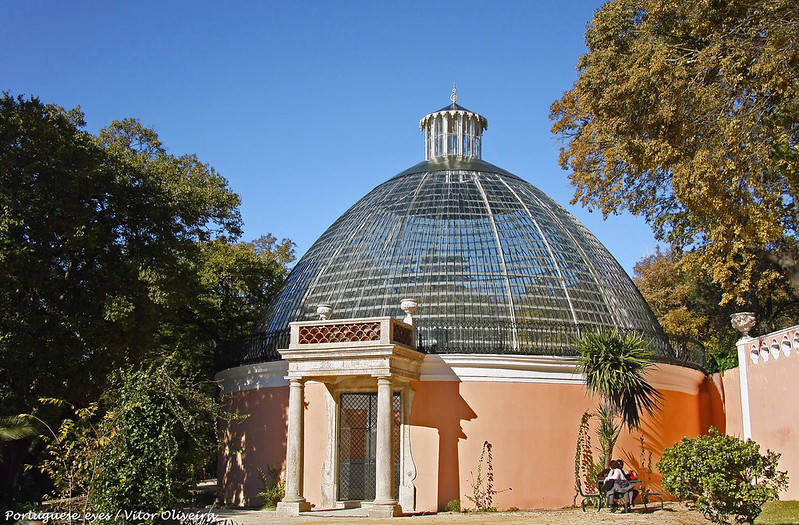
Originally developed in the 18th century under King John V, Tapada das Necessidades served as royal gardens attached to the nearby palace. Partial neglect over the years has left it genuinely unusual: abandoned greenhouses, hidden lakes, roaming peacocks, and landscaping that reflects its royal history without any attempt to restore or package it. Entry is free and crowds are rare. Visit during daylight, keep to the main paths, and pair it with a walk past Necessidades Palace. It’s one of the few places in Lisbon where history and decay coexist openly.
8. Capela de Santo Amaro
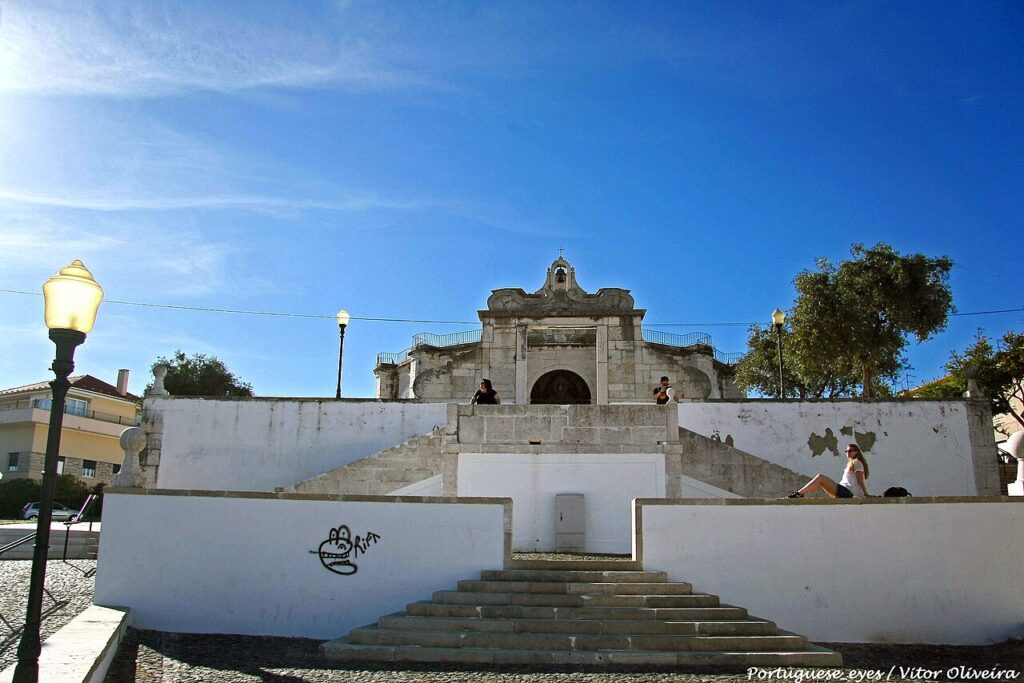
Built in the 16th century, Capela de Santo Amaro is notable for its rare circular Renaissance design — a dome above, original azulejos within — and its position on a hill in Alcântara with clean panoramic views over the Tagus and the 25 de Abril Bridge. The chapel is often closed, so check opening hours or look for events that allow access. Even from outside, the elevated position alone justifies the visit.
9. The Lisbon History Tunnel
Tucked beneath Miradouro das Portas do Sol, this small underground passage moves through archaeological remains linked to medieval and earlier structures in Alfama, with interpretive panels covering key periods of the city’s development. Access is limited and easy to miss — look for the discreet entrance near the viewpoint. It’s a quick stop, ten to fifteen minutes, but it adds real context before you explore the surrounding streets.
10. Panorâmico de Monsanto
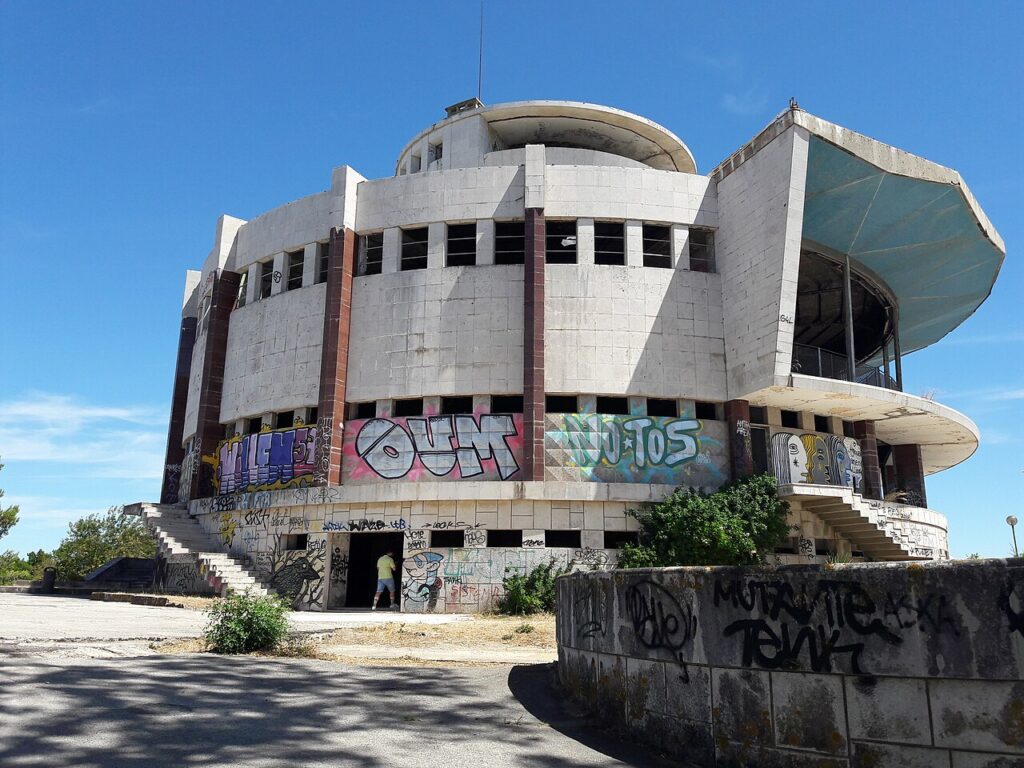
Panorâmico de Monsanto was built in 1968 as a modernist restaurant and viewpoint, abandoned in the 1970s, briefly repurposed, then left to fall into disuse again. Today it functions as a public viewpoint within Monsanto Forest Park — stripped down, covered in street art, and offering one of the widest 360° views over the city. Access is free. Reach it by car, taxi, or a long uphill walk. Go near sunset for the best visibility, and wear proper shoes — the surfaces are uneven.
48-Hour City Guides
Ready to Go? Grab Your Guide.
Hour-by-hour itineraries built for independent travelers.
London, Paris, Vienna, Prague, Amsterdam and more — $7.99 each.
