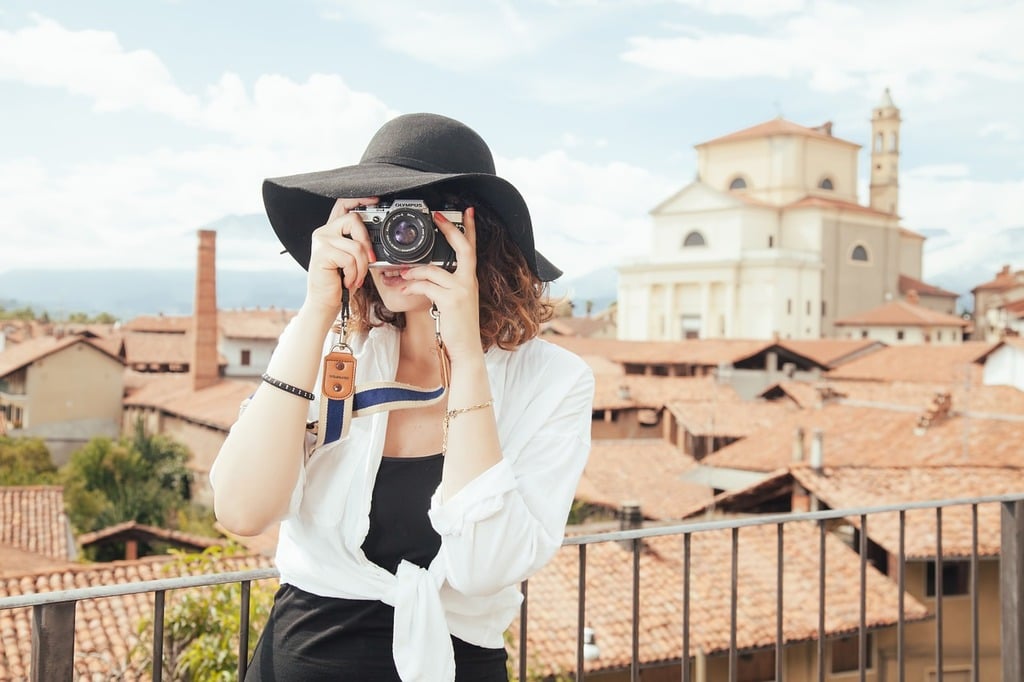
Solo travel isn’t some niche trend anymore. It’s quietly becoming the norm. Nearly 47% of global travelers say they often travel alone, while around 36% of U.S. travelers plan solo trips, and the market itself is now worth over $500 billion and growing fast.
Add in the fact that younger travelers are leading the shift, and it’s clear: people aren’t waiting around for company anymore. They’re going. Still, traveling solo comes with its own set of worries: safety, loneliness, and yes… how on earth you’re supposed to get good photos of yourself. However, don’t panic. We’ve got you covered with simple, practical ways to actually capture great shots…no travel buddy required.
1. Use a Tripod (or a Stable Substitute) Every Time You Can
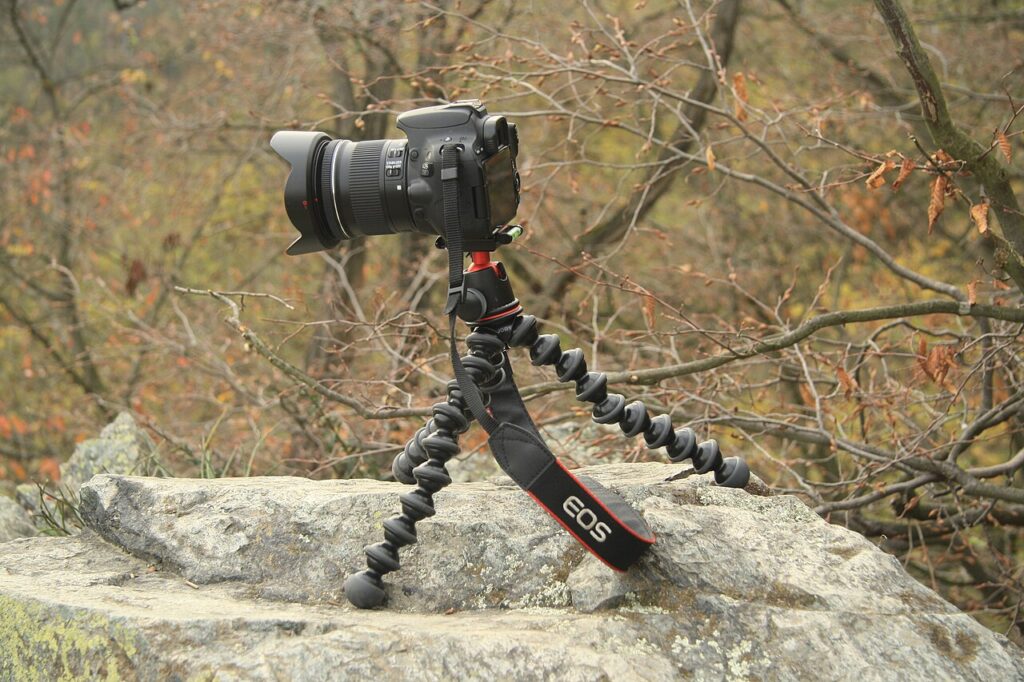
A tripod is the single most reliable way to get consistent solo travel photos. Travelers who carry lightweight gear report higher satisfaction with their photos, especially when traveling alone. A compact tripod like the Joby GorillaPod lets you stabilize your camera on uneven surfaces: railings, rocks, benches. No tripod? Use a flat surface and prop your phone with a wallet or water bottle. Stability matters more than anything; even slight shake ruins sharpness. Combine this with a timer or remote shutter, and you instantly move from rushed snapshots to intentional, composed photography.
2. Master the 10-Second Timer (But Don’t Use It Blindly)
Most people use the timer wrong. They press it, run, and hope for the best. Instead, test your frame first. Stand in position, take a few test shots, then activate the timer. Pre-visualizing your composition dramatically improves results. Use burst timer mode if your phone has it, so it captures multiple frames. That way, you’re not stuck with one awkward pose. Also, count your steps: know exactly how long it takes to get into position. The goal is control, not chaos. Treat it like a mini photoshoot, not a race.
3. Use a Bluetooth Remote for Natural Poses
A Bluetooth shutter remote eliminates the biggest problem with solo photos: awkward timing. Instead of running into frame, you stay relaxed and shoot naturally. Many photographers recommend this method because it allows micro-adjustments in posture and expression. You can find affordable remotes that pair instantly with your phone. Research shows that natural, candid-style images perform significantly better in engagement than staged ones. This tool helps you achieve that. Keep the remote hidden in your hand or pocket, and take multiple shots while shifting slightly. It turns a stiff pose into something that looks spontaneous.
4. Shoot During Golden Hour (Lighting Does Half the Work)
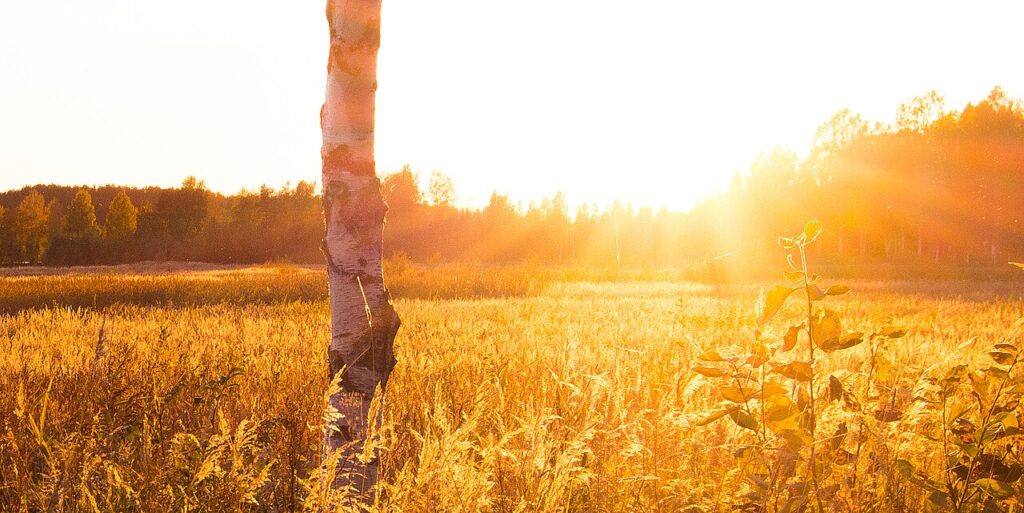
Lighting is everything. Early morning and late afternoon, known as “golden hour,” produce softer shadows and warmer tones. Natural light during these times reduces harsh contrasts and flat skin tones. Midday light, especially in Europe, can be brutal and unflattering. Plan your shoots around sunrise or sunset when possible. If you’re in a busy destination, early morning also means fewer crowds, giving you cleaner compositions. You don’t need editing tricks when your lighting is right. In many cases, this alone will elevate your photos more than any expensive gear ever could.
5. Frame Yourself Using the Rule of Thirds
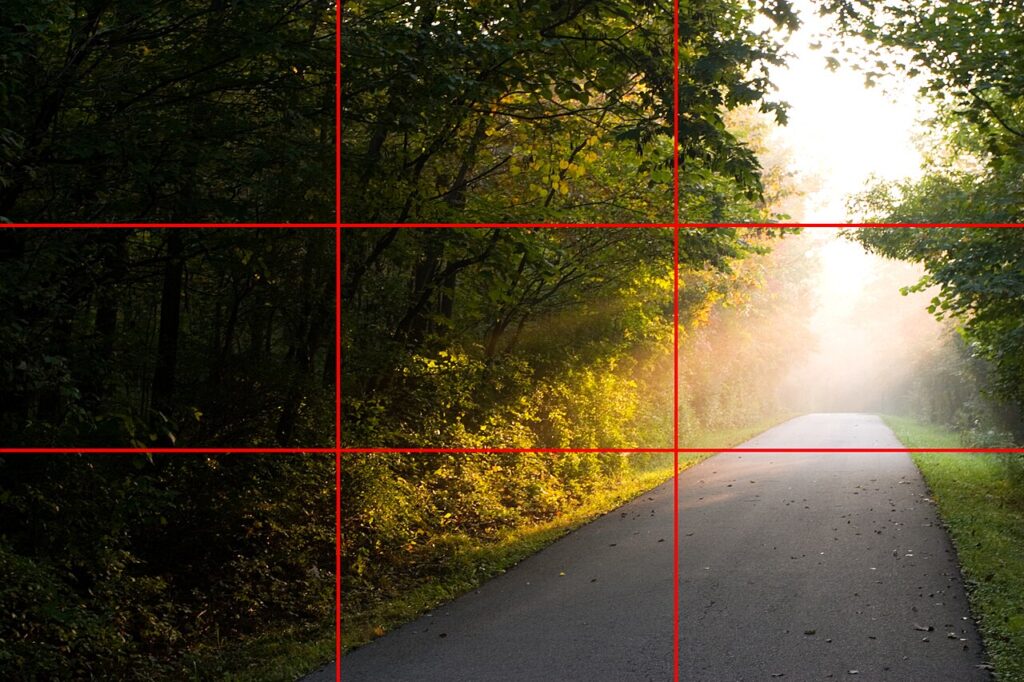
The rule of thirds isn’t just theory. It’s one of the most consistently used techniques in professional photography. Enable grid lines on your phone and position yourself slightly off-center rather than directly in the middle. This creates balance and visual interest. Research from Canon highlights that asymmetrical composition draws the viewer’s eye more effectively. For example, place yourself on one vertical grid line while letting the background…mountains, canals, architecture…fill the rest. It instantly makes your image feel more “editorial” rather than like a quick snapshot. Small shift, big difference.
6. Shoot More Than You Think You Need (Then Edit Ruthlessly)
Professional photographers rarely rely on one shot. They take dozens. High-performing images often come from larger batches where subtle differences matter. Change your pose slightly every few seconds: adjust your stance, turn your head, shift your weight. Later, delete aggressively and keep only the strongest images. This isn’t overkill. It’s strategy. When you’re shooting solo, you don’t get instant feedback from someone else, so volume increases your chances of capturing a genuinely strong moment.
7. Use Burst Mode for Movement Shots
Movement adds life to photos: walking, turning, adjusting your jacket. Use burst mode to capture a sequence instead of trying to time one perfect shot. This technique is widely recommended by sports and travel photographers because it increases the likelihood of capturing natural motion.
Burst mode can capture up to 10 frames per second on newer devices. That’s a massive advantage when you’re working alone. Later, choose the frame where your posture, expression, and movement align. It’s one of the easiest ways to avoid stiff, posed images.
8. Ask Strangers…But Be Specific
Yes, asking someone to take your photo still works, but the key is direction. Don’t just hand over your phone and hope. Frame the shot first, set the exposure, and tell them exactly where to stand. Many travelers report better results when asking other tourists rather than rushed locals. According to Tripadvisor insights, shared context (tourists helping tourists) leads to greater patience and effort. Show them an example photo if possible. It takes 10 extra seconds, but it can be the difference between a usable image and a missed opportunity.
48-Hour City Guides
Ready to Go? Grab Your Guide.
Hour-by-hour itineraries built for independent travelers.
London, Paris, Vienna, Prague, Amsterdam and more — $7.99 each.
