
Packing for two weeks in Europe sounds like it should require a large suitcase and backup options for every scenario. It’s tempting to go this route, but it really isn’t necessary, though. The difference between overpacking and getting it right usually comes down to strategy and not volume. After multiple long stays across Italy, France, and beyond, this is the exact packing system that consistently works without leaving me wishing I had more.
This isn’t a theoretical list, either. It’s what fits into a carry-on, holds up across different climates, and still looks intentional whether you’re walking through a historic city center or sitting down at a nicer dinner. The goal is pretty simple—fewer pieces, more flexibility, and no wasted space.
Clothing That Actually Carries the Trip
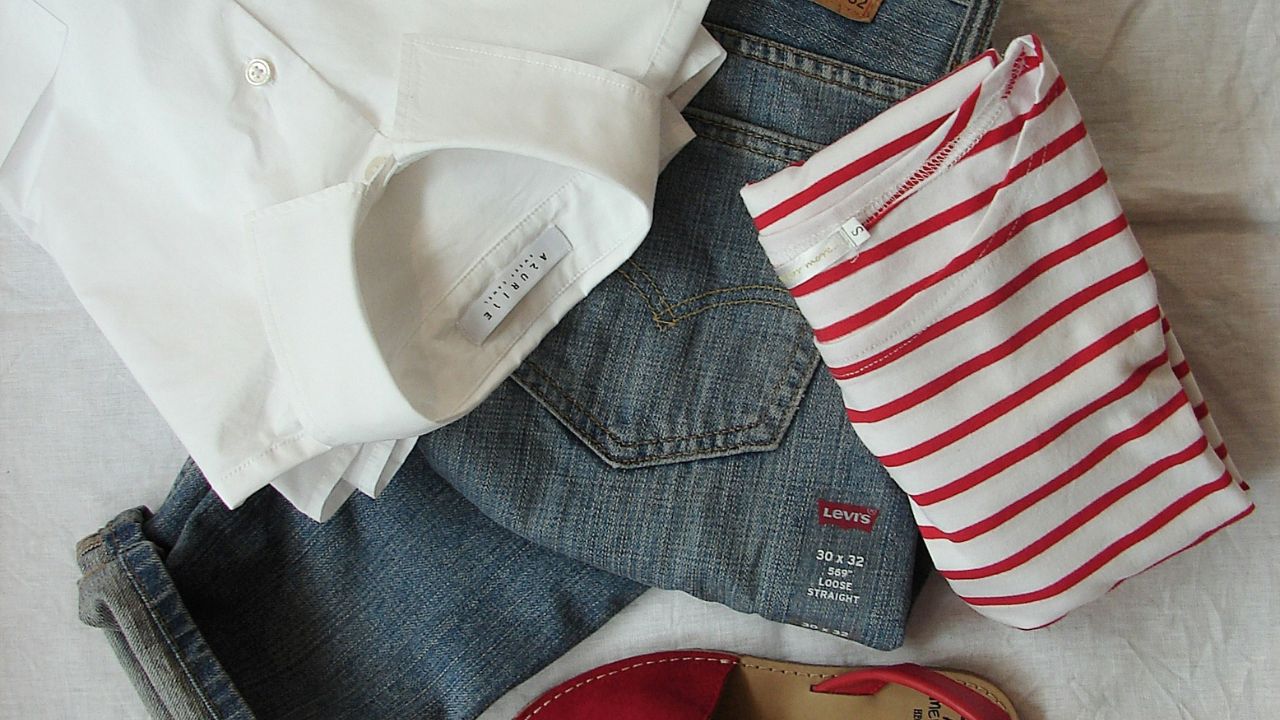
The foundation of this packing list is a tight rotation of pieces that can be worn multiple ways. Everything earns its place around here.
Start with tops. Five to seven is enough, depending on how often you plan to do laundry. Stick to a neutral palette so everything works together without thinking about it. A mix of lightweight tees, one or two more structured tops, and something slightly elevated for evenings covers most situations.
Bottoms are where people tend to overpack. You don’t need five pairs. Three is usually the sweet spot; grab one pair of comfortable trousers or jeans, one lighter option like linen pants or a skirt, and one wildcard depending on your style. If you’re traveling in warmer months, that might be a dress. If it’s cooler, swap in a second pair of pants.
Layering matters more than bulk here folks. A single light jacket or blazer goes a long way, especially in places where temperatures drop at night. Add one sweater or cardigan, and that’s enough to handle most shifts in weather.
Shoes are non-negotiable in Europe because you’ll walk more than you expect. Two pairs is ideal, three max. One should be a reliable walking shoe that you’ve already broken in. The second can be something slightly more polished but still comfortable. If you insist on a third, make it situational, like if you plan to go on a date.
Undergarments are straightforward; pack for about a week and plan to do laundry. It cuts your load in half without adding much inconvenience.
The main thing to focus on here is restraint. If an item only works in one outfit or for one specific scenario, it doesn’t make the cut.
The Non-Negotiables That Make Travel Easier
Beyond clothing, a few essentials consistently make travel smoother. A compact laundry setup is worth bringing. A small packet of detergent or laundry sheets and a travel clothesline can save you from overpacking or relying on expensive services. Even washing a few items in the sink extends your wardrobe significantly.
A lightweight tote or foldable bag becomes useful almost immediately. Whether it’s groceries, a beach day, or just carrying layers you’ve taken off, it ends up being one of the most-used items in your bag. Trust me.
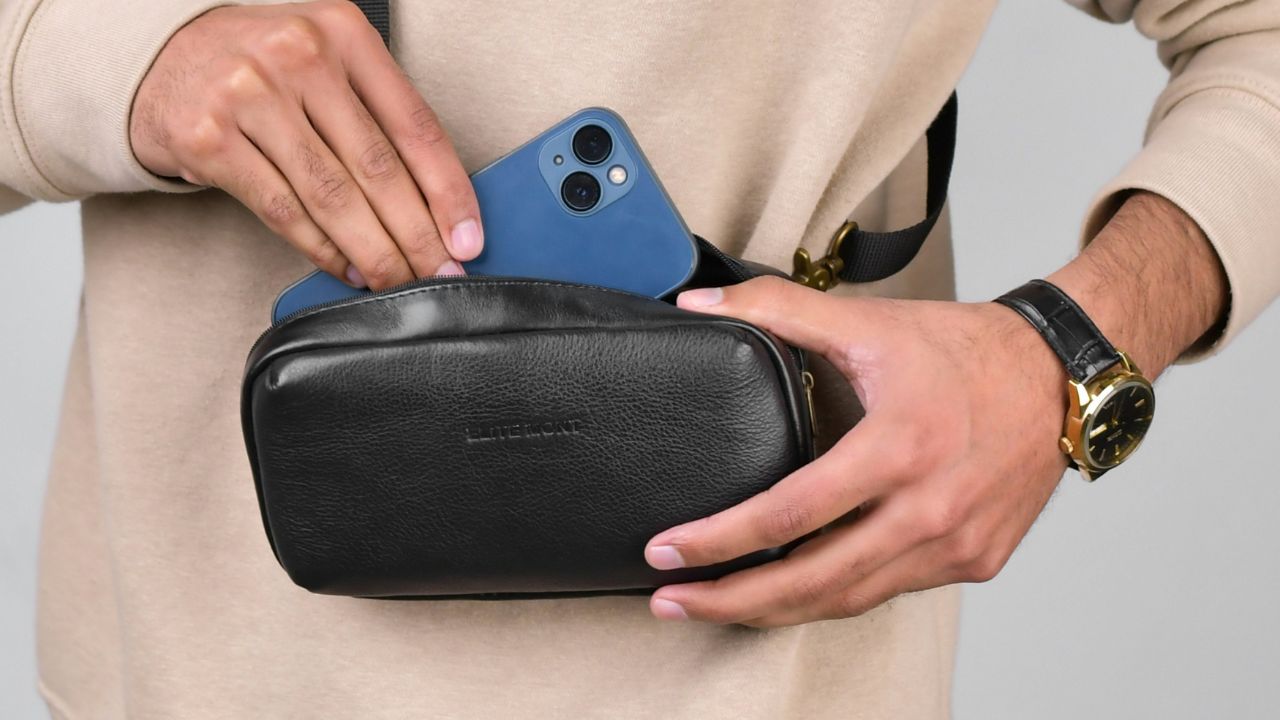
A crossbody bag or secure day bag is another must. European cities are walkable, crowded, and often require hands-free movement. Something that closes securely and sits close to your body is practical and super convenient when it comes to reaching for your card to pay for something, or keys to wherever you’re staying.
Adapters are obvious, but a multi-port charger is the upgrade most people skip. It cuts down on clutter and keeps everything charged without needing multiple outlets.
A refillable water bottle is worth the space, especially in cities where public fountains are common. It saves money and reduces the need to constantly buy drinks.
Toiletries Without Overthinking It
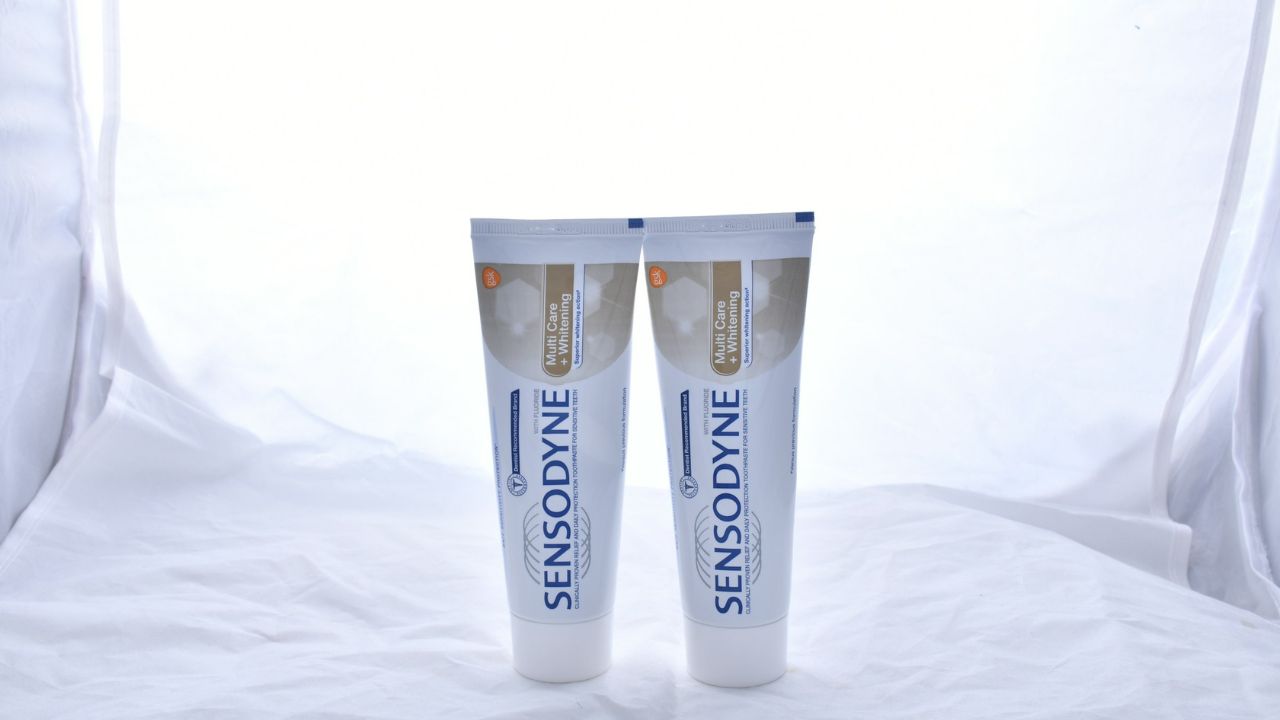
Toiletries are another area where it’s easy to overdo it. The reality is that most things can be replaced if needed, and European pharmacies are well-stocked.
Stick to travel-sized versions of your essentials: toothbrush, toothpaste, skincare basics, and any daily-use items you rely on. Avoid packing full-size bottles unless there’s a specific reason.
Hair tools depend on your routine, but keep voltage differences in mind. In many cases, it’s easier to simplify your styling rather than bring bulky tools that may not work properly.
Makeup, if you wear it, should follow the same logic as clothing. Versatile, minimal, and easy to apply. This isn’t the trip for a full kit.
One thing that is worth packing is a small first-aid or emergency kit. Basic medications, pain relievers, and anything specific you might need can save you time and stress. ESPECIALLY if you have children in tow.
Documents and Tech That You Actually Need
This category is less about volume and more about not forgetting critical items.
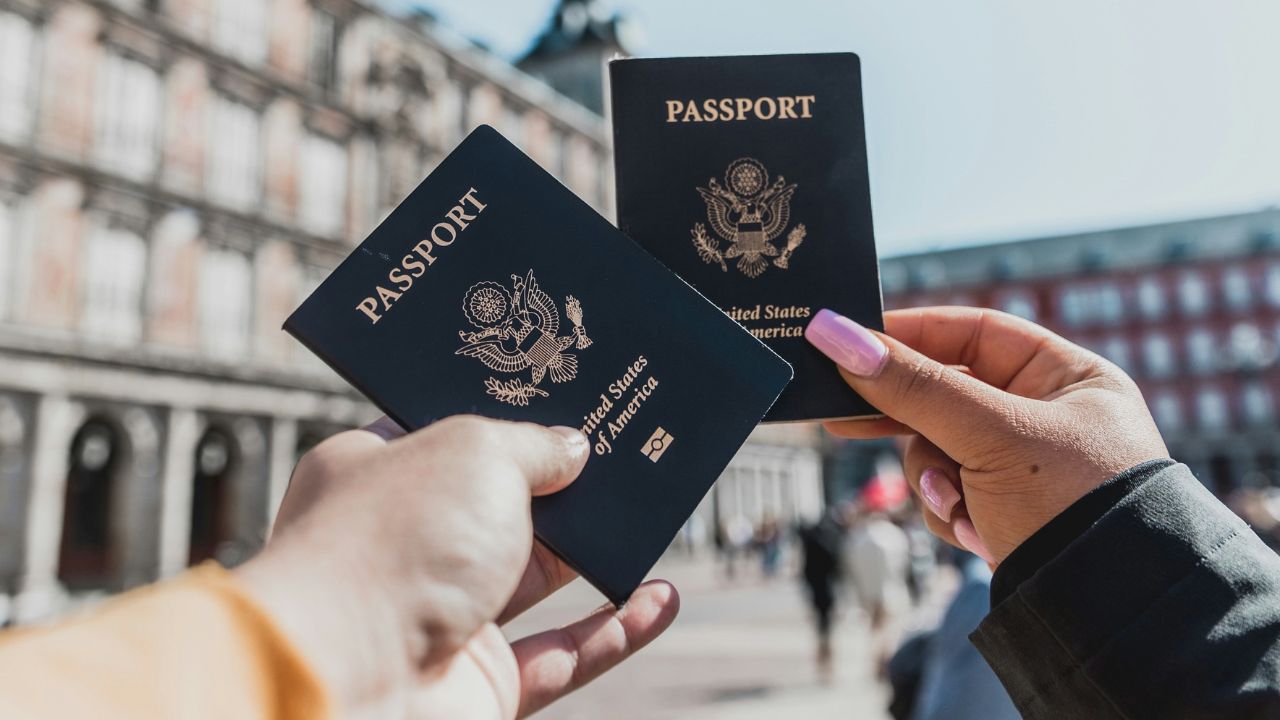
You’ll obviously need your passport, but it’s worth having a digital copy saved securely as well. Travel insurance details, reservation confirmations, and any important documents should be accessible offline.
Your phone does most of the heavy lifting, from navigation to tickets to communication. Make sure you have a plan for data, whether that’s an international plan or a local SIM.
Headphones are useful for flights, trains, and downtime. A portable charger is even more important. Long travel days and navigation apps drain your battery faster than expected.
If you’re working while traveling, a lightweight laptop or tablet makes sense, but this is where you need to be honest about your actual usage. If you won’t open it, don’t bring it.
What I Stopped Packing (And Don’t Miss)
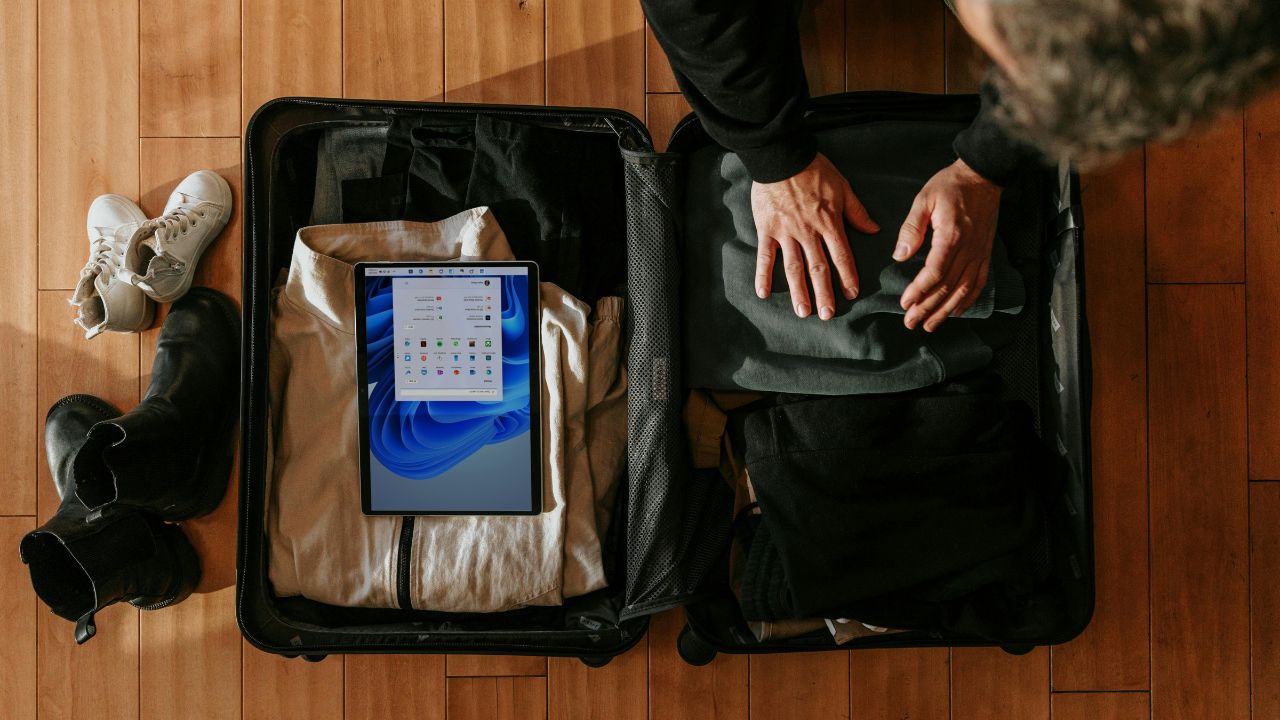
The biggest improvement in packing came from cutting things out. Extra “just in case” outfits are usually the first to go. They take up space and rarely get worn. The same goes for bulky accessories that don’t add much value.
Multiple jackets or heavy layers are unnecessary if you plan correctly. One well-chosen piece does more than three mediocre ones. Full-size toiletries, backup shoes, and overly specific items all fall into the same category. They feel useful when you’re packing, but become dead weight once you arrive.
Another common mistake is packing for a hypothetical version of your trip instead of the actual one. If your itinerary is mostly city-based, you don’t need outfits for activities you’re not realistically doing.
How It All Fits Together

This entire packing list fits into a standard carry-on suitcase and a personal item. That’s intentional, and you’ll thank yourself for being efficient instead of excessive.
Traveling with less changes how you move, too. You’re faster through airports, more flexible with transportation, and not dealing with the annoyance of heavy luggage on cobblestone streets or stairs.
It also makes the decision-making process easier once you’re there. Fewer options mean less time figuring out what to wear and more time actually enjoying where you are.
The goal isn’t to pack as little as possible, but it is to pack exactly what you’ll use. Two weeks in Europe doesn’t require more stuff, it just requires a better system. Organization always wins.
48-Hour City Guides
Ready to Go? Grab Your Guide.
Hour-by-hour itineraries built for independent travelers.
London, Paris, Vienna, Prague, Amsterdam and more — $7.99 each.