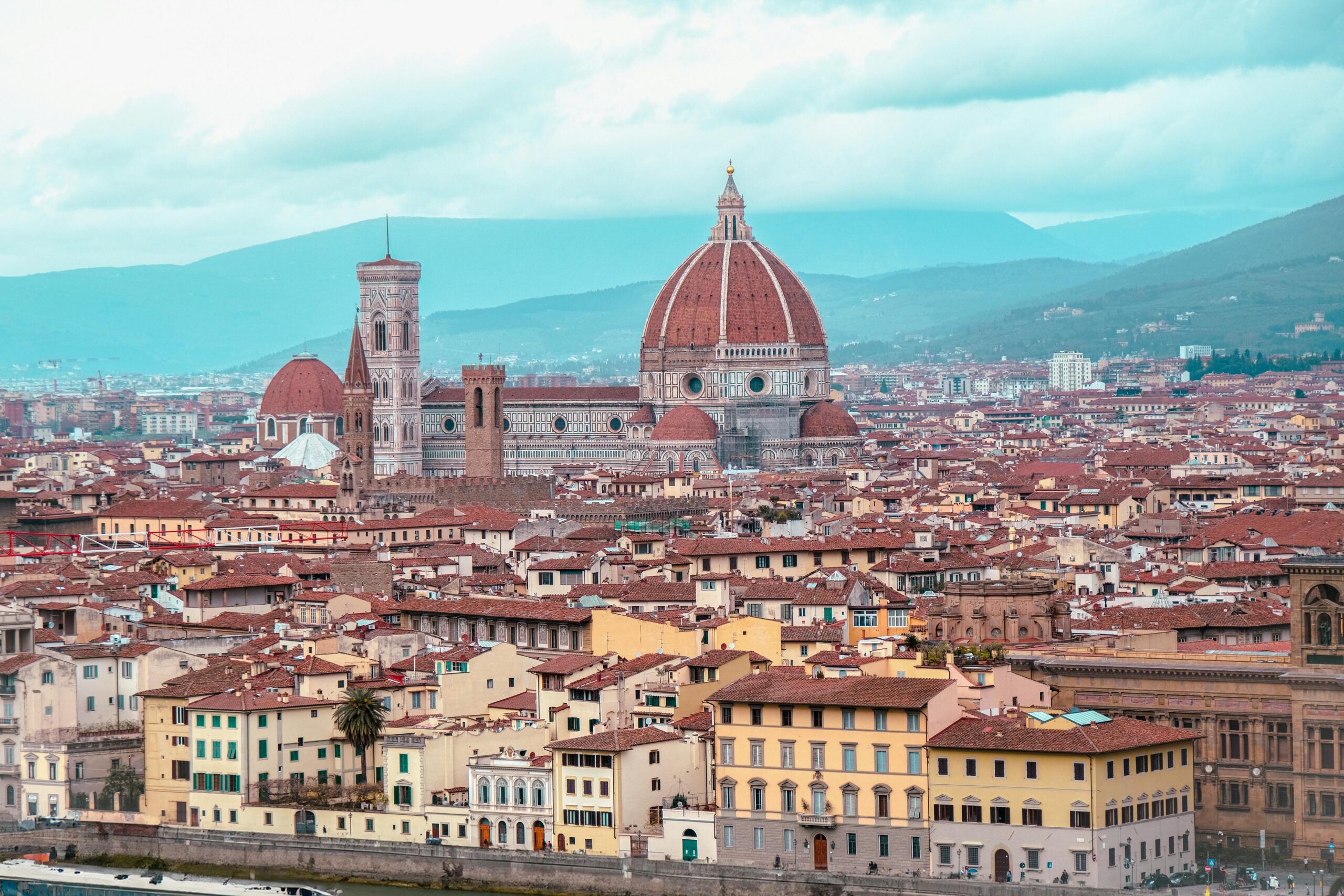
Florence’s pressure points are no longer limited to the Duomo, Uffizi, Ponte Vecchio, and Santa Croce. In 2025, the city recorded over 4.7 million arrivals and 11.5 million overnight stays, while registered tourist rentals reached 16,906 and supplied about 56% of local bed capacity. By May 2026, Florence was preparing to extend short-rental limits across roughly 16 square kilometers, a clear sign that visitor pressure has moved past the postcard center. These neighborhoods give travelers a better route: still reachable, still Florentine, but rooted in markets, schools, parks, bakeries, tram stops, and daily routines rather than crowded landmark circuits.
Le Cure
Le Cure sits north of the historic center, close enough to reach on foot yet far enough to feel like working Florence rather than visitor Florence. Piazza delle Cure is the anchor: a morning market runs Monday to Saturday, usually until early afternoon, with produce, fish, household goods, and residents doing regular shopping rather than staging photo stops. The area is also useful for travelers who like food without performance. Badiani, founded in 1932, remains one of the better-known local gelato names, while small bakeries, bars, and trattorie serve the neighborhood crowd. The underpass near Viale Don Minzoni adds another layer, covered with changing street art that turns a commuter route into an informal outdoor gallery.
San Jacopino
San Jacopino rarely appears on Florence must-see lists because it has no famous museum headline, which is exactly why it works. It sits northwest of Santa Maria Novella, near the T2 tram corridor toward the airport, making it practical for travelers who want easier movement without staying in the tourist core. Around Via Doni and the surrounding streets, the “natural shopping district” is more useful than scenic: pharmacies, cafés, grocers, bakeries, and neighborhood services fill the blocks. The area is best for slow mornings, affordable meals, and seeing how Florence functions outside Renaissance tourism. It also makes sense for longer stays because tram access keeps the center close while giving evenings a quieter base.
Gavinana
Gavinana lies southeast of the center, across the Arno, with a residential rhythm that feels very different from Santo Spirito or San Frediano. Its biggest traveler advantage is space. Parco dell’Anconella runs along the left bank of the Arno and gives families, walkers, runners, and anyone tired of museum crowds a proper green break. Feel Florence notes that the park includes wide lawns, children’s areas, the Florentine aqueduct, and even a 1:5 scale model of Brunelleschi’s Dome built using historic construction principles. Gavinana also has markets, local restaurants, and regular bus links, making it better for repeat visitors, families, or travelers staying more than two nights.
Rifredi
Rifredi is not pretty in the postcard sense, but it is one of Florence’s most useful overlooked districts. North of the center, it connects visitors to the Careggi hospital area, university life, tram services, and a more everyday housing mix. The Via Jervis neighborhood market runs Monday to Saturday, 8:00 a.m. to 2:00 p.m., with stalls for food, clothing, and household items. That makes it a better morning stop than crowded central markets for travelers who want regular Florentine life. The area also has access to larger cultural sites nearby, including villas, gardens, and the Stibbert Museum. Stay here for value, transport, and a less curated version of the city.
Settignano
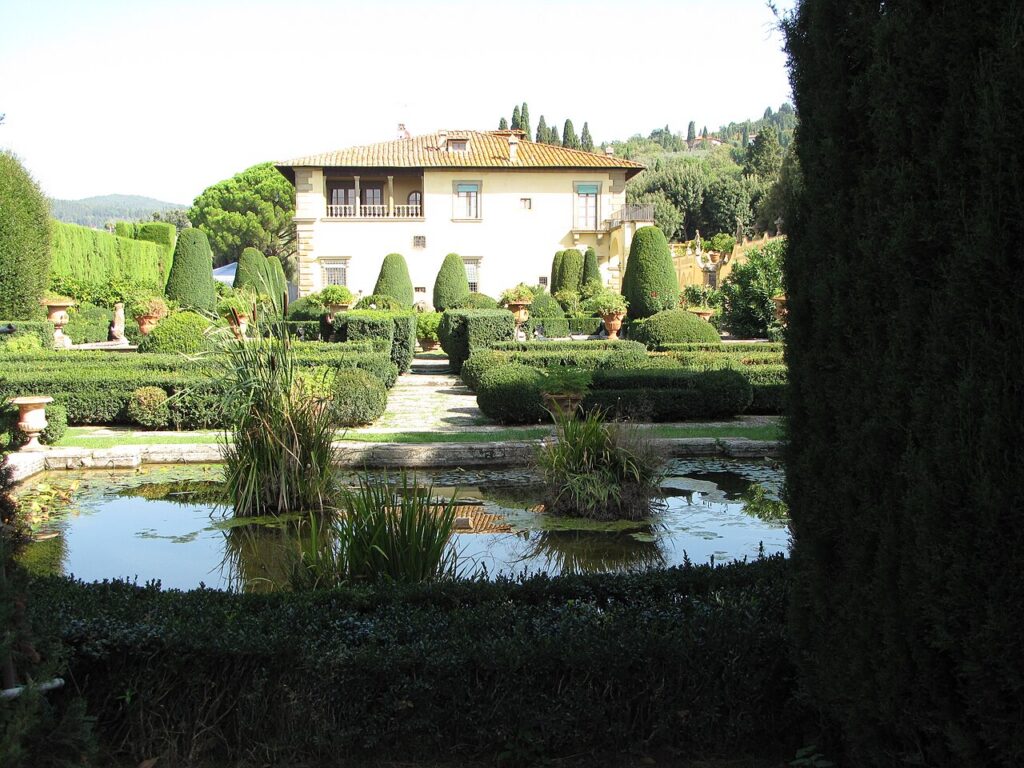
Settignano feels like a hill village folded into Florence’s edge rather than a city neighborhood. It sits northeast of the center and works best for travelers who want stone lanes, views, and slower movement without renting a car. Bus connections make it reachable, and Villa Gamberaia is the major reason to go: a historic villa garden above Florence, usually reached by bus followed by a short walk. The area is linked with sculptors, quarries, and old hillside craft traditions, giving it a different texture than the Renaissance-heavy center. Settignano is not a place for checking off sights quickly. It suits late afternoon walks, garden visits, and a quieter meal before returning downhill.
Coverciano
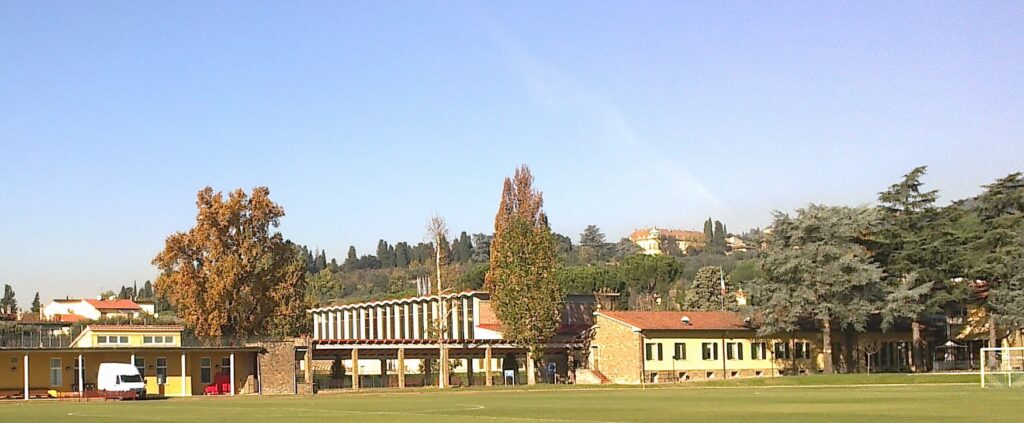
Coverciano is hidden in a very specific way: most art-focused travelers ignore it, while football fans may consider it one of Florence’s most interesting detours. The district is home to the FIGC technical center and the Museo del Calcio, the official museum dedicated to Italy’s national football history. Visit Tuscany notes that the museum opened in 2000 and holds memorabilia, shirts, balls, trophies, banners, and objects tied to the Azzurri. The neighborhood itself is calm and residential, with bus access rather than landmark crowds. It is a smart choice for travelers who want a Florence stop that has nothing to do with Botticelli, Medici palaces, or cathedral queues.
Campo di Marte
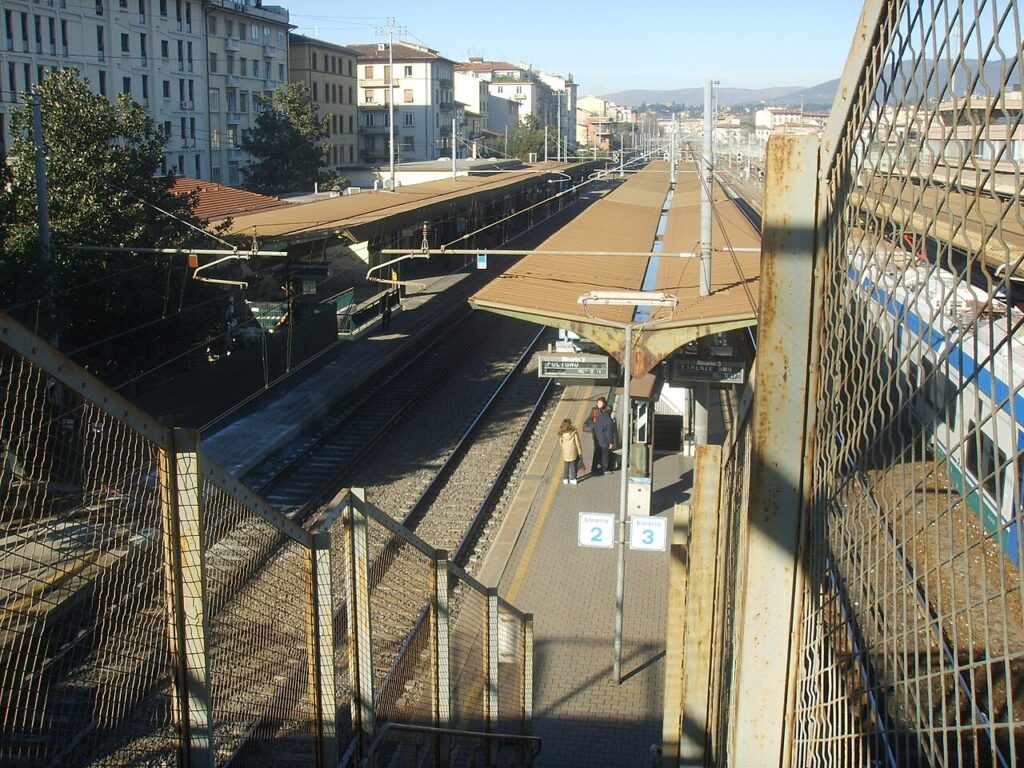
Campo di Marte is often treated only as a train station or stadium area, but that makes it useful for travelers who want Florence with fewer hotel-zone habits. East of the center, it has good transport links, green spaces, schools, apartment blocks, cafés, and the Artemio Franchi stadium nearby. It works well for visitors arriving by regional train or planning day trips, since the station avoids some Santa Maria Novella congestion. Around Viale Fanti, the area has local shopping and food options tied to residents rather than museum traffic. Campo di Marte is not romantic in the obvious way, but it gives travelers a practical base with fast access to the center and a normal local pace.
Beccaria
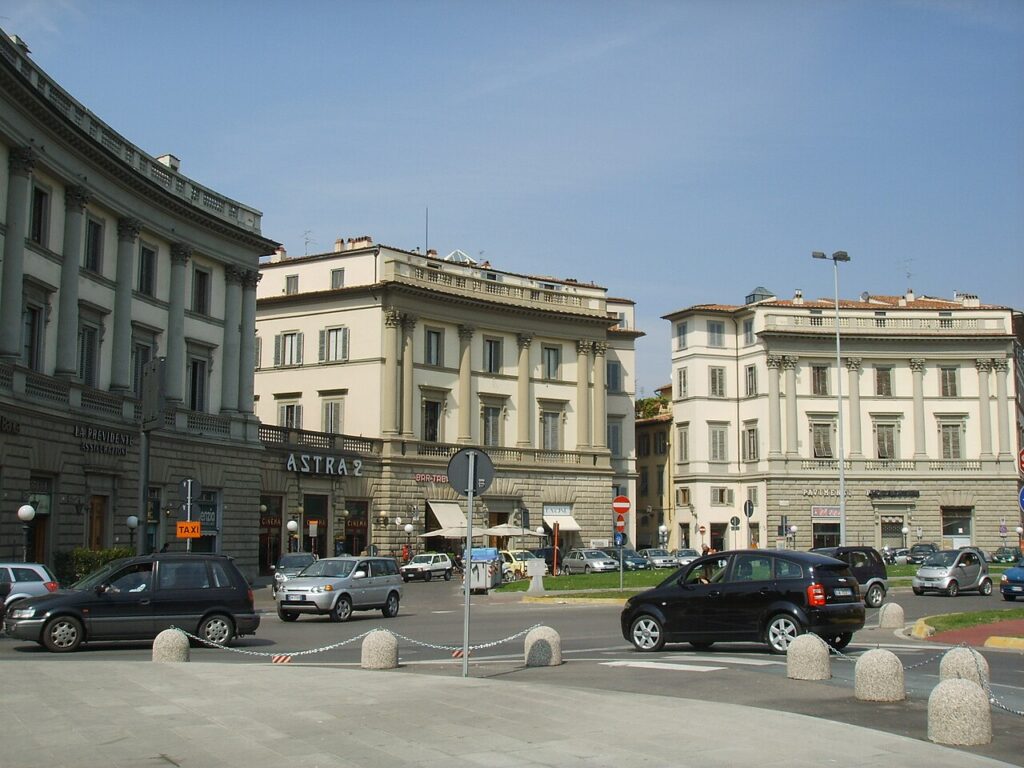
Beccaria sits just east of the historic center, past Porta alla Croce, and it is one of the easiest “hidden” areas to add to a Florence walk. Piazza Beccaria itself is not especially beautiful, but Via Gioberti gives the area its value. Locals know it as “Via delle Centovetrine,” the street of a hundred shop windows, with bakeries, cafés, small boutiques, wine shops, food stores, and everyday businesses. This is a good neighborhood for travelers who want food shopping, coffee, and street-level browsing without the souvenir density near the Duomo. It also pairs well with Sant’Ambrogio, but feels less packaged and more useful for repeat visitors.
48-Hour City Guides
Ready to Go? Grab Your Guide.
Hour-by-hour itineraries built for independent travelers.
London, Paris, Vienna, Prague, Amsterdam and more — $7.99 each.
