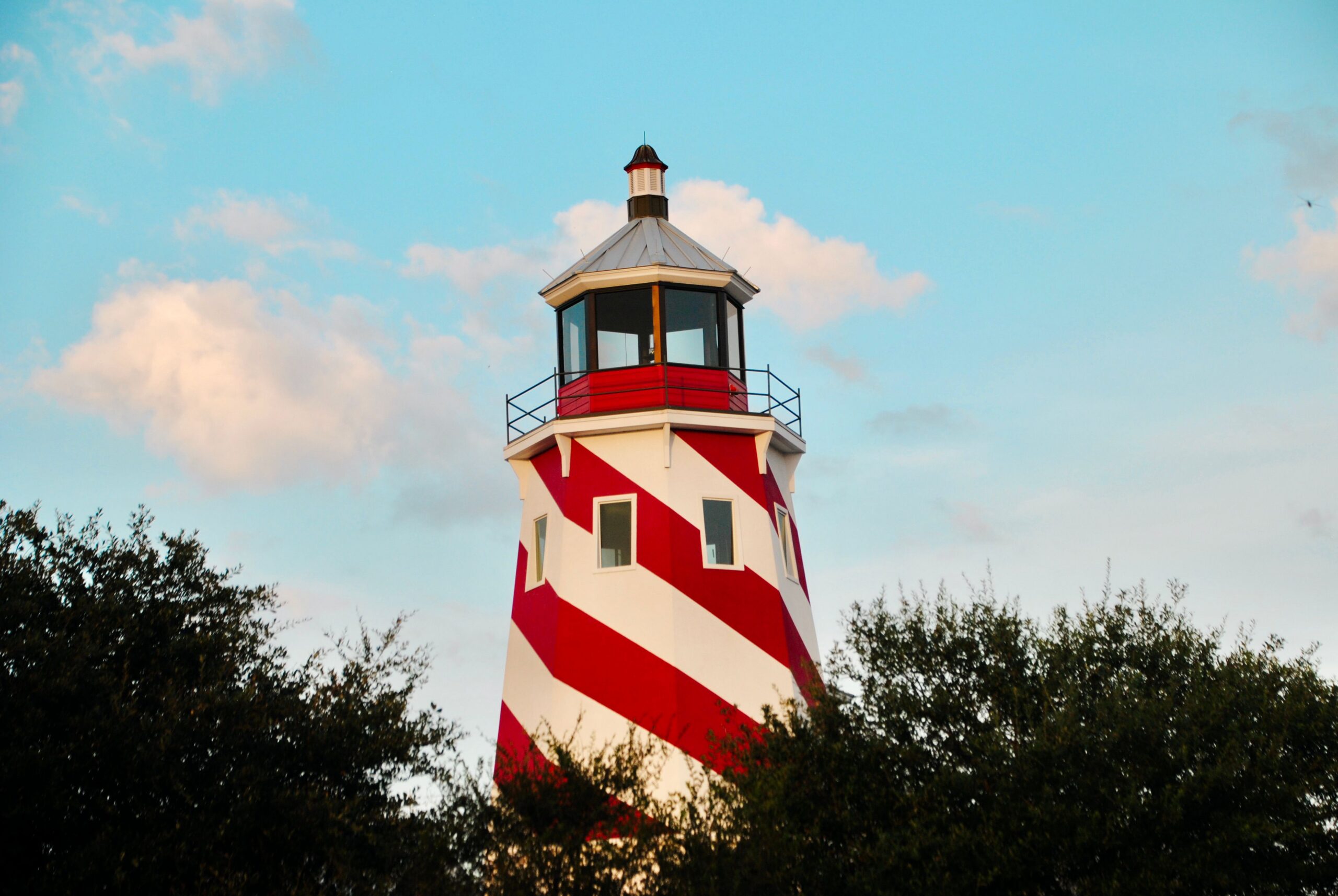
Sunlight bakes the ancient limestone walls of 18th-century Spanish missions, while a lush, cypress-shaded river path winds quietly twenty feet below the bustling city streets. This contrast defines the city. It constantly balances a profound, multi-layered colonial history with a celebratory, modern Mexican-American culture. For a solo traveler, this deep friction offers an incredible landscape to explore alone. A group is entirely unnecessary when wandering through quiet stone plazas. Independent travelers can absorb a community that values heritage and family memory far above modern corporate trends entirely at a personal pace.
The History of San Antonio: How It Became What It Is
The Indigenous Gathering Ground
San Antonio began as an oasis in the semi-arid South Texas brush country. For thousands of years, indigenous Payaya people gathered along the banks of a spring-fed river, calling the area Yanaguana. In 1691, an expedition of Spanish explorers and Franciscan friars arrived on the feast day of Saint Anthony of Padua, renaming the river and the site. They recognized the strategic value of the fertile valley as a critical midway point between Spanish Mexico and remote East Texas outposts. This convergence of cultures sparked a massive colonial building era. It laid the permanent foundations for a unique, deeply spiritual frontier community.
The Battleground of Republics
By the early 19th century, the fortified mission complex known as the Alamo became a violent hinge point for North American history. San Antonio acted as the blood-soaked capital of a revolutionary frontier territory. In 1836, Texian rebels clashed fiercely with the Mexican army beneath the chapel walls. This brutal siege ended in a devastating defeat that quickly galvanized the entire independence movement. The battle permanently transformed a quiet colonial outpost into a legendary global symbol of political defiance. This turbulent era forced a young city to continuously rebuild itself under multiple national flags, cementing a complex, deeply resilient identity.
The Confluence of Cultures
The late 19th and 20th centuries brought immense cattle trails, military bases, and railroad networks into the historic center. San Antonio became the true crossroads of the American West, drawing German merchants, Southern ranchers, and Mexican revolutionaries fleeing civil war. This massive mixing pot transformed the architecture, food, and music of the region. Instead of abandoning its deep colonial past for modern high-rises, the city deliberately chose to preserve its historic waterways and stone structures. Today, San Antonio continuously navigates the balance between its massive tourism economy and its authentic, working-class neighborhoods. This preservationist spirit gives the city its soulful, deeply rooted warmth.
What Makes San Antonio Distinct: Character, Culture & the Solo Experience
San Antonio operates with an exceptionally slow, deeply relational energy. Strangers exchange pleasantries along the river walks, in markets, and at bus stops with genuine warmth. The local culture prioritizes historical memory, outdoor festivals, and an unhurried daily pace. Very few people rush through their days in this part of Texas. This distinct lack of urgency creates an incredibly comforting environment for a solo traveler. Navigating the neighborhoods happens with complete ease, allowing an independent visitor to blend into the scenery effortlessly.
The social fabric centers heavily around public art markets and regional culinary traditions. Unlike other major Texas cities where status or corporate networking dominates nightlife, San Antonio’s best experiences remain anchored in community spaces. Walking into a traditional mercado alone allows for a quick order of fresh flour tortillas and slow-cooked barbacoa. The extensive river trails and historic Plazas act as vibrant public living rooms. They allow solo travelers to sit comfortably alongside local families, mariachi musicians, and neighborhood historians. Everyone shares the beautiful, historic surroundings naturally.
Places That Tell San Antonio’s Story
The Mission San José. This massive, beautifully restored colonial compound features an intricately carved stone window and soaring limestone walls. Exploring the grounds reveals the immense scale of the Spanish missionary project, proving how European forces completely reshaped indigenous life on the Texas frontier.
The San Antonio River Walk. Winding below street level, this beautifully landscaped stone walkway keeps the city cool and pedestrian-focused. It shows a brilliant masterclass in early urban design, proving that San Antonio valued its natural river ecosystem over concrete vehicle roadways.
The Historic Market Square (El Mercado). This vibrant, multi-block shopping district stands as the largest Mexican market in the United States. It anchors the city’s deep cultural heart, showing visitors that San Antonio remains deeply connected to its northern Mexican roots through food, music, and art.
La Villita Historic Arts Village. This quiet cluster of restored adobe and limestone houses represents one of the city’s earliest residential neighborhoods. It showcases the architectural evolution of the early frontier, reminding visitors that San Antonio built its international reputation on small-scale artisan craft, simple materials, and community survival.
Why San Antonio Rewards the Solo Traveler
San Antonio rewards the solo traveler because it values deep historical contemplation over fast-paced group tours. The physical layout of the city encourages slow, thoughtful exploration. Walking the quiet, northern reaches of the river trail allows for complete creative isolation. Movement happens entirely at a personal pace. Stopping to view historic Spanish aqueducts or observing the flight of monarch butterflies through the riverside parks requires no group consensus. There is never a need to coordinate complex schedules with anyone else.
Furthermore, the city’s open-air plazas and casual food stalls accommodate solo patrons perfectly. Like the communal spaces found in traditional trading towns, San Antonio’s market stalls and patio cafes break down social barriers. Locals and market vendors strike up conversations with solo travelers within minutes. Moving between historic missions, artisan workshops, and public parks feels completely natural. Traveling alone allows for a perfect match with the city’s soulful, historic rhythm. A solo explorer can pivot from a quiet afternoon of historical reflection to a festive outdoor market celebration in a single heartbeat.
48 HOURS IN SAN ANTONIO — THE GUIDE
Ready to turn this cultural blueprint into a seamless, unforgettable Texas adventure? Our comprehensive guide maps out an exact, hour-by-hour strategy to help you navigate San Antonio like a seasoned local. It features curated colonial trail routes, hidden culinary gems, and exact logistics for the independent explorer.
Get the 48 Hours in San Antonio guide → $7.99
Browse all 48-Hour Guides at GoingSolo.Life/guides/
Ready to Go?
San Antonio is ready to welcome you with historic charm, rich flavors, and unforgettable cultural landscapes. Pack your walking shoes, embrace the unhurried spirit, and prepare to discover a city that celebrates the independent path. Browse all the 48-Hour Guides at GoingSolo.Life/guides/ — our expanding collection of solo-focused cities is ready to fuel your next journey.
48-Hour City Guides
Ready to Go? Grab Your Guide.
Hour-by-hour itineraries built for independent travelers.
London, Paris, Vienna, Prague, Amsterdam and more — $7.99 each.
