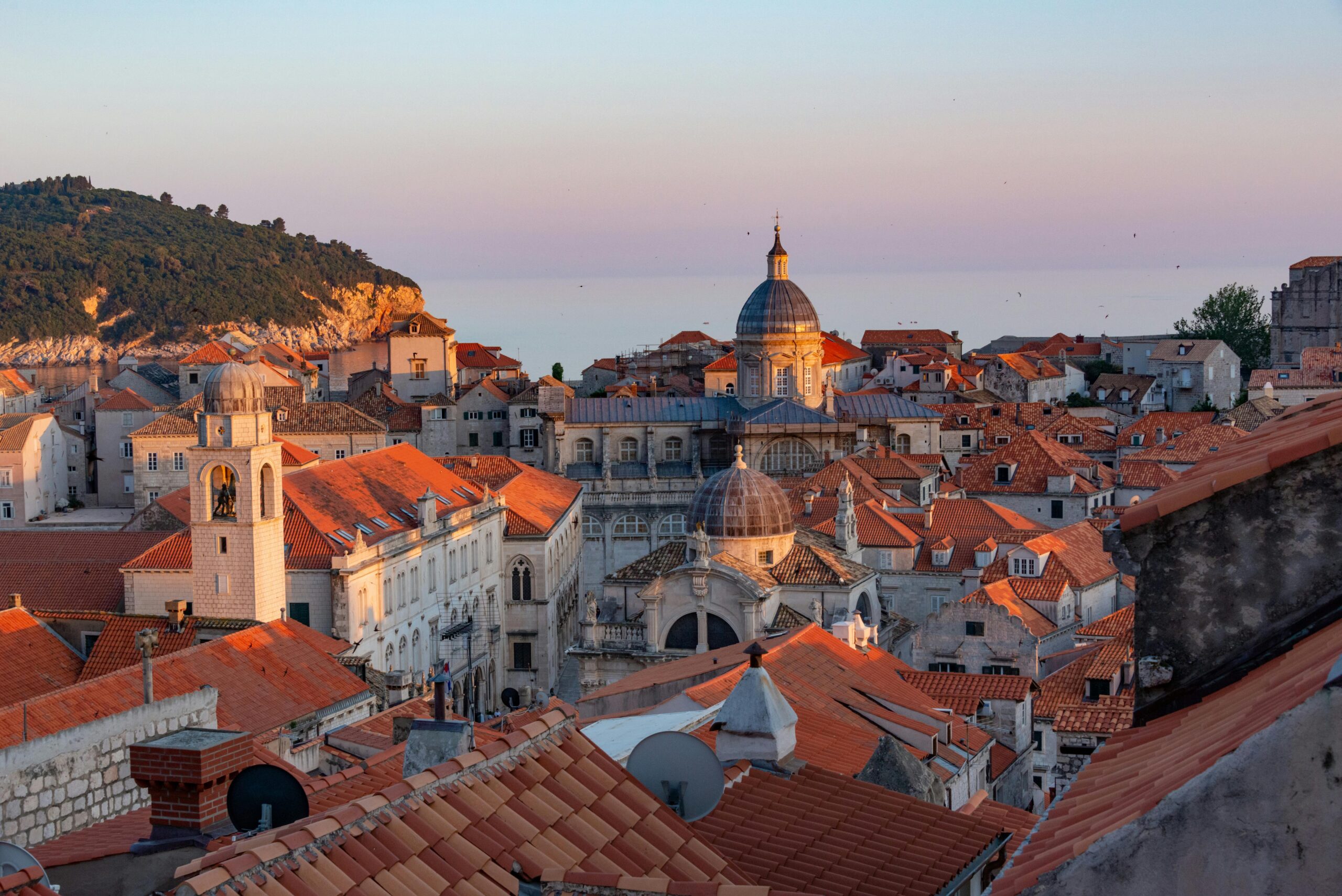
Few destinations suffer from their own beauty quite like Dubrovnik. For the past decade, this small Croatian stronghold on the Adriatic Sea has been the poster child for overtourism. During the peak summer months, the polished limestone of its main street, the Stradun, disappears beneath a sea of cruise ship passengers, tour groups following raised umbrellas, and pop-culture pilgrims hunting for filming locations. It is loud, hot, expensive, and congested.
Yet, despite the crowds, Dubrovnik remains unmissable. It is no mere tourist trap; what it offers is entirely real, historically peerless, and visually spectacular. The key to experiencing its magic lies in changing how and when you visit. With a little strategy, it becomes clear why this walled citadel still captures the global imagination.
The Architectural Triumph of the Republic
To see why Dubrovnik is worth the trip, look past the souvenir shops to the Old Town itself. This is no theme park; it is one of the world’s best-preserved medieval walled cities. For centuries, the maritime Republic of Ragusa rivaled Venice in wealth and diplomacy. Stonemasons raised these walls between the 12th and 17th centuries, and the structures survived both massive earthquakes and modern warfare.
Nearly two kilometers long and up to 25 meters high, the ramparts stand as an engineering marvel. Walking the full circuit reveals a stunning mix of terracotta roofs, hidden courtyards, baroque domes, and the deep blue Adriatic. Builders designed every gate and fort to protect a fiercely independent community. Lovrijenac Fort still bears their core belief, carved directly into the stone: Non bene pro toto libertas venditur auro (Liberty is not sold for all the gold in the world).
The Contrast of Stone and Sea
Beyond the historical gravity, Dubrovnik possesses a dramatic geography that few Mediterranean cities can match. The Old Town is pinned tightly between a limestone mountain range and a sheer drop into deep water. This creates an intense visual contrast that hits you the moment you pass through Pile Gate.
The interior of the city is a labyrinth of steep stone staircases that shoot upward toward the hillsides, where locals still hang laundry across narrow alleys. At the base lies the Stradun, a wide, sun-bleached promenade polished to a mirror-like sheen by millions of footsteps. The city’s unique limestone absorbs and reflects light in a way that shifts throughout the day: a bright, blinding white at noon, a warm ochre at dusk, and a ghostly, glowing silver under the streetlights at midnight.
If the stone feels suffocating during the heat of the afternoon, the sea offers instant relief. Unlike many historic European ports where the water is working or polluted, the Adriatic surrounding Dubrovnik is pristine. You can walk out of a 16th-century maritime gate, climb down a flight of rocks, and immediately dive into crystal-clear turquoise water.
Tactical Navigation: How to Beat the Congestion
The secret to loving Dubrovnik is recognizing that the crowds follow a rigid schedule. Between 9:00 AM and 4:00 PM, day-trippers and cruise passengers flood the core. If you match their rhythm, your trip will likely be defined by frustration. To discover the real city, you must build your itinerary around its absence.
-
Own the Mornings: The city walls open early. Being the first on the ramparts means you can walk the medieval fortifications in near-total silence, watching the sun rise over the sea without shuffling behind a tour group.
-
The Afternoon Retreat: When the Stradun fills up, leave it behind. Take a 10-minute water taxi to Lokrum Island, a forested nature reserve covered in pine trees, botanical gardens, and wild peacocks. Alternatively, catch a local bus down the coast to Cavtat, a tranquil fishing village where you can enjoy a quiet seaside lunch.
-
The Midnight Magic: Dubrovnik truly shines after 9:00 PM. The day-trippers vanish, the air cools, and the local architecture takes center stage. Walking through the quiet squares, listening to a distant street musician, and hearing your own footsteps echo on the stone is an experience that justifies every midday crowd.
Dubrovnik is crowded because it is a masterpiece. The sheer physical presence of its stone walls, its deep historical roots, and its dramatic collision with the sea make it a place that cannot be replicated. It demands a bit of patience and a smart itinerary, but once you watch the sunset from the top of the ramparts, you will know exactly why it is worth the effort.
Are you ready to bring your Dubrovnik adventure? Perhaps plan to travel south by way of Venice? Our travel guides will help.
48-Hour City Guides
Ready to Go? Grab Your Guide.
Hour-by-hour itineraries built for independent travelers.
London, Paris, Vienna, Prague, Amsterdam and more — $7.99 each.
