
Travel was never designed for one. Pricing across hotels, cruises, and guided tours is still built around double occupancy, an old industry standard that quietly penalizes solo travelers. On many cruises, for example, a single guest can pay up to 200% of the per-person fare, simply to cover a cabin meant for two. Hotels often follow a similar logic, even when you’re using the same space alone. The result? A built-in “solo tax” that adds up fast. However, there’s one thing for you to know: that system isn’t fixed. Once you understand how it works, you can start working around it.
Hotels: The “Room for Two” Trap
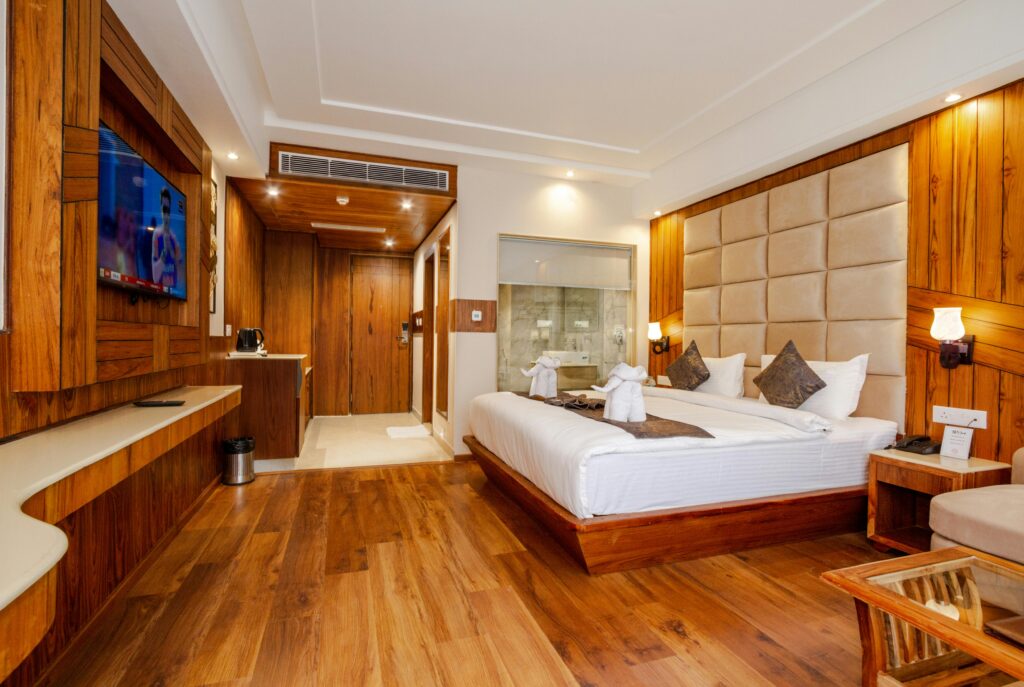
Hotels are sneaky because they usually don’t slap a big “single supplement” label on your booking. They simply price the room as a room. That sounds fair until you remember that most standard hotel rooms are built and sold around double occupancy. So, if a room costs $220 a night, two friends or a couple can mentally split that into $110 each. A solo traveler? You’re holding the whole bill alone. That’s how the hotel version of the single supplement works: not always as an added fee, but as a math problem that punishes one-person travel.
How do you actually beat this? First, stop booking standard double rooms by default. That’s the biggest mistake. When you search with two guests, platforms often push those rooms. Switch to “1 adult,” and you’ll start seeing smaller or single-use room categories that can be significantly cheaper.
At the same time, it pays to lean into business hotels and weekday pricing patterns. These properties are built for solo travelers (corporate guests), and rates often drop on weekends when business demand disappears. That’s one of the few times hotel pricing actually favors solo travelers.
In many destinations, especially across Europe and Japan, you’ll also find true single rooms or compact rooms. These are not just smaller. They’re priced specifically for one guest, which removes the double-occupancy bias entirely.
Finally, timing plays a bigger role than most people realize. Hotel pricing moves constantly with occupancy, and when properties need to fill rooms, the focus shifts from maximizing per-room revenue to simply avoiding empty inventory, giving solo travelers a much better shot at finding rates that don’t feel like they’re paying for someone who never showed up.
Cruises: The 200% Problem (And How to Outsmart It)
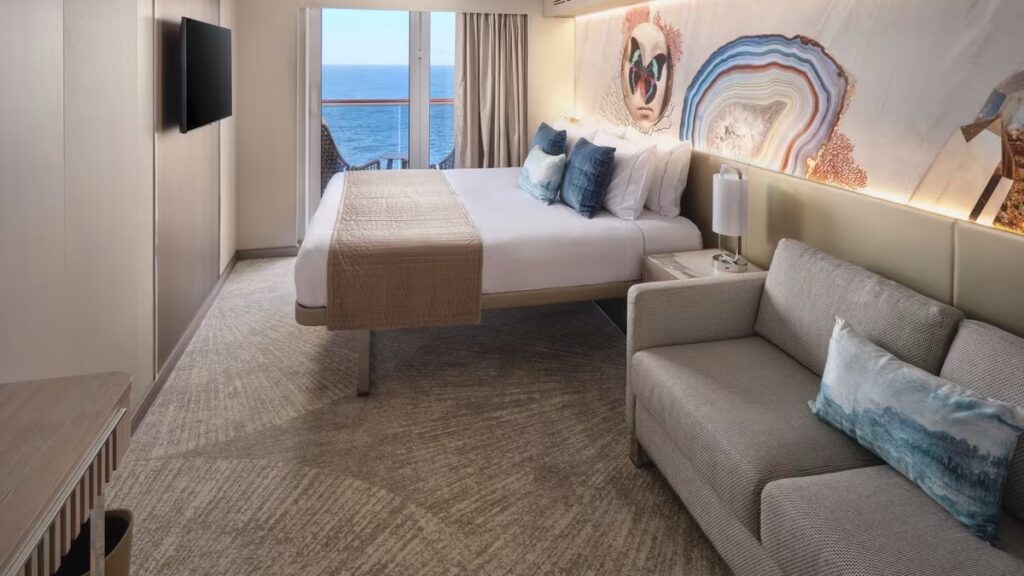
If hotels quietly build the cost into the room, cruises do the opposite: they show it to your face. Most cruise fares are priced per person, based on double occupancy, which means the advertised price assumes two people sharing a cabin. When you book alone, cruise lines often charge a single supplement of 100%, meaning you pay nearly double the fare just to occupy that same cabin. In some cases, especially on luxury lines or peak sailings, it can reach close to 200% of the per-person rate. The reason is simple: cabins are the ship’s core revenue unit, and cruise lines would rather fill them with two paying guests than one, since onboard spending (drinks, excursions, dining) also scales with passenger count.
The solution? Start by targeting ships that actually break the model. Some cruise lines offer dedicated solo cabins: smaller staterooms designed for one traveler and priced without a single supplement. Lines like Norwegian Cruise Line were among the first to introduce these “studio” cabins, and others have followed with limited solo inventory. These rooms remove the double-occupancy pricing issue entirely, but availability is often very limited.
Timing also plays a major role. Cruise lines frequently run reduced or waived single supplement promotions, particularly on sailings that are slower to fill. Industry travel platforms and cruise agencies consistently report discounts bringing supplements down from the typical 100% to lower levels, especially during shoulder seasons or on less in-demand itineraries.
Know this secret
Additionally, look at repositioning cruises: one-way sailings when ships relocate between regions. Because these itineraries are harder to sell, they’re often priced more competitively overall, and solo travelers can sometimes find better value compared to standard round-trip cruises.
Working with a cruise specialist or agent can open up additional options. Many agencies have access to group allocations or promotional inventory that isn’t always visible on public booking engines, sometimes including reduced supplements or added onboard credits.
After all, cruise pricing is driven heavily by occupancy. When a sailing isn’t filling as expected, cruise lines adjust pricing and promotions to avoid empty cabins, creating opportunities for solo travelers willing to stay flexible.
Group Tours: The “Single Supplement Fee” Isn’t Always Fixed

Group tours tend to be more upfront about it. They’ll list a single supplement as a fixed fee, often added on top of the base price. This usually covers the cost of having a private room that would otherwise be shared. Depending on the operator and destination, that supplement can add hundreds to over a thousand dollars to the total trip cost, which is why solo travelers often assume it’s non-negotiable. But in reality, there’s more flexibility here than most people realize.
The first angle is room sharing. Many tour companies offer to match solo travelers of the same gender to avoid the supplement entirely, though availability depends on demand. At the same time, it’s worth actively searching for “no single supplement” departures. These are specific dates where operators waive the fee to fill spots, something commonly promoted across major group travel companies.
Another smart move is choosing companies that build solo pricing into their model from the start, meaning the advertised price already reflects single occupancy without penalties. And perhaps the most overlooked tactic: reach out directly. Tour operators sometimes have flexibility, especially if a departure isn’t filling as expected, and may reduce or waive the supplement to secure a booking.
Rentals & Airbnb: Where Solo Travelers Finally Win
This is one part of travel where the whole “single supplement” idea basically disappears. Platforms like Airbnb price per property, not per person, which means whether one guest stays or four, the base rate doesn’t change. Unlike hotels or cruises, there’s no built-in assumption that costs should be split between two people, so there’s no hidden penalty for traveling alone. You’re paying for the space, period.
That said, how you book still matters. Studios, guesthouses, and smaller units tend to offer the best value for solo travelers, since you’re not overpaying for unused space. Staying longer can also shift the math in your favor. Many hosts offer weekly or monthly discounts, sometimes reducing the nightly rate by 10–30%. Looking slightly outside the city center can unlock even better pricing, especially in high-demand destinations where central locations carry a premium.
Flights: No Supplement, But Still a Solo Tax
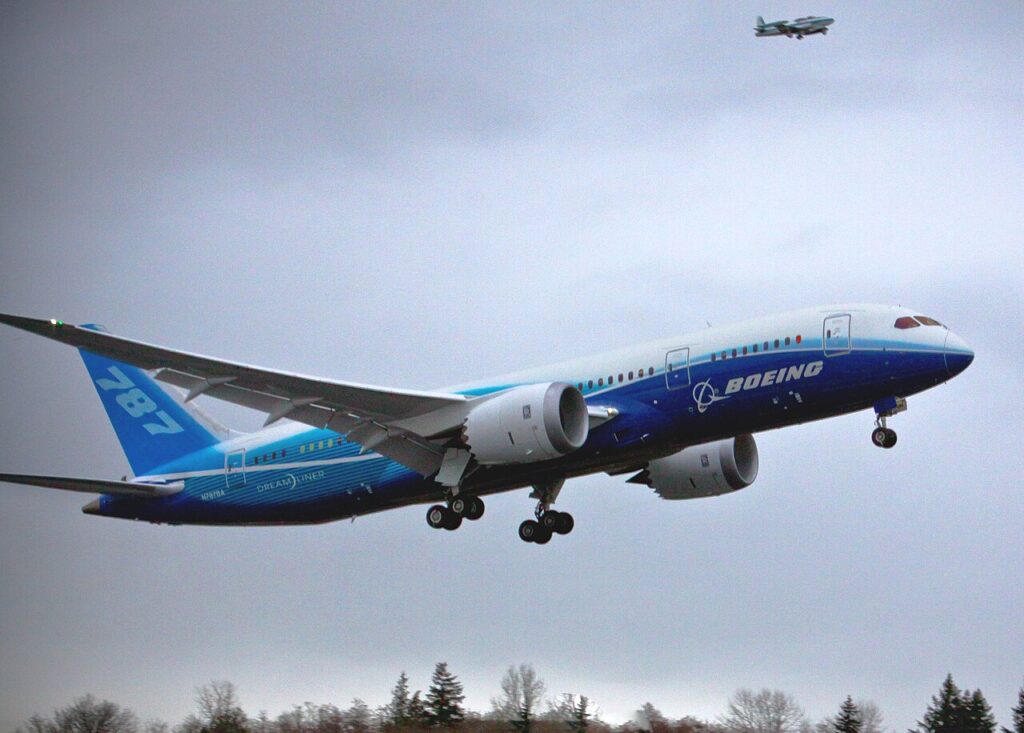
Flights are the one place where the single supplement technically doesn’t exist. Airlines price seats per person, not per cabin or room. But that doesn’t mean solo travelers get off easy. The “solo tax” here is more subtle: you lose the ability to split costs and optimize bookings as a pair or group. Couples can coordinate fares, share luggage, or even book across different price tiers to average down costs. Solo travelers don’t have that flexibility. You’re locked into whatever fare you pick.
The way to stay ahead is all about timing and flexibility. Using tools like Google Flights or Hopper to set price alerts can help you track drops instead of guessing. Booking within the so-called “Goldilocks window,” typically a few weeks to a few months before departure depending on the route, can also make a noticeable difference compared to booking too early or too late. Flexibility with dates, and even nearby airports, often unlocks cheaper fares that aren’t visible in rigid searches.
48-Hour City Guides
Ready to Go? Grab Your Guide.
Hour-by-hour itineraries built for independent travelers.
London, Paris, Vienna, Prague, Amsterdam and more — $7.99 each.
