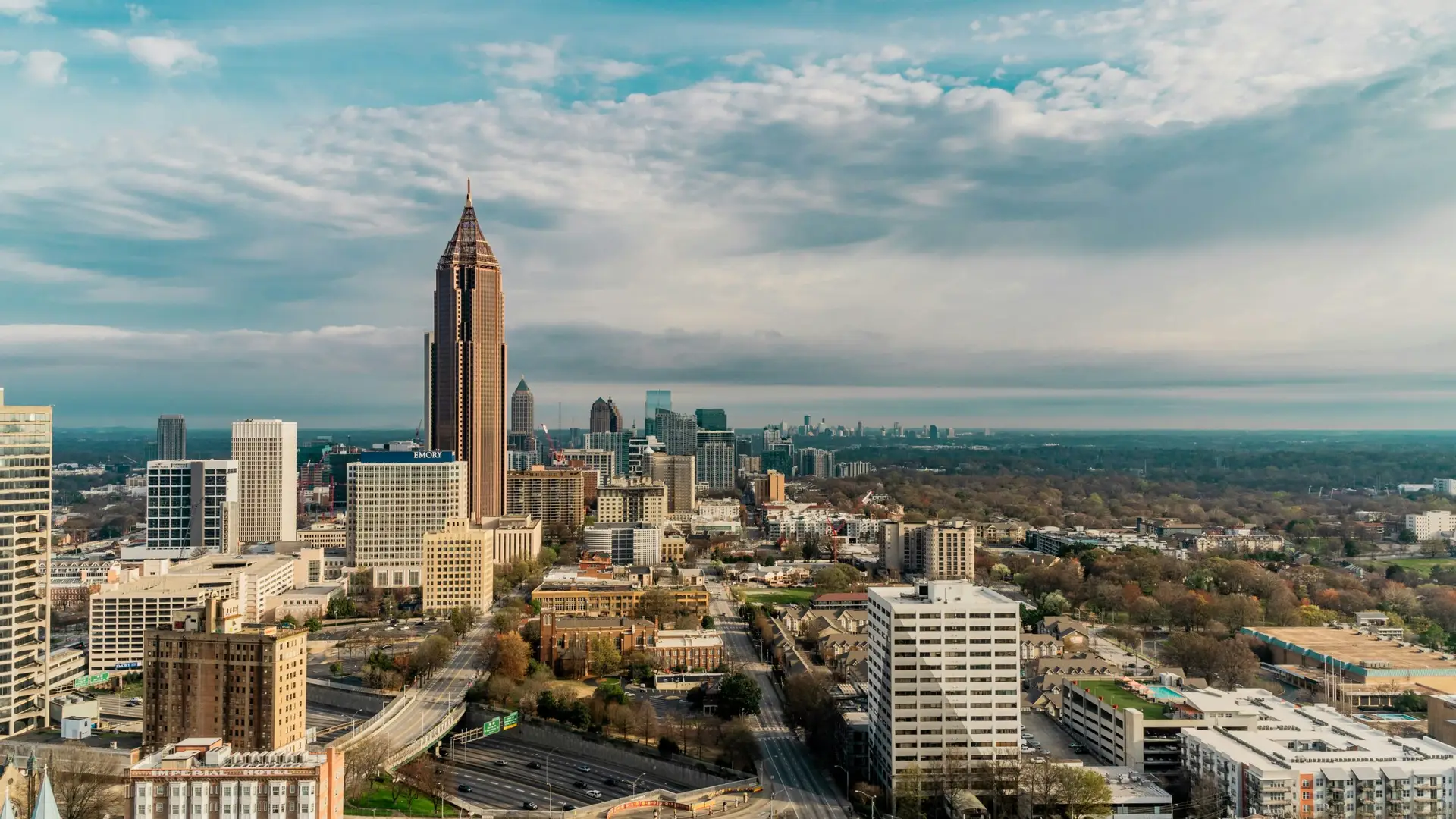
Atlanta is a city that’s spent most of its existence rebuilding itself; sometimes by choice, sometimes by force. Fires, war, rapid growth, Olympic ambition, suburban sprawl, Black entrepreneurship, music, film, civil rights history—all of it layered together into a city that doesn’t feel static for too long. For the solo traveler, that constant evolution creates something unusually rewarding because there’s no single “correct” way to experience it.
Some older American cities reveal themselves immediately, but Atlanta unfolds neighborhood by neighborhood. The version you find depends heavily on how willing you are to slow down and absorb the atmosphere around you.
The History of Atlanta: How It Became What It Is

Atlanta wasn’t founded because people were drawn there by a coastline, a major river, or dramatic scenery. The city exists because railroads needed a central meeting point. That practical beginning still explains a surprising amount about Atlanta today, as the city has long prioritized movement, commerce, and expansion more than preserving the past exactly as it was.
The Railroad City
Atlanta began in the 1830s as a railroad terminus called “Terminus,” which is about as functional a name as a city can have. The rail lines turned the settlement into a commercial hub for the Southeast remarkably quickly, but they also made it strategically important during the Civil War. In 1864, Union General William Tecumseh Sherman captured and burned much of the city during his March to the Sea campaign. Atlanta’s destruction became part of its mythology almost immediately, and so did the phrase the city adopted afterward: “resurgens,” Latin for rising again. The city’s habit of rebuilding itself didn’t begin in the modern era; it actually began in ashes.
The Capital of the New South
By the late 19th and early 20th centuries, Atlanta positioned itself as the business capital of the “New South,” a term local leaders used to market the city as economically ambitious and forward-looking after the devastation of the Civil War. That push brought banks, industry, universities, and eventually major corporations.
At the same time, Atlanta became one of the most important centers of Black education and Black entrepreneurship in the United States. Institutions like Morehouse College, Spelman College, and Clark Atlanta University helped shape generations of political and cultural leadership. The city’s role in the Civil Rights Movement grew directly from this infrastructure of education, activism, and Black professional life that had already existed for decades.
The Modern Atlanta
Atlanta’s modern transformation accelerated after the 1996 Summer Olympics, when the city used the event to introduce itself globally as a major American destination rather than simply a regional capital. The decades that followed brought explosive population growth, a booming film industry, and a music scene that reshaped global culture through hip-hop. Atlanta became simultaneously more international and increasingly spread out.
You had: wealth and inequality that expanded side by side, luxury towers that rose near historically Black neighborhoods fighting to maintain their history and community ties, and film studios that appeared alongside decades-old soul food institutions. A lot of modern Atlanta feels shaped by that push and pull between constant development and the effort to keep neighborhoods from losing the history and culture that made them matter in the first place.
What Makes Atlanta Distinct: Character, Culture & the Solo Experience
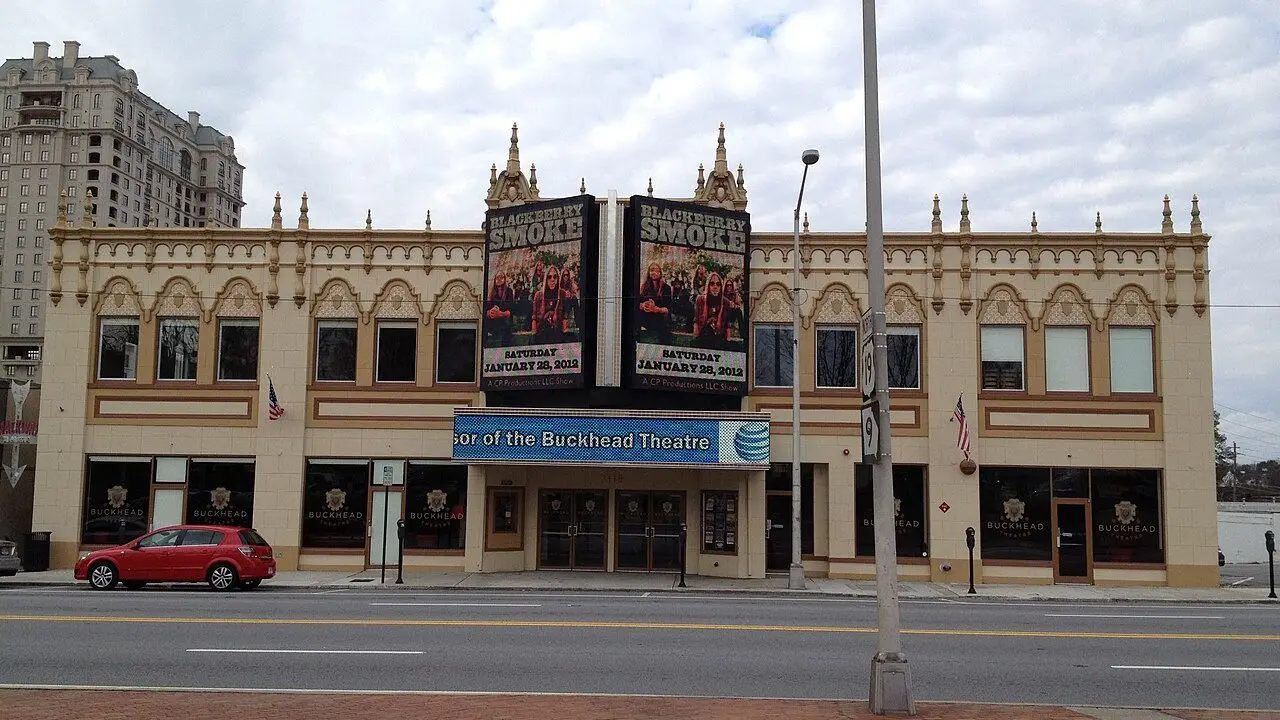
Atlanta moves differently from most major American cities because the pace isn’t frantic in the New York sense, but it also doesn’t have that sleepy Southern charm packaged for tourists. The city runs on ambition, and people go there to build careers, launch businesses, create art, and carve out new opportunities. That energy shapes everything from the restaurant scene to the conversations you overhear in coffee shops.
For solo travelers, Atlanta can initially feel fragmented because the city isn’t organized around one singular historic center. You really understand Atlanta through neighborhoods like Midtown, Old Fourth Ward, Inman Park, West End, Virginia Highland, Buckhead, and Little Five Points. Each one carries its own rhythm and social atmosphere, and once you understand that, Atlanta starts making more sense.
It’s also one of the few American cities where contemporary Black culture operates as one of its defining forces rather than simply part of the background. The food, music, politics, entrepreneurship, and cultural influence radiating outward from Atlanta have shaped American life for decades. Solo travelers willing to engage with that history rather than treating the city as just another Southern destination will leave with a much deeper understanding of what modern Atlanta represents.
Places That Tell Atlanta’s Story
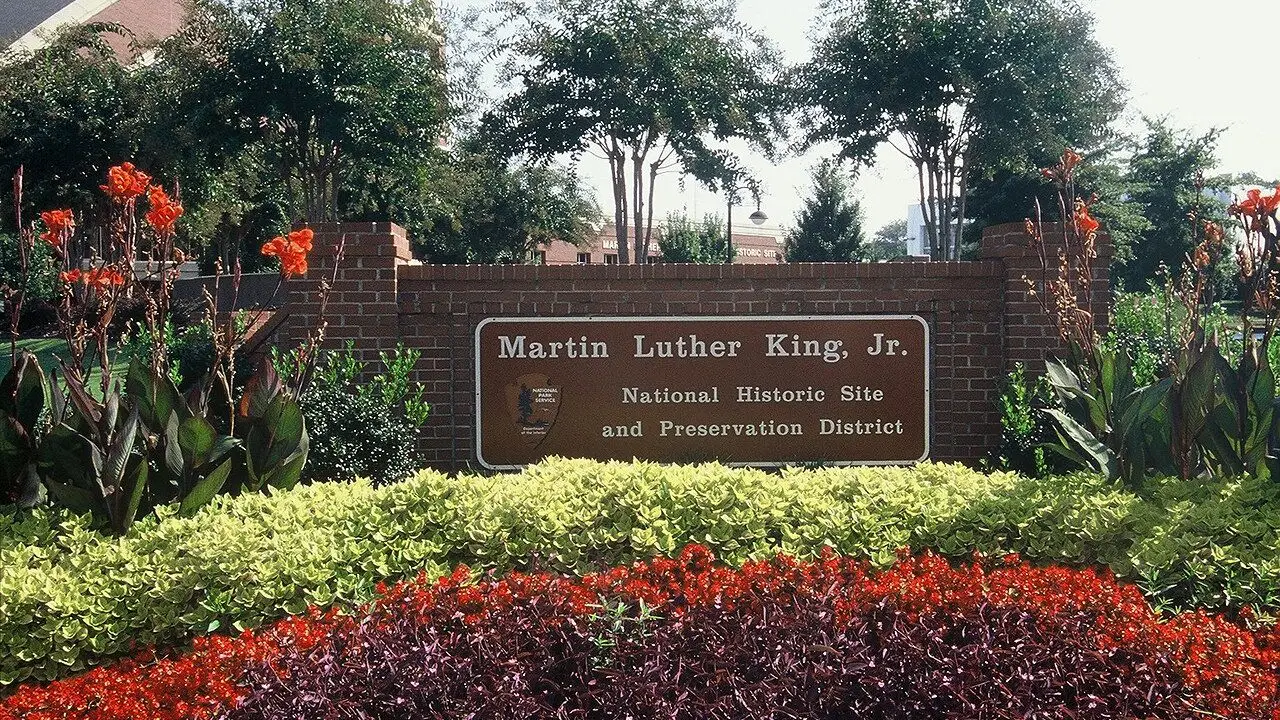
The Martin Luther King Jr. National Historical Park
The Martin Luther King Jr. National Historical Park is a must-visit. The area surrounding Auburn Avenue preserves King’s birth home and church, as well as the wider ecosystem of Black Atlanta that helped shape the Civil Rights Movement. Walking the neighborhood makes it clear that the movement came from communities, institutions, and people living ordinary lives under extraordinary pressure.
The Fox Theatre
The Fox Theatre originally opened in 1929 as a lavish movie palace, and it reflects Atlanta’s long-standing desire to present itself as culturally ambitious alongside its commercial success. The interior feels intentionally excessive, which serves as a reminder that Atlanta has always appreciated spectacle.
Ponce City Market
Ponce City Market is housed inside a massive former Sears distribution center, and the building reflects Atlanta’s tendency to repurpose older infrastructure instead of simply demolishing it. Industrial space became a food hall, office complex, apartments, and social gathering spot without completely stripping away the building’s original character.
Oakland Cemetery
More than a cemetery, Oakland is effectively a timeline of Atlanta’s history. Confederate soldiers, Civil Rights figures, business leaders, and ordinary residents all occupy the same landscape, making the city’s complicated history visible in a surprisingly direct way.
The BeltLine
The BeltLine was built along former railway corridors, transforming abandoned infrastructure into one of the city’s defining public spaces. The project says a great deal about modern Atlanta: social, uneven, community driven in some sections, aggressively commercial in others, but undeniably influential in how people experience the city today.
Little Five Points
Long before Atlanta became globally associated with luxury development and corporate growth, neighborhoods like Little Five Points cultivated the city’s alternative culture. Independent shops, music venues, murals, and bars still preserve a version of Atlanta that resists becoming overly polished.
Why Atlanta Rewards the Solo Traveler

Harrison Keely, CC BY 4.0, via Wikimedia Commons
Atlanta rewards curiosity more than rushing from landmark to landmark. It’s the kind of place that becomes more interesting once you spend time moving between neighborhoods, hanging out at local gathering spots or parks, and noticing how much history still exists underneath all the new development.
There’s also a surprising ease to exploring Atlanta alone. The café culture, BeltLine crowds, food halls, breweries, parks, and neighborhood bars create plenty of spaces where being solo feels completely normal. The city doesn’t really demand that you “do” Atlanta a certain way, which makes it easier to settle into your own rhythm while you’re there.
That’s part of why the city sticks with people. Atlanta feels less like a place you check off a list and more like a place you slowly get to know over time.
48 HOURS IN ATLANTA — THE GUIDE
The 48 Hours in Atlanta guide gives you the exact neighborhood order, BeltLine game plan, restaurant picks, coffee stops, transportation tips, and hour-by-hour itinerary needed to experience the city without wasting time or missing the parts that actually make Atlanta feel unique. It’s built for solo travelers who want more than tourist highlights and would rather understand how the city actually moves day to day.
Get the 48 Hours in Atlanta guide → $7.99
Browse all 48-Hour Guides at GoingSolo.Life/guides/
Ready to Go?
Atlanta tends to grow on people over time. The more neighborhoods you explore and the more time you spend in the city, the more layers you start to notice.
48-Hour City Guides
Ready to Go? Grab Your Guide.
Hour-by-hour itineraries built for independent travelers.
London, Paris, Vienna, Prague, Amsterdam and more — $7.99 each.