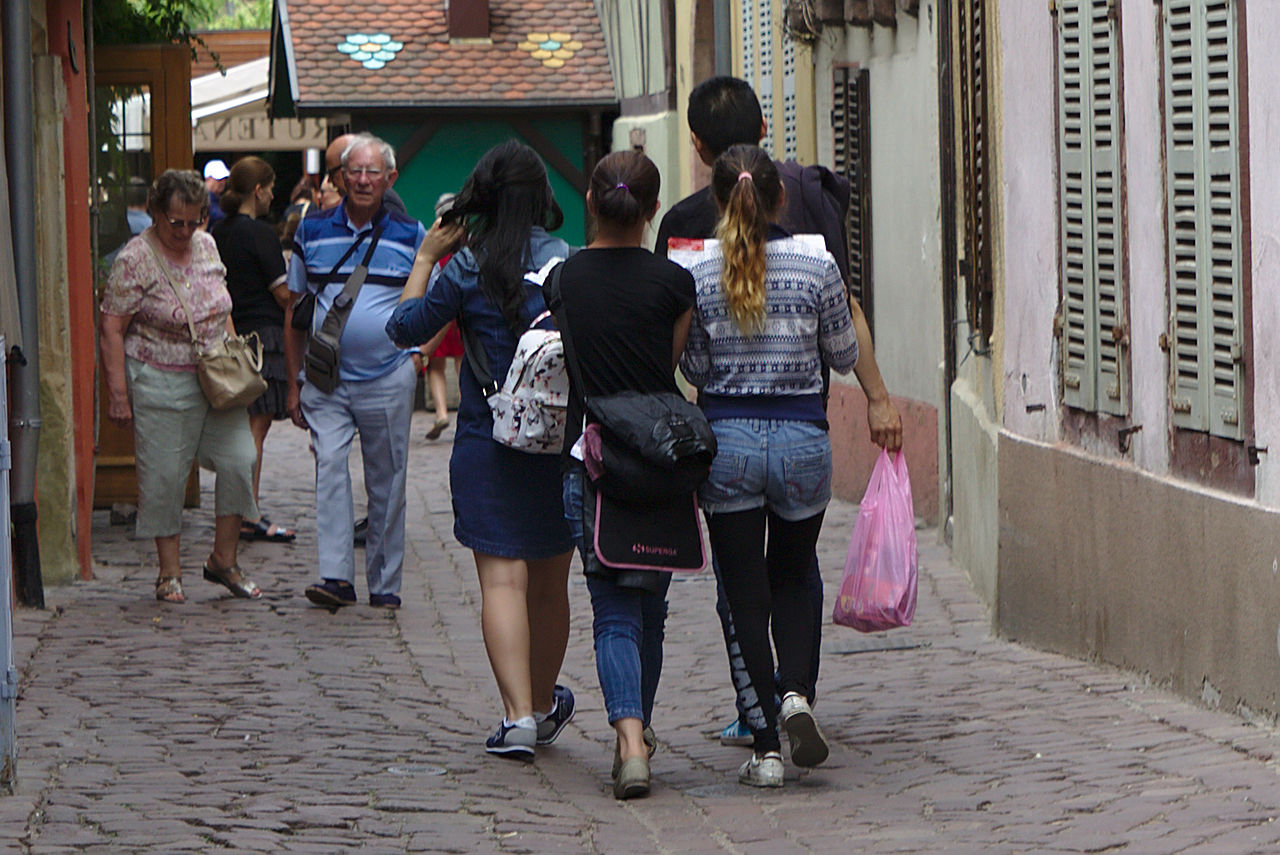
Europe is not a place where most travelers should fear violence; the real risk is losing a phone, passport, wallet, or bag in the few minutes when a city feels easiest. Official guidance for France, Spain, Italy, and the Netherlands puts everyday visitor risk around pickpocketing, distraction theft, transport hubs, restaurants, ATMs, and fake police approaches. A 2024 Quotezone analysis of traveler reviews ranked Italy, France, Spain, Germany, and the Netherlands among the worst European destinations for pickpocketing mentions per million visitors, especially around iconic attractions and stations.
Understand Where Theft Actually Happens
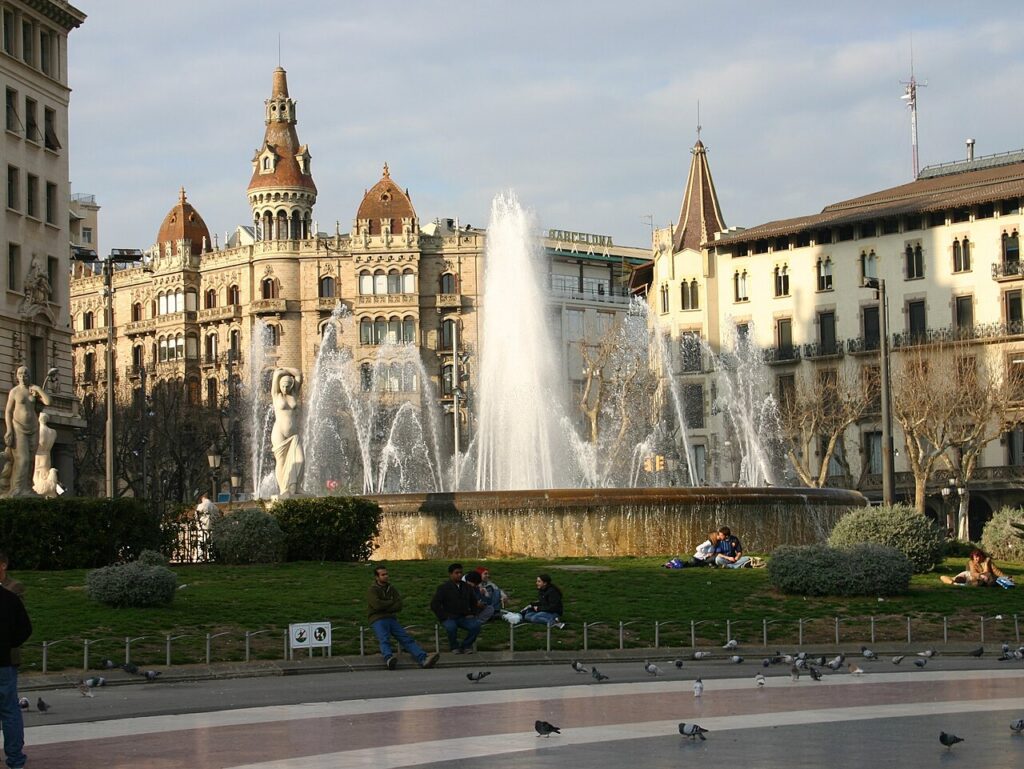
The first rule is to understand where theft actually happens. It is rarely some dark alley from a movie. It is the metro platform when everyone is pushing toward the doors, the train from the airport, the ticket machine, the restaurant terrace, the hotel lobby, or the square where everyone stops for the same photo. Rome’s Trevi Fountain, Paris’s Eiffel Tower area, Barcelona’s Las Ramblas, Amsterdam’s Red Light District, and Berlin’s Brandenburg Gate have all appeared in pickpocketing hotspot research because they combine crowds, distraction, and visible tourists. That is the pattern: thieves do not need danger; they need density, confusion, and people whose attention is elsewhere.
Never Keep Everything in One Place
Do not keep your passport, bank cards, phone, and cash in one place. That single mistake turns a theft into a crisis. Keep your passport either locked at the hotel or separated from your main wallet when you must carry it. Carry one payment card for the day, leave a backup card elsewhere, and keep a digital copy of your passport in secure cloud storage. Spain’s official travel advice says visitors should avoid carrying all valuables together and keep a passport copy somewhere safe. This matters because a stolen passport can derail flights, hotels, car rentals, and emergency identification. Losing money is bad; losing every document at once is worse.
Stay Alert on Public Transportation
Public transport needs a different level of attention. Paris guidance specifically warns that thieves operate on the Métro, RER lines, and mainline stations. Dutch guidance warns about gangs on trains and trams between Schiphol Airport and Amsterdam Central Station. These are not random warnings; airport routes are perfect because travelers are tired, overloaded, and checking maps. Keep your bag in front of you before the train arrives, not after it becomes crowded. Never place your phone in a back pocket. Avoid standing directly beside doors with your phone exposed, because quick-grab theft is easiest when the thief can step off as doors close.
Learn to Recognize Distraction Scams
The classic distraction theft still works because it feels harmless. Someone asks for directions, drops coins, spills something, pushes a petition toward you, tries to tie a bracelet on your wrist, or creates a small argument near you. While your brain locks onto the strange thing happening in front of you, someone else works your pocket, bag, or luggage handle. Official guidance for France and Spain both warns that thieves use distraction techniques and often work in teams. The defense is simple but strict: when a stranger interrupts you in a crowded tourist zone, one hand goes to your valuables before your attention goes to the stranger.
Protect Your Belongings in Restaurants and Cafés
Restaurants and cafés are another easy place to lose a bag. The most dangerous chair is the one behind you. A phone on a table beside an outdoor terrace can disappear in seconds, especially when someone places a map, menu, leaflet, or jacket over it. Dutch travel guidance specifically warns that thieves may enter restaurants pretending to sell something or look for someone, then steal bags while people are distracted. Keep your bag between your feet with a strap looped around your leg, or place it on your lap. Do not hang a jacket with valuables over a chair. Comfort makes people careless; thieves count on that.
Watch Out for Fake Police Officers
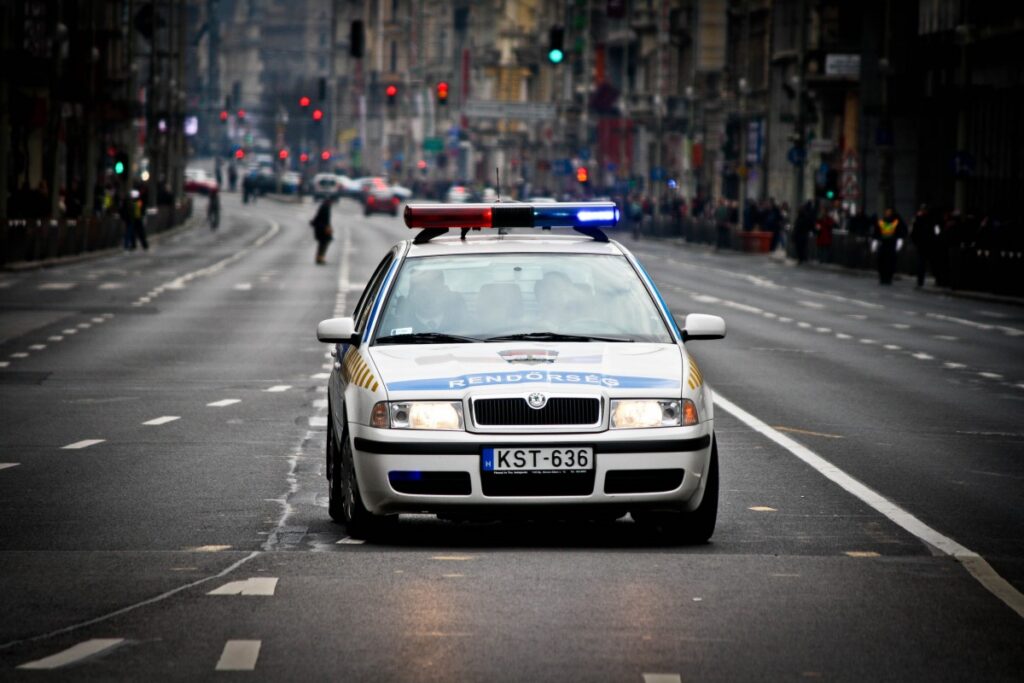
Fake police scams deserve special attention because they exploit fear and obedience. Spain’s travel advice warns that thieves posing as police officers may ask to see your wallet, claiming it is for identification. Dutch guidance also warns about fake police in Amsterdam asking tourists to hand over cash or credit cards during supposed counterfeit-money checks. Real officers may ask for identification, but they should not need your wallet, PIN, cash, or cards. Ask to go to a police station, keep your wallet in your hand, and do not let anyone inspect your money in the street. A uniform, badge, or confident tone is not enough proof.
Use ATMs with Extra Caution
ATMs are another weak point, especially near nightlife zones, transport hubs, and major squares. Avoid standalone machines in exposed tourist streets when possible. Use ATMs inside banks during opening hours, shield your PIN, and do not accept help from anyone nearby. Before inserting your card, check whether the card slot looks loose or bulky. The risk is not only physical theft; travel scams increasingly include card skimming, fake booking pages, and digital fraud. Keep banking alerts switched on, use contactless limits wisely, and freeze cards immediately if anything looks wrong. The best travel wallet is not only hidden; it is monitored.
Be More Careful During Nights Out

Nightlife changes the risk equation. Pickpockets love crowds, but thieves also love drunk, lost, separated, or exhausted travelers. France and Spain both warn visitors to watch drinks, avoid splitting from friends, and stay alert to drink spiking risks. Even when the issue is not violent crime, alcohol makes every theft easier: you check your phone less carefully, forget where your bag is, accept help from strangers, or walk home through unfamiliar streets with your wallet and phone visible. Save your accommodation location offline before going out. Carry only what you need for the night. The less you bring, the less you can lose.
Treat Your Phone Like Your Most Valuable Possession
Your phone is usually the most valuable thing you carry, not because of the device itself but because of what it controls: banking, email, maps, tickets, hotel bookings, two-factor authentication, photos, and emergency contacts. Before traveling, turn on phone tracking, back up photos automatically, use a strong passcode, and know how to erase the device remotely. Do not unlock your phone while someone is crowding your shoulder. Do not leave it on café tables, ticket counters, bathroom sinks, or train seats. In Europe, a stolen phone can become a stolen day, then a stolen trip, especially if your whole itinerary lives inside it.
The Goal Is to Look Difficult to Target
Do not confuse confidence with safety. The goal is not to act wary; it is to stop looking easy. Walk like you know where you are going, step aside before checking maps, keep valuables zipped and close, and treat sudden crowding as a warning sign. Most people visit Europe without being robbed, but the people who get targeted usually make one predictable mistake at the wrong moment. Europe rewards relaxed travelers, but crowded European cities punish careless ones. The smartest approach is boring: separate valuables, secure your bag, ignore street approaches, watch transport hubs, and never let convenience override basic awareness.
48-Hour City Guides
Ready to Go? Grab Your Guide.
Hour-by-hour itineraries built for independent travelers.
London, Paris, Vienna, Prague, Amsterdam and more — $7.99 each.
