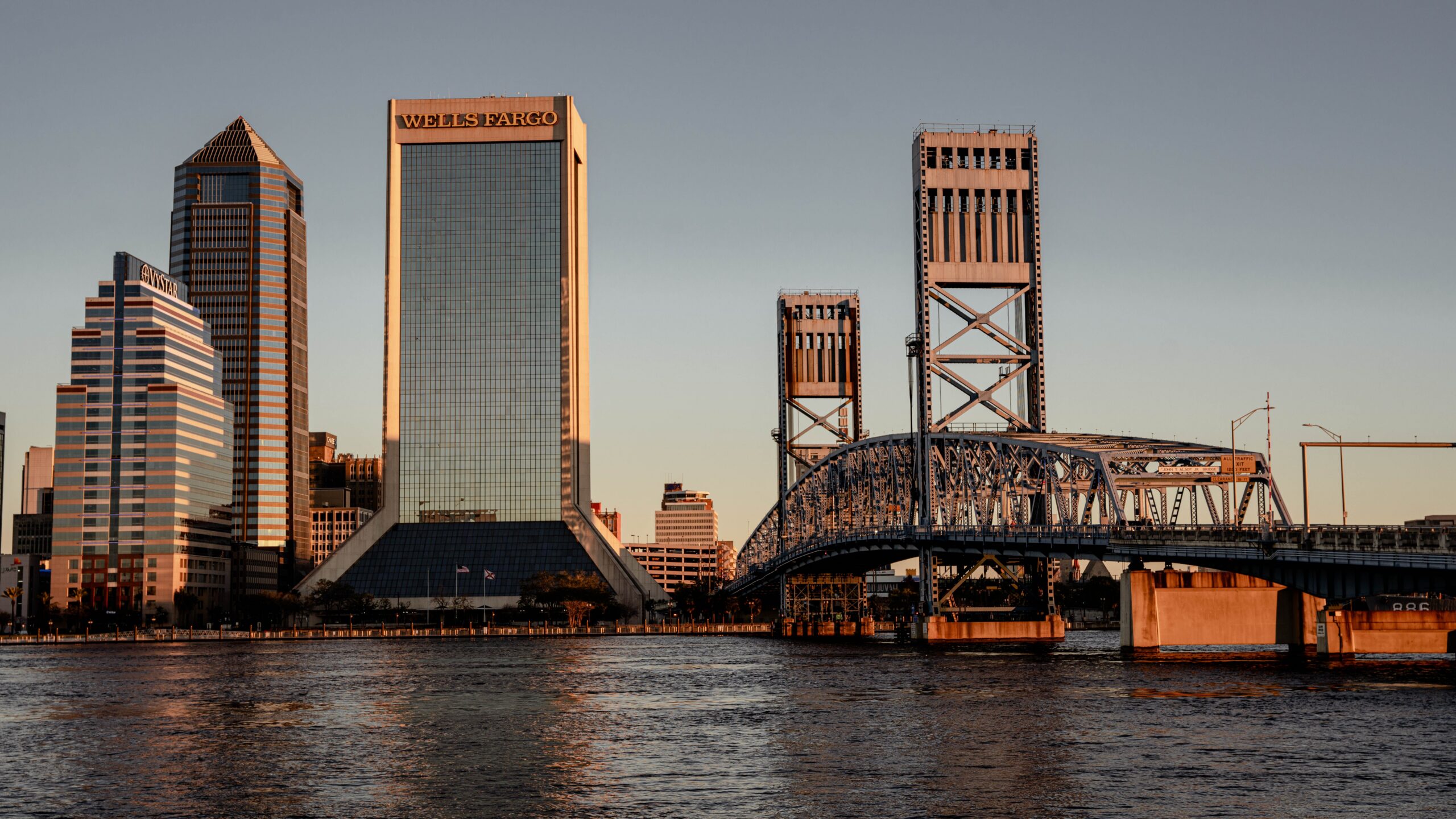
Atlantic surf crashes against the wide sand stretches of the beaches, while the massive St. Johns River cuts quietly through the glass-and-steel downtown skyline just a short drive inland. This contrast defines the city. It constantly balances its vast, wild coastal ecology with a gritty, deep-seated Southern industrial heritage. For a solo traveler, this immense geographic footprint offers an incredible landscape to explore alone. A group is entirely unnecessary when wandering past historic oak canopies. Independent travelers can absorb a community built on territorial clash, artistic experimentation, and maritime ambition entirely at a personal pace.
The History of Jacksonville: How It Became What It Is
The Timucua Crossing
Jacksonville began as a vital, deeply strategic river crossing known as Wacca Pilatka. For thousands of years, the indigenous Timucua people navigated the complex maze of saltwater marshes and maritime forests. They fished the rich waters and controlled the narrowest point of the St. Johns River. In the 16th century, European powers clashed brutally over this exact geography. French Huguenots built Fort Caroline nearby, only for Spanish forces to launch a swift, bloody raid from St. Augustine to seize total control. This early convergence of empires shattered indigenous life but permanently established the river as a contested gateway into North America.
The Winter Film Capital
The early 20th century transformed the city into an unexpected, avant-garde cultural powerhouse. Long before southern California dominated the entertainment industry, Jacksonville served as the winter film capital of the world. Over thirty silent movie studios built massive backlots in the historic neighborhood of Arlington. The city offered warm winter weather, cheap labor, and remarkably diverse locations ranging from tropical jungles to urban streets. Extravagant movie stars filled the local hotels, bringing a vibrant, progressive artistic energy to a traditional Southern port city. This cinematic golden age abruptly ended when conservative local politicians clashed with studio executives, driving the industry out west.
The Great Fire and Renewal
In 1901, a tiny spark in a mattress factory ignited the Great Fire of Jacksonville. The catastrophic blaze swept across the downtown core, destroying nearly ten thousand buildings in a single afternoon. Yet, the tragedy sparked an unprecedented, highly calculated architectural rebirth. Renowned architect Henry John Klutho rushed to the city, introducing radical Prairie School and Mid-Century designs to the rebuilding effort. This massive construction boom rapidly transformed a ruined Victorian town into a sleek, modern metropolis. Today, Jacksonville continuously navigates the tension between its rapid suburban sprawl and the preservation of these historic urban neighborhoods.
What Makes Jacksonville Distinct: Character, Culture & the Solo Experience
Jacksonville operates with a remarkably laid-back, unpretentious coastal energy. Locals interact warmly at fish camps, neighborhood breweries, and coffee counters without hesitation. The local culture heavily prioritizes outdoor sports, neighborhood independence, and a casual lifestyle. This complete lack of social pretense creates an exceptionally welcoming environment for a solo traveler. Navigating the unique public spaces happens with absolute ease, meaning an independent traveler never feels like an awkward outsider.
The social fabric centers deeply around distinct neighborhood pockets and casual outdoor dining. Unlike other major Florida destinations where nightlife requires exclusive group packages or club crawls, Jacksonville’s best experiences remain highly accessible. Walking into a neighborhood tavern alone allows for a quick order of fresh Mayport shrimp and local craft beer. The extensive state parks, fishing piers, and public boat ramps act as massive communal plazas. They allow solo travelers to sit comfortably alongside local surfers, musicians, and shrimp fishermen. Everyone shares the vast, watery landscape naturally.
Places That Tell Jacksonville’s Story
The Kingsley Plantation. Located on the quiet northern edge of Fort George Island, this historic site features a preserved planter’s house and rows of slave cabins built from tabby concrete. Exploring the grounds reveals the intense, complex history of early Florida agricultural life under Spanish and American rule.
The Riverside Avondale Neighborhood. This massive historic district features continuous streets of beautifully preserved Craftsman, Mediterranean Revival, and Prairie School homes. Walking beneath the ancient live oak trees shows the exact scale of the architectural boom that followed the Great Fire of 1901.
The Cummer Museum of Art & Gardens. This cultural institution sits directly on the banks of the St. Johns River, featuring historic English and Italian gardens planted beneath a 200-year-old oak tree. It anchors the city’s early twentieth-century artistic identity, proving that Jacksonville valued high culture alongside industrial shipping.
The Jacksonville Riverwalks. Extending along both the north and south banks of the St. Johns River, these continuous pedestrian paths connect major museums, downtown hotels, and public marinas. They act as the literal spine of the urban center, showing how the city relies on its massive waterway to unify a sprawling landscape.
Why Jacksonville Rewards the Solo Traveler
Jacksonville rewards the solo traveler because it celebrates an independent, exploratory path across a massive geography. The physical layout of the city encourages spontaneous wandering between urban hubs and wild coastlines. Renting a car or a beach cruiser to explore the protected wetlands of Big Talbot Island allows for total freedom. Movement happens entirely at a personal pace. Stopping to photograph the ghost-like fallen trees on Boneyard Beach or observing local wildlife requires no group consensus. There is never a need to coordinate complex schedules with anyone else.
Furthermore, the city’s casual coffee shops and historic public parks accommodate solo patrons perfectly. Like the vibrant standing cafe cultures found in historic trade towns, Jacksonville’s neighborhood spots break down social barriers. Baristas and local patrons treat solo travelers like neighborhood regulars within minutes. Moving between historic film sites, pristine beaches, and local art markets feels completely natural. Traveling alone allows for a perfect match with the city’s slow, river-driven rhythm. A solo explorer can pivot from a quiet morning of historical reflection to a peaceful sunset beach walk in a single heartbeat.
48 HOURS IN JACKSONVILLE — THE GUIDE
Ready to turn this cultural blueprint into a seamless, unforgettable Florida adventure? Our comprehensive guide maps out an exact, hour-by-hour strategy to help you navigate Jacksonville like a seasoned local. It features curated neighborhood walking routes, hidden eco-escapes, and exact logistics for the independent explorer.
Get the 48 Hours in Jacksonville guide → $7.99
Browse all 48-Hour Guides at GoingSolo.Life/guides/
Ready to Go?
Jacksonville is ready to welcome you with vast waterways, rich hidden history, and incredible coastal air. Pack your walking shoes, embrace the casual spirit, and prepare to discover a city that celebrates the independent path. Browse all the 48-Hour Guides at GoingSolo.Life/guides/ — our expanding collection of solo-focused cities is ready to fuel your next journey.
48-Hour City Guides
Ready to Go? Grab Your Guide.
Hour-by-hour itineraries built for independent travelers.
London, Paris, Vienna, Prague, Amsterdam and more — $7.99 each.
